How to choose a ceramide moisturizer
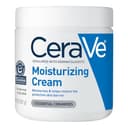
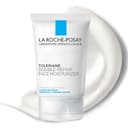
Start from your skin type and the rest of your routine, not the fanciest jar. If your skin is dry, a rich cream with three ceramides and a humectant like hyaluronic acid or glycerin gives you the most barrier repair per dollar. If your skin is oily or breakout-prone, a lightweight ceramide lotion sinks in without feeling greasy, so you’ll actually keep wearing it — the moisturizer you skip does nothing. If your skin is sensitive or reactive, prioritize a fragrance-free formula and, ideally, a pump over a jar so you’re not dipping fingers into the product. Two picks here fall outside the ceramide-first shortlist but are worth knowing: a plain fragrance-free minimalist cream (no added ceramides, chosen for what it leaves out) suits allergy-prone skin doing an elimination routine, and a hyaluronic-acid water gel is the featherweight option for very oily skin that finds any cream too much — our hyaluronic acid serums roundup covers that pure-hydration end of the shelf.
Why ceramides are the ingredient that matters
Your barrier is a brick-and-mortar wall: skin cells are the bricks, and a blend of ceramides, cholesterol and fatty acids is the mortar. Ceramides make up roughly half of that mortar, so when the barrier is compromised — by over-exfoliation, harsh cleansers, cold weather or age — topping ceramides back up helps skin hold water and calm down. That’s why a ceramide cream does more than a plain occlusive: it isn’t just sealing the surface, it’s replacing something the barrier is short on. The supporting ingredients matter too. Niacinamide helps skin make its own ceramides and eases redness; hyaluronic acid and glycerin pull in water for the ceramides to hold; colloidal oatmeal is a recognized skin protectant that calms itch. A good formula stacks a few of these, not just one.
Cream, lotion or gel — and jar versus pump
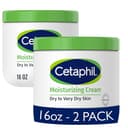
Texture is the decision most people get wrong. A thick cream in a tub is ideal for dry and very dry skin and for nighttime, but it can feel heavy on oily skin in summer; a thin lotion or gel-cream is the everyday pick for oily and combination skin and for daytime under sunscreen. Packaging is a quieter trade-off: a big tub is cheaper per milliliter and lasts for months, but it’s less sanitary than a pump, so scoop with clean hands. A pump or tube keeps a formula cleaner, which matters most for sensitive, breakout-prone skin. None of this changes how well the ceramides work — it changes whether you enjoy using the product enough to be consistent, which is the part that actually shows on your skin.
Where a moisturizer fits with your actives
Moisturizer goes on after your water-based treatments and serums, and at night it’s the step that seals a retinol, an acid or a hyaluronic acid layer in place. Pairing a ceramide cream with your stronger actives on purpose is the single best way to avoid the flaking and stinging that make people quit retinol — the barrier support buffers the irritation. In the morning, a lighter ceramide lotion sits comfortably under sunscreen. If you’re building a full lineup, our routine order guide shows exactly where the moisturizer step sits, and how to layer actives covers which treatments to keep on separate nights while your skin builds tolerance.
Ceramides or a hyaluronic acid serum?
If you are choosing one, choose the cream: a humectant adds water and ceramides help keep it there, so the barrier product is the one with no failure mode. Our ceramides vs hyaluronic acid comparison makes that case in full — including the fact that our top pick here contains hyaluronic acid anyway.