Actives & Acids

Differin Alternatives

What to use instead of adapalene, ranked - starting with the other first-line acne topical, and what each swap gives up.

By Stephen V.Last updated How we pick

The best alternative to Differin is CeraVe Acne Foaming Cream Cleanserwith 4% benzoyl peroxide — because benzoyl peroxide is the other first-line topical in the published acne guidelines, and a wash-off formulation is the gentlest way to get it. If you want a leave-on treatment with no retinoid and no peroxide, buy The Ordinary Azelaic Acid Suspension 10%. The budget pick, for a single spot rather than a whole face, is AcneFree Terminator 10.

Before you switch, one thing worth being blunt about. Adapalene is the only acne product you can buy over the counter that carries a drug label with a named retinoid at a printed 0.1%, and nothing on this page replaces all of its jobs at once. It works on the comedo — the plug — which is upstream of the inflamed spot. Benzoyl peroxide is antibacterial. Azelaic acid is anti-inflammatory and works on pigment. Salicylic acid dissolves the contents of a pore. If you are leaving adapalene because weeks two to six were brutal, the better first move is often a frequency change rather than a product change, and the section below says so. Prices render live from our price layer with the date they were read; we own no units, and here is our method.

How this is funded: we earn a commission if you buy through our links, at no extra cost to you. It never changes which product we recommend, and we’ll tell you when we’d skip one. Full disclosure.

Quick picks

Ranked on formulation, stated concentration and buyer fit. Select a row to jump to the full write-up. We have not tested these products — here is exactly what we do instead.

#ProductBest forPrice
1
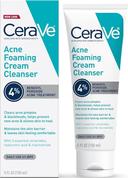
CeraVe Acne Foaming Cream Cleanser (4% Benzoyl Peroxide)

CeraVe Acne Foaming Cream Cleanser (4% Benzoyl Peroxide)

Benzoyl peroxide is one of the few ingredients with solid evidence against inflammatory acne, and the 4% here comes well-buffered by ceramides. Just watch out for bleached towels and pillowcases.

Best overall, and the other guideline first-line topical
$11.97 · View on Amazon

$17.9933% off

Price as of November 22, 2026. #ad How we’re funded

2
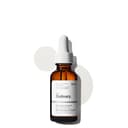
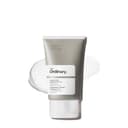
The Ordinary Azelaic Acid Suspension 10%

The Ordinary Azelaic Acid Suspension 10%

A multitasker with real evidence behind it for redness, bumps and post-acne marks — and one of the rare actives usually safe for rosacea-prone skin. A labeled 10%, for a handful of dollars.

Best leave-on with no retinoid and no peroxide
$12.20 · View on Amazon

Price as of November 22, 2026. #ad How we’re funded

3
The Ordinary Retinol 0.5% in Squalane

The Ordinary Retinol 0.5% in Squalane

About as transparently labeled as retinol gets: a precise 0.5% suspended in squalane, priced so cheaply that easing in slowly costs you nothing. For most people, this is the right first bottle.

Best if you want to stay on a retinoid
$9.30 · View on Amazon

Price as of November 22, 2026. #ad How we’re funded

4
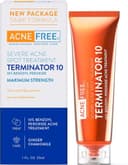
AcneFree Terminator 10 Acne Spot Treatment (10% Benzoyl Peroxide)

AcneFree Terminator 10 Acne Spot Treatment (10% Benzoyl Peroxide)

A maximum-strength 10% spot treatment for a few dollars. Buy it for the occasional targeted dab, not for all-over use — at 10% the extra strength mostly buys you extra peeling.

Budget pick, and best for a single spot
$5.47 · View on Amazon

Price as of November 22, 2026. #ad How we’re funded

5
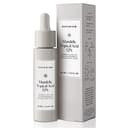
Naturium Mandelic Topical Acid 12%

Naturium Mandelic Topical Acid 12%

The strongest stated mandelic acid on the shelf, with niacinamide and vitamin E alongside it. The 12% is the reason to buy it; the niacinamide is the reason it is tolerable at that strength, and the reason to check what else is already in your routine.

Best for sensitive skin and deeper skin tones
$16.00 · View on Amazon

$19.9920% off

Price as of November 22, 2026. #ad How we’re funded

The picks in full

#1Best overall, and the other guideline first-line topical

CeraVe Acne Foaming Cream Cleanser (4% Benzoyl Peroxide)

Benzoyl peroxide is one of the few ingredients with solid evidence against inflammatory acne, and the 4% here comes well-buffered by ceramides. Just watch out for bleached towels and pillowcases.

Strengths

  • A labeled 4% benzoyl peroxide — genuine evidence against acne bacteria
  • Ceramides soften the dryness benzoyl peroxide usually brings
  • Being a wash, it stays on briefly, so it irritates less than a leave-on benzoyl peroxide

Trade-offs

  • Benzoyl peroxide bleaches fabric, so stick to white towels
  • It can dry the skin, so avoid pairing it with strong exfoliants the same night
Key activeBenzoyl peroxide
Stated concentration4%
FormatCream-to-foam
Fragrance-freeYes
Best forOily, Acne-prone

Formulation note. 4% benzoyl peroxide with ceramides and hyaluronic acid. Benzoyl peroxide has strong backing for inflammatory acne, and the ceramides are what make a BP wash bearable every day.

Ingredients and claims read from the product listing, on July 18, 2026. “Not published” means the brand does not state that figure.

#2Best leave-on with no retinoid and no peroxide

The Ordinary Azelaic Acid Suspension 10%

A multitasker with real evidence behind it for redness, bumps and post-acne marks — and one of the rare actives usually safe for rosacea-prone skin. A labeled 10%, for a handful of dollars.

Strengths

  • A disclosed 10% azelaic acid with solid evidence for redness and pigmentation
  • Usually well-tolerated by rosacea-prone skin
  • Layers comfortably with most other actives

Trade-offs

  • The silicone suspension has a distinctive, faintly grainy feel
  • Overapply it and it can pill beneath some sunscreens
Key activeAzelaic acid
Stated concentration10%
FormatSilicone cream-gel
Fragrance-freeYes
Best forRosacea-prone, Blemish-prone, Sensitive

Formulation note. 10% azelaic acid. The evidence backs it for rosacea redness, mild acne and pigmentation, and it's mild enough for reactive skin — an unusually versatile, well-tolerated active.

Ingredients and claims read from the product listing, on July 18, 2026. “Not published” means the brand does not state that figure.

#3Best if you want to stay on a retinoid

The Ordinary Retinol 0.5% in Squalane

About as transparently labeled as retinol gets: a precise 0.5% suspended in squalane, priced so cheaply that easing in slowly costs you nothing. For most people, this is the right first bottle.

Strengths

  • The 0.5% figure is printed on the label, something the vast majority of drugstore retinols never disclose
  • Its squalane carrier seals the skin and softens the sting
  • Sold in 0.2%, 0.5% and 1% versions, letting you climb strengths on purpose

Trade-offs

  • It's straight retinol in a waterless oil, with no calming extras thrown in
  • Layered over other oils, the squalane finish can turn heavy
Key activeRetinol
Stated concentration0.5%
FormatLightweight oil serum
Fragrance-freeYes
Best forNormal, Dry, Not-too-sensitive

Formulation note. Retinol suspended in squalane with no water phase, which sidesteps the pH and packaging headaches vitamin C demands. Having the percentage right there on the label is the exception rather than the norm.

Ingredients and claims read from the product listing, on July 18, 2026. “Not published” means the brand does not state that figure.

#4Budget pick, and best for a single spot

AcneFree Terminator 10 Acne Spot Treatment (10% Benzoyl Peroxide)

A maximum-strength 10% spot treatment for a few dollars. Buy it for the occasional targeted dab, not for all-over use — at 10% the extra strength mostly buys you extra peeling.

Strengths

  • A clearly stated 10%, and one of the cheapest treatments on this site
  • A small tube suits genuinely occasional, targeted use
  • Dries down quickly enough to sit under nothing else

Trade-offs

  • 10% is not more effective than 2.5% in the published comparisons — only more irritating
  • Bleaches fabric aggressively, and a spot treatment is exactly what you forget about at bedtime
Key activeBenzoyl peroxide
Stated concentration10%
FormatCream treatment
Fragrance-freeNot published
Best forAcne-prone, Resilient, Oily

Formulation note. 10% benzoyl peroxide in a spot-treatment cream. We list it because plenty of people specifically want maximum strength and we would rather rank it honestly than pretend the demand does not exist — but the comparative literature does not support 10% over 2.5% for clearing acne, only for irritating skin.

Ingredients and claims read from the product listing, on August 19, 2026. “Not published” means the brand does not state that figure.

#5Best for sensitive skin and deeper skin tones

Naturium Mandelic Topical Acid 12%

The strongest stated mandelic acid on the shelf, with niacinamide and vitamin E alongside it. The 12% is the reason to buy it; the niacinamide is the reason it is tolerable at that strength, and the reason to check what else is already in your routine.

Strengths

  • A disclosed 12% — the highest mandelic figure we found on a live listing
  • Niacinamide and vitamin E are in the formula, so the buffering is built in rather than layered on
  • Mid-price for a 12%, from a brand already in this registry for its azelaic and niacinamide serums

Trade-offs

  • No fragrance-free claim we could verify on the brand's own page for this product
  • The published pH range on the brand's page is a general statement about its formulas rather than a product-specific spec — treat it as unconfirmed
  • Stacking a 12% AHA with niacinamide is a lot at once if you already run a niacinamide serum
Key activeMandelic acid (AHA) + niacinamide
Stated concentration12%
FormatLight serum
Fragrance-freeNot published
Best forBlemish-prone, Uneven tone, Normal

Formulation note. 12% mandelic acid with niacinamide and tocopherol in a nineteen-ingredient formula, with propanediol as the solvent and aminomethyl propanol as the buffer. The percentage is published; the pH is not published per product, which matters more at 12% than at 10% because the free-acid share is what the strength actually buys. Mandelic's larger molecule is still the reason a 12% of it stings less than a 7% glycolic.

Ingredients and claims read from the product listing, on October 24, 2026. “Not published” means the brand does not state that figure.

First: are you sure you need to leave?

Four out of five people who look for an adapalene alternative are looking for it in the same window — somewhere between week two and week six — and for the same reason. Dryness, flaking, tightness, and often an apparent worsening of the acne itself. The published guidelines frame topical retinoid use over a twelve-week assessment window, and the AAD’s retinoid guidance treats irritation as the expected cost of the mechanism rather than as a sign the product is wrong.

So before you spend money: drop to twice a week, apply a pea-sized amount to a dry face, and put your moisturizer on first rather than after. That is the buffering method, it costs nothing, and it rescues a large share of abandoned adapalene courses. Our purging vs breakout page is the test for whether the worsening is plugs surfacing or a genuine reaction, and the adapalene guide has the full ramp.

The reasons to actually leave are different. Pregnancy or trying to conceive — retinoids are out, full stop, and that is a conversation with a clinician rather than with a roundup. A reaction that is swelling, burning or a rash rather than dryness. No change at all after a genuinely consistent three months. Or the simple fact that your acne is inflammatory and pustular rather than comedonal, in which case the antibacterial route below was always the better fit.

What each alternative actually replaces

Benzoyl peroxide: the antibacterial job. The guidelines put benzoyl peroxide alongside topical retinoids as a first-line topical, and it does the one thing adapalene does not do at all. Published work comparing strengths reports that higher concentrations are not reliably more effective and are reliably more irritating, which is why we rank a 4% cream cleanser rather than a 10% leave-on gel: a wash-off formulation has minutes of contact instead of hours, which is a large reduction in exactly the irritation you are leaving adapalene to escape. It also bleaches fabric, and rinsing it off in the shower ruins far fewer pillowcases. The full strength ranking is at best benzoyl peroxide.

Azelaic acid: the inflammation and the marks.The published review covers azelaic acid’s anti-inflammatory and antimicrobial activity in both acne and rosacea, plus its effect on pigmentation. That last part is why it is the most useful swap for the most common real complaint after a course of adapalene: brown marks where spots used to be. It is not a retinoid, it does not thin or flake skin the way one does, and it prints 10% on the label. A minority of faces find it stings for the first week.

Cosmetic retinol: the same mechanism, dialed down. If adapalene was too much but you want to stay in the retinoid family, a 0.5% retinol is the obvious move. Retinol has to convert in skin to become active, which makes it slower and gentler than adapalene — a real downgrade in potency and the entire point of the swap. The comparison in full is at retinol vs adapalene, and the honest summary is that you are trading speed for tolerance.

Mandelic acid: the route for reactive skin. Mandelic is the largest of the common AHA molecules, which is the standard formulation argument for why it penetrates more slowly and irritates less, and it is the acid we rank first for deeper skin tones because less inflammation means less risk of the post-inflammatory marks that outlast the acne. Our pick prints 12%. Mandelic acid vs salicylic acid covers the choice between the two.

And a spot treatment, for the narrow case.The budget pick is a 10% benzoyl peroxide gel for one spot on one night. It is not a face routine and we are not ranking it as one — at that strength over a whole face it is the most drying thing on this page.

How we ranked them

1. Is it in the guidelines? Benzoyl peroxide and azelaic acid both appear in the published acne management literature we cite. That puts them above the cosmetic options regardless of how good those options are.

2. Does it carry a drug label with a printed strength?Three of the five below do: 4% benzoyl peroxide, 10% benzoyl peroxide, and the retinol’s cosmetic 0.5% figure. The two acids print their percentages too. Nothing here required us to guess a number, which is unusual for an alternatives page.

3. How much irritation does it cost? You are here because of irritation, so ranking a harsher product above a gentler one would defeat the purpose. This is why the wash-off benzoyl peroxide outranks the leave-on gel and why the 10% spot treatment is fourth rather than first.

4. Does it address the marks as well as the spots? Only azelaic acid does both, which is why it is second despite not being a retinoid and not being antibacterial in the way peroxide is.

Which swap, by why you are switching

“It dried me out and I could not keep going.” The wash-off benzoyl peroxide, with a ceramide moisturizer. You keep a guideline-level active and lose the leave-on contact time, which is where most of the dryness came from.

“I am pregnant or trying to be.”Not the retinol — that is the same family you are leaving. Azelaic acid is the swap most often discussed in this situation, and it is also the one with the pigment benefit. Confirm it with your own clinician rather than with us; this is the one case on the page where a roundup is not the right authority.

“My spots are gone but the marks are not.” Azelaic acid, plus daily sunscreen, which matters more than the active does because sun exposure darkens post-inflammatory marks and makes them last months longer. The routine version is at best skincare for dark spots.

“It stung, and everything stings on my skin.” The mandelic acid, twice a week to start. It is the gentlest leave-on active in this list and the one least likely to leave a mark behind on deeper skin tones.

“I want something stronger, not gentler.” Then you are on the wrong page. Adapalene at 0.1% over the counter is not the ceiling — prescription adapalene at 0.3%, tretinoin, and combination prescriptions all sit above it, and the published guidelines reserve them for exactly this case. Our adapalene vs tretinoin comparison is the place to start before that appointment.

What this page refuses to tell you

That any of these is as good as adapalene at what adapalene does. None of them is a retinoid with an over-the-counter acne drug label, and the guidelines put topical retinoids at the center of acne management for reasons that do not evaporate because you found the dryness unpleasant. Every option here is a trade.

That switching will be faster. Twelve weeks is the assessment window for topical acne therapy whatever you are using. Switching resets that clock rather than skipping it.

That you should layer these. Pick one. Running a benzoyl peroxide wash alongside a leave-on acid, two weeks after leaving a retinoid for irritation, is how a manageable problem becomes a barrier problem. How to layer actives has the matrix if you want to combine anything later.

That we tested these. We own no units and publish no scores. Every strength quoted here is read from a drug facts panel or a published product page, and where a brand prints nothing we say so.
Frequently asked questions

What can I use instead of Differin?

Benzoyl peroxide is the closest substitute in guideline terms — it is the other first-line topical in the published acne guidelines and it does the antibacterial job adapalene does not do at all. A 4% cream cleanser is the gentlest way to get it. If you want a leave-on with no retinoid and no peroxide, 10% azelaic acid is the best option, and it is the only swap here that also addresses the marks spots leave behind.

Why is my skin so dry on adapalene?

Because that is the mechanism, not a defect. The AAD's retinoid guidance treats irritation as the expected cost of retinoid use, and weeks two to six are the worst of it. Before switching, drop to twice a week, apply a pea-sized amount to a dry face, and put moisturizer on first rather than after. That buffering routine costs nothing and rescues a large share of abandoned adapalene courses.

Is azelaic acid as good as adapalene for acne?

For a different part of the problem, yes; as a replacement, no. The published review covers azelaic acid's anti-inflammatory and antimicrobial activity in acne plus its effect on pigmentation, which makes it genuinely useful and the best option if the marks bother you more than the spots. What it is not is a retinoid acting on the comedo, which is the upstream job adapalene does and nothing else on this page does.

Can I use retinol instead of adapalene?

Yes, as a deliberate downgrade. Retinol has to convert in skin to become active, which makes it slower and gentler than adapalene — that is the whole point of the swap and also its cost. A 0.5% retinol with the figure printed on the label is the sensible version. If you are leaving adapalene because of pregnancy, retinol is not the answer, because it is the same family.

What is the gentlest acne active?

Among leave-on products, mandelic acid. It is the largest of the common AHA molecules, which is the standard formulation reason it penetrates more slowly and irritates less, and lower irritation matters doubly on deeper skin tones because inflammation is what produces the marks that outlast the acne. Start twice a week. Among all options, a wash-off benzoyl peroxide cleanser is gentler still, because contact time is minutes rather than hours.

Should I use benzoyl peroxide or adapalene?

They do different jobs and the guidelines list both as first-line, so the answer depends on your acne. Benzoyl peroxide is antibacterial and suits inflamed, pustular acne. Adapalene works on the plug and suits comedonal acne — blackheads, closed bumps, congestion. Many people end up using both, separated by time of day rather than layered: peroxide as a morning wash, adapalene at night.

Is there anything stronger than Differin over the counter?

No, in the sense that matters: adapalene 0.1% is the only retinoid sold over the counter in the US with an acne drug label. Prescription adapalene at 0.3%, tretinoin, and fixed-dose combinations all sit above it, and the published guidelines reserve them for cases that have not responded to a consistent twelve-week topical course. If you want stronger rather than gentler, that is a clinician conversation, not a shopping one.

Sources

Keep reading