Actives & Acids

Best Serums for Acne Scars & Post-Acne Marks

The actives with real evidence for post-acne marks — azelaic and vitamin C for discoloration, retinoids and a gentle AHA for texture. Plus what only a dermatologist can fix.

By Stephen V.Last updated How we pick

“Acne scars” is one of the most misused phrases in skincare, and the confusion costs people time and money. Most of what gets called scarring after a breakout clears is not a true scar at all — it is a flat mark: a red or brown patch of discoloration, sometimes with a little rough texture, sitting where a pimple used to be. Those marks are exactly what topical actives are good at fading. A true scar— a pitted, indented, or rolling change in the actual surface of the skin — is a different problem, and no serum can fill it in. Setting that expectation is the single most useful thing this guide can do.

So the picks below are chosen for the job topicals can genuinely do: fading post-acne marksand smoothing surface texture. Azelaic acid and vitamin C target the leftover discoloration; an over-the-counter retinoid and a gentle AHA work on texture and cell turnover. Every one of them is a slow, steady worker — you are looking at months, not days — and every one of them is wasted without daily sunscreen. If your concern is deeper, indented scarring, read the section below on what only a dermatologist can fix.

How this is funded:we earn a commission if you buy through our links, at no extra cost to you. It never changes which product we recommend, and we’ll tell you when we’d skip one. Full disclosure.

Quick picks

Ranked on formulation, stated concentration and buyer fit. Select a row to jump to the full write-up. We have not tested these products — here is exactly what we do instead.

#ProductBest forPrice
1
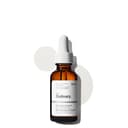
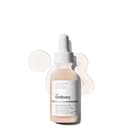
The Ordinary Azelaic Acid Suspension 10%

The Ordinary Azelaic Acid Suspension 10%

A multitasker with real evidence behind it for redness, bumps and post-acne marks — and one of the rare actives usually safe for rosacea-prone skin. A labeled 10%, for a handful of dollars.

Best for post-acne marks
$12.20 · View on Amazon

Price as of August 31, 2026. #ad How we’re funded

2
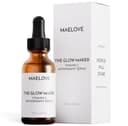
Maelove Glow Maker Vitamin C Serum

Maelove Glow Maker Vitamin C Serum

Builds on the one antioxidant trio with real research support — L-ascorbic acid alongside vitamin E and ferulic acid — for a sliver of the price of the prestige serum it mimics. Reach for it when you want the studied formulation.

Best for discoloration
$39.90 · View on Amazon

Price as of August 31, 2026. #ad How we’re funded

3
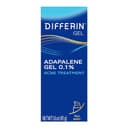
Differin Adapalene Gel 0.1%

Differin Adapalene Gel 0.1%

The first prescription-strength topical retinoid to reach US drugstore shelves — a labeled 0.1% adapalene with strong evidence for acne. It's a retinoid, so expect a break-in period and treat it accordingly.

Best retinoid for texture
$19.19 · View on Amazon

$23.9720% off

Price as of August 31, 2026. #ad How we’re funded

4
The Ordinary Retinol 0.5% in Squalane

The Ordinary Retinol 0.5% in Squalane

About as transparently labeled as retinol gets: a precise 0.5% suspended in squalane, priced so cheaply that easing in slowly costs you nothing. For most people, this is the right first bottle.

Best gentle retinol
$9.30 · View on Amazon

Price as of August 31, 2026. #ad How we’re funded

5
The Ordinary Lactic Acid 10% + HA

The Ordinary Lactic Acid 10% + HA

Lactic acid is the larger, more hydrating cousin of glycolic, so it smooths with less of the bite. A labeled 10% that makes a sensible first AHA for dry or normal skin.

Best for surface smoothing
$9.20 · View on Amazon

Price as of August 31, 2026. #ad How we’re funded

The picks in full

#1Best for post-acne marks

The Ordinary Azelaic Acid Suspension 10%

A multitasker with real evidence behind it for redness, bumps and post-acne marks — and one of the rare actives usually safe for rosacea-prone skin. A labeled 10%, for a handful of dollars.

Strengths

  • A disclosed 10% azelaic acid with solid evidence for redness and pigmentation
  • Usually well-tolerated by rosacea-prone skin
  • Layers comfortably with most other actives

Trade-offs

  • The silicone suspension has a distinctive, faintly grainy feel
  • Overapply it and it can pill beneath some sunscreens
Key activeAzelaic acid
Stated concentration10%
FormatSilicone cream-gel
Fragrance-freeYes
Best forRosacea-prone, Blemish-prone, Sensitive

Formulation note. 10% azelaic acid. The evidence backs it for rosacea redness, mild acne and pigmentation, and it's mild enough for reactive skin — an unusually versatile, well-tolerated active.

Ingredients and claims read from the product listing, on July 18, 2026. “Not published” means the brand does not state that figure.

#2Best for discoloration

Maelove Glow Maker Vitamin C Serum

Builds on the one antioxidant trio with real research support — L-ascorbic acid alongside vitamin E and ferulic acid — for a sliver of the price of the prestige serum it mimics. Reach for it when you want the studied formulation.

Strengths

  • L-ascorbic acid, vitamin E and ferulic acid — the antioxidant combination the studies actually looked at
  • Lightweight and free of fragrance
  • A fraction of the cost of the high-end serum it's patterned after

Trade-offs

  • L-ascorbic acid degrades with time, so buy it fresh, keep it cool and toss it once it browns
  • It may prickle at first while skin gets used to it
Key activeL-ascorbic acid (vitamin C)
Stated concentration15%
FormatLightweight fluid
Fragrance-freeYes
Best forNormal, Combination, Dull skin

Formulation note. 15% L-ascorbic acid with vitamin E and ferulic acid — the mix the dermatology literature credits with steadying vitamin C and improving sun protection. This is the version worth seeking out.

Ingredients and claims read from the product listing, on July 18, 2026. “Not published” means the brand does not state that figure.

#3Best retinoid for texture

Differin Adapalene Gel 0.1%

The first prescription-strength topical retinoid to reach US drugstore shelves — a labeled 0.1% adapalene with strong evidence for acne. It's a retinoid, so expect a break-in period and treat it accordingly.

Strengths

  • A disclosed 0.1% adapalene — the first prescription-strength retinoid to go OTC in the US
  • Backed by strong clinical evidence against acne
  • Fragrance-free gel at a reasonable, drugstore price

Trade-offs

  • Expect an initial purge and dryness for the first several weeks
  • It raises sun sensitivity, so daily SPF is non-negotiable
  • Not for use during pregnancy — check with a professional first
Key activeAdapalene (synthetic retinoid)
Stated concentration0.1%
FormatLight gel
Fragrance-freeYes
Best forAcne-prone, Resilient

Formulation note. A 0.1% adapalene gel — a synthetic retinoid with strong published support for acne. Because it's a retinoid, it doesn't belong on the same night as other retinoids or strong acids, and the early purge, dryness and sun sensitivity are part of the deal.

Ingredients and claims read from the product listing, on July 18, 2026. “Not published” means the brand does not state that figure.

#4Best gentle retinol

The Ordinary Retinol 0.5% in Squalane

About as transparently labeled as retinol gets: a precise 0.5% suspended in squalane, priced so cheaply that easing in slowly costs you nothing. For most people, this is the right first bottle.

Strengths

  • The 0.5% figure is printed on the label, something the vast majority of drugstore retinols never disclose
  • Its squalane carrier seals the skin and softens the sting
  • Sold in 0.2%, 0.5% and 1% versions, letting you climb strengths on purpose

Trade-offs

  • It's straight retinol in a waterless oil, with no calming extras thrown in
  • Layered over other oils, the squalane finish can turn heavy
Key activeRetinol
Stated concentration0.5%
FormatLightweight oil serum
Fragrance-freeYes
Best forNormal, Dry, Not-too-sensitive

Formulation note. Retinol suspended in squalane with no water phase, which sidesteps the pH and packaging headaches vitamin C demands. Having the percentage right there on the label is the exception rather than the norm.

Ingredients and claims read from the product listing, on July 18, 2026. “Not published” means the brand does not state that figure.

#5Best for surface smoothing

The Ordinary Lactic Acid 10% + HA

Lactic acid is the larger, more hydrating cousin of glycolic, so it smooths with less of the bite. A labeled 10% that makes a sensible first AHA for dry or normal skin.

Strengths

  • A disclosed 10% lactic acid at a budget price
  • The larger molecule is gentler and more hydrating than glycolic
  • Hyaluronic acid rides along to offset dryness

Trade-offs

  • Milder than glycolic, so tough texture may respond more slowly
  • It's still an exfoliant — build up gradually and wear SPF the next day
Key activeLactic acid (AHA)
Stated concentration10%
FormatLight serum
Fragrance-freeYes
Best forNormal, Dry, AHA-curious

Formulation note. 10% lactic acid with hyaluronic acid. Lactic's molecule is bigger than glycolic's, so it works a touch more slowly and tends to feel more hydrating — which is why it's an easier place to start with AHAs on dry or normal skin.

Ingredients and claims read from the product listing, on July 18, 2026. “Not published” means the brand does not state that figure.

Marks versus scars: what a topical can and cannot do

The most important distinction in this whole category is between a mark and a scar, because it decides whether you should be shopping for a serum or booking an appointment.

Post-acne marks are changes in color, not shape. They come in two flavors. PIE — post-inflammatory erythema is the pink-to-red mark left by the inflammation of a blemish; it is essentially lingering, dilated blood vessels near the surface, and it is most visible on lighter skin. PIH — post-inflammatory hyperpigmentationis the tan, brown, or gray mark left when a blemish triggers extra melanin; it is more common on medium-to-deep skin tones. Both are flat. Both fade. The actives that help are the ones that calm inflammation, even out pigment, and speed the skin’s renewal — which is exactly what the picks above do.

True atrophic scars are changes in shape: the little pits and depressions known as icepick, boxcar, and rolling scars, left when a breakout damages the deeper structure of the skin and it heals with too little collagen. Here is the honest part: no over-the-counter serum can remove an atrophic scar.A retinoid used consistently over a long time can improve the look of texture at the margins, but filling a genuine indentation needs a professional. The tools that actually treat atrophic scarring are in-office procedures — microneedling, fractional lasers, chemical peels, and subcision among them — performed or supervised by a board-certified dermatologist. If your “scars” catch shadows and you can feel the dips with a fingertip, that is the conversation to have. Spending months on serums for a problem they cannot solve is the most common mistake in this category.

How to choose an active for your marks

Once you know you are treating marks, match the active to the mark:

  • Azelaic acid is the most versatile pick. It gently fades PIH, calms the redness behind PIE, and is well tolerated by sensitive and rosacea-prone skin, which is why it leads this list.
  • Vitamin C(L-ascorbic acid) is a brightening antioxidant that helps even out discoloration and supports the skin against daytime damage — a strong daytime partner for fading brown marks.
  • A retinoid such as adapalene speeds cell turnover, improves texture, and prevents the new breakouts that would leave fresh marks in the first place. The published evidence for topical retinoids on skin texture and tone is deep.
  • A gentle AHA like lactic acid resurfaces the very top layer, smoothing rough patches and helping marks fade a little faster without the sting of stronger acids.

You do not need all four. Pick one lane based on your main complaint — brown marks, redness, or rough texture — and give it time before you add anything. Layering several actives at once is how sensitive, marked skin gets irritated, and irritation can itself trigger more PIH. If you do want to combine, our layering guide covers what to keep apart.

Sunscreen is not optional here

This is the step that makes or breaks mark-fading, and it is worth repeating: daily broad-spectrum sunscreen is non-negotiable. Ultraviolet light drives pigment production, so unprotected sun darkens the exact brown marks you are trying to erase and can stall your progress completely. It also works against every active on this page, several of which make skin more sun-sensitive. If you are only going to add one habit, make it SPF every morning — it protects the results you are working for.

Realistic timelines and patience

Fading marks is a matter of months. PIE and PIH turn over on the skin’s own schedule, and even the best routine is measured in eight-to-twelve-week blocks, not overnight changes. Deeper or older brown marks can take longer still. The people who see results are not using the strongest formula — they are the ones who picked a sensible active, wore sunscreen, and stayed consistent long enough for it to work. Give any single product a fair three months before you judge it, keep taking photos in the same light to track progress you would otherwise miss, and resist the urge to pile on more actives when it feels slow.
Frequently asked questions

Can a serum really get rid of acne scars?

It depends on what you mean by scars. If you are talking about the flat red or brown marks left after a breakout, then yes — serums with azelaic acid, vitamin C, a retinoid, or a gentle AHA can fade them over a few months. If you mean true indented, pitted, or rolling scars, then no: no over-the-counter product can remove those. That kind of scarring needs in-office treatment such as microneedling, lasers, or peels from a dermatologist.

What is the difference between PIE and PIH?

PIE (post-inflammatory erythema) is the pink or red mark left by inflammation — dilated blood vessels near the surface — and it is more visible on lighter skin. PIH (post-inflammatory hyperpigmentation) is the tan, brown, or gray mark left by excess melanin, and it is more common on medium-to-deep skin tones. Azelaic acid helps both; vitamin C and gentle exfoliation are especially useful for the brown marks of PIH.

How long do post-acne marks take to fade?

Plan on months, not days. Most marks fade over roughly eight to twelve weeks of consistent use, and deeper or older brown marks can take longer. Daily sunscreen makes a real difference to how fast you get there. Give any single product a fair three months before deciding it is not working, and take photos in consistent light to see the slow progress you would otherwise miss.

Do I really need sunscreen to fade acne marks?

Yes, every day. Sun exposure drives the pigment that makes brown marks darker, so skipping sunscreen actively works against everything else you are doing and can stall your results entirely. Many mark-fading actives also make skin more sun-sensitive. A broad-spectrum SPF 30 or higher every morning is the single most important habit for fading marks.

Sources

Keep reading