Actives & Acids

Best Products for Dark Spots & Hyperpigmentation

The actives that fade dark spots — vitamin C, azelaic acid and niacinamide — plus the SPF that decides whether any of it sticks.

By Stephen V.Last updated How we pick

Hyperpigmentation is uneven color: patches where the skin has made extra melanin, usually after a breakout, a bit of sun, or hormonal changes. Because it lives in the pigment rather than the surface texture, it is stubborn — there is no overnight fix, and the honest timeline is measured in months of steady use. The work splits into two halves: interrupting new pigment so spots fade faster than they form, and protecting what you have already evened out from the sun that caused most of it. Skip the second half and even the best serum is bailing water out of a boat with a hole in it.

That is why this roundup crosses ingredients instead of picking one. Vitamin C is the antioxidant workhorse that brightens overall tone and interferes with pigment production. Azelaic acid targets the uneven spots specifically while calming redness, and it is gentle enough for sensitive or breakout-prone skin. Niacinamide plays a supporting role by slowing pigment from reaching the surface and shoring up the barrier so the harder-working actives are better tolerated. And a daily broad-spectrum SPFis not optional here — it is the pick that decides whether the others amount to anything.

How this is funded:we earn a commission if you buy through our links, at no extra cost to you. It never changes which product we recommend, and we’ll tell you when we’d skip one. Full disclosure.

Quick picks

Ranked on formulation, stated concentration and buyer fit. Select a row to jump to the full write-up. We have not tested these products — here is exactly what we do instead.

#ProductBest forPrice
1
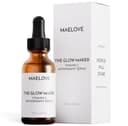
Maelove Glow Maker Vitamin C Serum

Maelove Glow Maker Vitamin C Serum

Builds on the one antioxidant trio with real research support — L-ascorbic acid alongside vitamin E and ferulic acid — for a sliver of the price of the prestige serum it mimics. Reach for it when you want the studied formulation.

Best overall (vitamin C)
$39.90 · View on Amazon

Price as of July 19, 2026. #ad How we’re funded

2
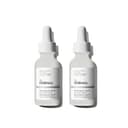
The Ordinary Azelaic Acid Suspension 10%

The Ordinary Azelaic Acid Suspension 10%

A multitasker with real evidence behind it for redness, bumps and post-acne marks — and one of the rare actives usually safe for rosacea-prone skin. A labeled 10%, for a handful of dollars.

Best gentle (azelaic)
$12.20 · View on Amazon

Price as of July 19, 2026. #ad How we’re funded

3
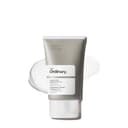
The Ordinary Niacinamide 10% + Zinc 1%

The Ordinary Niacinamide 10% + Zinc 1%

The go-to niacinamide serum, and not by accident — a labeled 10% with zinc for a couple of bucks. Just know that 10% sits above the 4-5% most research uses, so sensitive skin might do better with less.

Best supporting active
$12.00 · View on Amazon

Price as of July 19, 2026. #ad How we’re funded

4
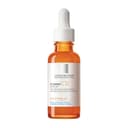
La Roche-Posay Pure Vitamin C10 Serum

La Roche-Posay Pure Vitamin C10 Serum

10% pure vitamin C with a touch of salicylic acid and hyaluronic acid, adding light texture-smoothing on top of the brightening. It fits oilier, breakout-prone skin best.

Best for oily skin
$37.99 · View on Amazon

$44.9916% off

Price as of July 19, 2026. #ad How we’re funded

5
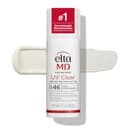
EltaMD UV Clear Broad-Spectrum SPF 46

EltaMD UV Clear Broad-Spectrum SPF 46

The facial sunscreen dermatologists recommend more than any other, and it deserves the reputation: a zinc-oxide SPF 46 with niacinamide, oil-free and fragrance-free, and pleasant enough to actually wear every day.

Best SPF to protect results
$23.50 · View on Amazon

Price as of July 19, 2026. #ad How we’re funded

The picks in full

#1Best overall (vitamin C)

Maelove Glow Maker Vitamin C Serum

Builds on the one antioxidant trio with real research support — L-ascorbic acid alongside vitamin E and ferulic acid — for a sliver of the price of the prestige serum it mimics. Reach for it when you want the studied formulation.

Strengths

  • L-ascorbic acid, vitamin E and ferulic acid — the antioxidant combination the studies actually looked at
  • Lightweight and free of fragrance
  • A fraction of the cost of the high-end serum it's patterned after

Trade-offs

  • L-ascorbic acid degrades with time, so buy it fresh, keep it cool and toss it once it browns
  • It may prickle at first while skin gets used to it
Key activeL-ascorbic acid (vitamin C)
Stated concentration15%
FormatLightweight fluid
Fragrance-freeYes
Best forNormal, Combination, Dull skin

Formulation note. 15% L-ascorbic acid with vitamin E and ferulic acid — the mix the dermatology literature credits with steadying vitamin C and improving sun protection. This is the version worth seeking out.

Ingredients and claims read from the product listing, on July 18, 2026. “Not published” means the brand does not state that figure.

#2Best gentle (azelaic)

The Ordinary Azelaic Acid Suspension 10%

A multitasker with real evidence behind it for redness, bumps and post-acne marks — and one of the rare actives usually safe for rosacea-prone skin. A labeled 10%, for a handful of dollars.

Strengths

  • A disclosed 10% azelaic acid with solid evidence for redness and pigmentation
  • Usually well-tolerated by rosacea-prone skin
  • Layers comfortably with most other actives

Trade-offs

  • The silicone suspension has a distinctive, faintly grainy feel
  • Overapply it and it can pill beneath some sunscreens
Key activeAzelaic acid
Stated concentration10%
FormatSilicone cream-gel
Fragrance-freeYes
Best forRosacea-prone, Blemish-prone, Sensitive

Formulation note. 10% azelaic acid. The evidence backs it for rosacea redness, mild acne and pigmentation, and it's mild enough for reactive skin — an unusually versatile, well-tolerated active.

Ingredients and claims read from the product listing, on July 18, 2026. “Not published” means the brand does not state that figure.

#3Best supporting active

The Ordinary Niacinamide 10% + Zinc 1%

The go-to niacinamide serum, and not by accident — a labeled 10% with zinc for a couple of bucks. Just know that 10% sits above the 4-5% most research uses, so sensitive skin might do better with less.

Strengths

  • A disclosed 10% niacinamide plus 1% zinc to rein in oil
  • One of the cheapest actives you can buy in skincare
  • Fragrance-free with a water-thin feel

Trade-offs

  • 10% overshoots the 4-5% that's been studied and can pill or sting
  • The suspended zinc can drag a little on the skin
Key activeNiacinamide
Stated concentration10%
FormatWater-light serum
Fragrance-freeYes
Best forOily, Combination, Blemish-prone

Formulation note. 10% niacinamide with 1% zinc PCA. The bulk of published benefit for redness and the barrier lands around 4-5%, so 10% isn't a case of stronger being better and can irritate — a fair caveat on an otherwise handy, cheap serum.

Ingredients and claims read from the product listing, on July 18, 2026. “Not published” means the brand does not state that figure.

#4Best for oily skin

La Roche-Posay Pure Vitamin C10 Serum

10% pure vitamin C with a touch of salicylic acid and hyaluronic acid, adding light texture-smoothing on top of the brightening. It fits oilier, breakout-prone skin best.

Strengths

  • A disclosed 10% L-ascorbic acid
  • A dose of salicylic acid works on texture and congestion
  • Built for sensitive skin in spite of the active load

Trade-offs

  • That salicylic acid is wasted if a BHA is already in your routine
  • Expensive compared with the drugstore 10% alternatives
Key activeL-ascorbic acid (vitamin C)
Stated concentration10%
FormatLightweight serum
Fragrance-freeNo
Best forOily, Combination, Blemish-prone

Formulation note. 10% pure vitamin C with salicylic acid and hyaluronic acid. The BHA turns it into a two-for-one, which only helps if you aren't exfoliating somewhere else already.

Ingredients and claims read from the product listing, on July 18, 2026. “Not published” means the brand does not state that figure.

#5Best SPF to protect results

EltaMD UV Clear Broad-Spectrum SPF 46

The facial sunscreen dermatologists recommend more than any other, and it deserves the reputation: a zinc-oxide SPF 46 with niacinamide, oil-free and fragrance-free, and pleasant enough to actually wear every day.

Strengths

  • Zinc oxide and niacinamide — soothing and easy on the skin
  • Oil-free, fragrance-free and non-comedogenic
  • A light finish that sits under makeup

Trade-offs

  • A premium price per ounce
  • A faint cast on the deepest skin tones, which the tinted version resolves
Key activeZinc oxide + niacinamide (SPF 46)
Stated concentrationSPF 46
FormatLightweight lotion
Fragrance-freeYes
Best forSensitive, Acne-prone, Rosacea-prone

Formulation note. Broad-spectrum SPF 46 built on zinc oxide with 5% niacinamide. That niacinamide is a real bonus for redness-prone skin — the reason people recommend it again and again, not just another passable SPF.

Ingredients and claims read from the product listing, on July 18, 2026. “Not published” means the brand does not state that figure.

How to build a routine for dark spots

Pick a lead active and a protector, then be patient. For most people the simplest effective routine is vitamin C in the morning under sunscreen to brighten and defend, with azelaic acidin the evening to work on the spots directly. If your skin is oily or acne-prone, a lighter vitamin C paired with salicylic acid earns its “best for oily skin” spot, and azelaic doubles as a blemish treatment so you are fading marks and preventing new ones at once. Niacinamide can sit alongside either, morning or night, as the low-drama supporting layer.

Sun protection is the active that decides everything

Ultraviolet light is what darkened most spots in the first place, and it will re-darken them faster than any serum can fade them. A broad-spectrum SPF worn every day — not just on sunny ones — is the single highest-leverage step for hyperpigmentation, which is exactly why an SPF earns a place on an actives list at all. Without it, you are treating and re-triggering the same spots on a loop.

Cost-per-mL and the patience tax

Fading pigment is a months-long project, so the number that matters is cost over a full course of treatment, not the sticker on one bottle. Divide the price by the milliliters and by how long a bottle lasts: an inexpensive azelaic or niacinamide can carry the routine for a season for very little, while a well-formulated vitamin C is worth a bit more for stability. Whatever you choose, the actual cost of quitting early — before the three-month mark — is starting over. Give it time, keep the SPF constant, and let our vitamin C and azelaic acid picks do the rest.

Frequently asked questions

What is the best ingredient for dark spots?

There isn't one — the strongest routines combine a lead active with sun protection. Vitamin C brightens overall tone, azelaic acid targets specific spots gently, and niacinamide supports both. Daily SPF is what makes any of them hold.

How long does it take to fade hyperpigmentation?

Plan on two to three months of consistent use, sometimes longer for deeper or older spots. Pigment sits below the surface, so it fades gradually as skin turns over. Quitting before the three-month mark is the most common reason people see no result.

Why do I need sunscreen for dark spots?

Because sun exposure is what darkens most spots and re-triggers them faster than actives can fade them. A daily broad-spectrum SPF is the highest-impact step for hyperpigmentation — without it, treatment and re-darkening cancel out.

Can I use vitamin C and azelaic acid together?

Yes. A common, well-tolerated split is vitamin C in the morning under sunscreen and azelaic acid in the evening. Both are gentle enough to combine, and azelaic doubles as a treatment for the breakouts that often leave marks in the first place.

Sources

Keep reading