Actives & Acids

Best Skincare for Sensitive Skin

Six products for skin that stings, ranked on tolerance first - including the gentlest version of every active worth having.

By Stephen V.Last updated How we pick

Start with La Roche-Posay Toleriane Double Repair— the moisturizer, not an active, because on reactive skin the barrier is the thing that decides whether anything else is tolerable. The budget pick, and the gentlest active in our entire registry, is The Ordinary Lactic Acid 5% + HA 2%: the only exfoliant we carry at a strength we would put on someone who stings at everything. The one step that is not optional is CeraVe Hydrating Mineral Sunscreen SPF 30.

The organizing idea here is different from every other roundup on this site. This page does not rank the best version of each active. It ranks the gentlest version that still prints a figure. Sensitive skin is not a formulation problem you solve by buying a product labeled “for sensitive skin” — that phrase is unregulated and means nothing. It is a dosing problem you solve by picking the low end of each category and moving up only if nothing happens. The AAD’s skin-care basics guidance is unglamorous about this: gentle cleansing, a moisturizer, daily sun protection, and one change at a time. Prices below are live from our price layer with the date they were read, we own no units, and here is our method.

How this is funded: we earn a commission if you buy through our links, at no extra cost to you. It never changes which product we recommend, and we’ll tell you when we’d skip one. Full disclosure.

Quick picks

Ranked on formulation, stated concentration and buyer fit. Select a row to jump to the full write-up. We have not tested these products — here is exactly what we do instead.

#ProductBest forPrice
1
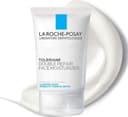
La Roche-Posay Toleriane Double Repair Face Moisturizer

La Roche-Posay Toleriane Double Repair Face Moisturizer

The top all-day face moisturizer for reactive skin on this list — ceramides and niacinamide in a texture light enough to wear by day yet restorative enough for a struggling barrier. Fragrance-free.

Best overall, and the moisturizer to start with
$24.99 · View on Amazon

Price as of November 22, 2026. #ad How we’re funded

2
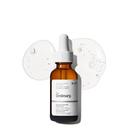
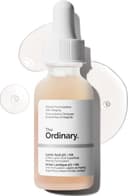
The Ordinary Lactic Acid 5% + HA 2%

The Ordinary Lactic Acid 5% + HA 2%

The same formula as the 10% at half the acid, and the most sensible first bottle of lactic acid anyone can buy. Both the percentage and the pH are printed, which almost nothing else in this category manages — and at 5% you can use it more often, which is what actually produces results.

Budget pick, and the gentlest active we carry
$8.10 · View on Amazon

Price as of November 22, 2026. #ad How we’re funded

3
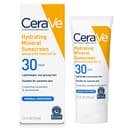
CeraVe Hydrating Mineral Sunscreen SPF 30

CeraVe Hydrating Mineral Sunscreen SPF 30

An affordable mineral-based SPF 30 with ceramides for anyone who wants a physical filter without the prestige markup. It casts slightly, but it's a truly gentle, barrier-friendly pick.

Best sunscreen
$13.97 · View on Amazon

$14.997% off

Price as of November 22, 2026. #ad How we’re funded

4
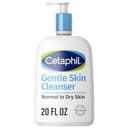
Cetaphil Gentle Skin Cleanser

Cetaphil Gentle Skin Cleanser

The original gentle cleanser and still a reasonable, cheap option for dry and sensitive skin. It and CeraVe Hydrating do almost the same work, so texture preference is the tiebreaker.

Best value cleanser
$13.44 · View on Amazon

$15.4913% off

Price as of November 22, 2026. #ad How we’re funded

5
The Ordinary Ascorbyl Glucoside Solution 12%

The Ordinary Ascorbyl Glucoside Solution 12%

A water-based vitamin C derivative at a printed 12%, in a formula that sits near skin-neutral pH instead of the pH 3 that pure L-ascorbic acid needs. It is the gentlest route to a published vitamin C number that this registry sells, and the trade is honest: a derivative has to convert in the skin, and its evidence base is thinner than L-ascorbic acid's.

Best vitamin C without the sting
$14.80 · View on Amazon

Price as of November 22, 2026. #ad How we’re funded

6
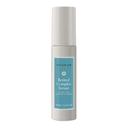
Naturium Retinol Complex Serum

Naturium Retinol Complex Serum

Mixes encapsulated retinol with bakuchiol, a botanical with some retinol-like research behind it, to ease the break-in period. A sensible middle-of-the-road choice, minus a stated retinol dose.

Best way to start a retinoid
$16.79 · View on Amazon

$21.0020% off

Price as of November 22, 2026. #ad How we’re funded

The picks in full

#1Best overall, and the moisturizer to start with

La Roche-Posay Toleriane Double Repair Face Moisturizer

The top all-day face moisturizer for reactive skin on this list — ceramides and niacinamide in a texture light enough to wear by day yet restorative enough for a struggling barrier. Fragrance-free.

Strengths

  • Ceramide-3, niacinamide and prebiotic thermal water
  • Light enough for mornings, under makeup or sunscreen
  • Fragrance-free and allergy-tested

Trade-offs

  • A face-sized tube rather than a value tub
  • Not quite rich enough for the driest winter skin
Key activeCeramide-3 + niacinamide
Stated concentrationNot published
FormatLight cream
Fragrance-freeYes
Best forSensitive, Normal, Combination

Formulation note. Ceramide-3, niacinamide, glycerin and prebiotic thermal spring water. It's built around barrier repair for reactive skin — the daytime match to a heavier night cream.

Ingredients and claims read from the product listing, on July 18, 2026. “Not published” means the brand does not state that figure.

#2Budget pick, and the gentlest active we carry

The Ordinary Lactic Acid 5% + HA 2%

The same formula as the 10% at half the acid, and the most sensible first bottle of lactic acid anyone can buy. Both the percentage and the pH are printed, which almost nothing else in this category manages — and at 5% you can use it more often, which is what actually produces results.

Strengths

  • A disclosed 5% with a brand-stated pH of 3.60-3.80, so you can check the dose AND the condition it works in
  • Half the acid of the 10% at a near-identical price, which makes easing in cost nothing
  • Tasmanian pepperberry is in the formula as an anti-irritant, and hyaluronic acid offsets the dryness

Trade-offs

  • At 5% it is maintenance rather than resurfacing — rough texture responds slowly
  • Lactic acid's pKa is about 3.8, so even at this pH a meaningful share sits as a salt rather than free acid
Key activeLactic acid (AHA)
Stated concentration5%
FormatLight serum
Fragrance-freeYes
Best forSensitive, Dry, AHA-curious

Formulation note. 5% lactic acid with sodium hyaluronate crosspolymer and Tasmannia lanceolata (Tasmanian pepperberry) extract, which the brand positions as an anti-irritant. Lactic acid sits SECOND in the ingredient list, behind only water. Brand-stated pH 3.60-3.80 against lactic acid's pKa of about 3.8 — the useful comparison is that this is the gentler sibling of the 10% in strength while sitting in the same pH band, so it is a dose change rather than a different kind of product.

Ingredients and claims read from the product listing, on October 24, 2026. “Not published” means the brand does not state that figure.

#3Best sunscreen

CeraVe Hydrating Mineral Sunscreen SPF 30

An affordable mineral-based SPF 30 with ceramides for anyone who wants a physical filter without the prestige markup. It casts slightly, but it's a truly gentle, barrier-friendly pick.

Strengths

  • Mineral filters with ceramides and hyaluronic acid
  • Gentle and fragrance-free
  • Easy on the budget

Trade-offs

  • SPF 30 instead of 50
  • A mineral cast on deeper skin tones
Key activeTitanium dioxide 6% + zinc oxide 5% (SPF 30)
Stated concentrationSPF 30
FormatSheer lotion
Fragrance-freeYes
Best forSensitive, Dry, Normal

Formulation note. Titanium dioxide 6% and zinc oxide 5% are the only filters in it, published on the Drug Facts panel, with three ceramides and hyaluronic acid alongside. The ceramides make it the gentle budget-mineral option, with the cast and the SPF 30 as the trade-offs.

Ingredients and claims read from the product listing, on October 20, 2026. “Not published” means the brand does not state that figure.

#4Best value cleanser

Cetaphil Gentle Skin Cleanser

The original gentle cleanser and still a reasonable, cheap option for dry and sensitive skin. It and CeraVe Hydrating do almost the same work, so texture preference is the tiebreaker.

Strengths

  • Very mild, barely foaming and non-stripping
  • Cheap and available just about everywhere
  • Works with or without water

Trade-offs

  • Fewer barrier ceramides than CeraVe Hydrating offers
  • Little cleansing muscle against heavy makeup
Key activeMild surfactants + glycerin
Stated concentrationNot published
FormatLow-foam lotion
Fragrance-freeYes
Best forDry, Sensitive, Normal

Formulation note. Glycerin and mild surfactants that clean gently without stripping. It covers the same ground as CeraVe Hydrating with fewer added ceramides — a genuine toss-up for most people.

Ingredients and claims read from the product listing, on July 18, 2026. “Not published” means the brand does not state that figure.

#5Best vitamin C without the sting

The Ordinary Ascorbyl Glucoside Solution 12%

A water-based vitamin C derivative at a printed 12%, in a formula that sits near skin-neutral pH instead of the pH 3 that pure L-ascorbic acid needs. It is the gentlest route to a published vitamin C number that this registry sells, and the trade is honest: a derivative has to convert in the skin, and its evidence base is thinner than L-ascorbic acid's.

Strengths

  • The 12% is printed in the product name on the brand's own page — most vitamin C serums publish nothing
  • Water-based at a stated pH of 6.00-7.00, so it does not rely on the low pH that makes pure vitamin C sting
  • Twelve ingredients, no fragrance in the list, and the cheapest published vitamin C figure here

Trade-offs

  • Ascorbyl glucoside is a derivative: it has to convert to ascorbic acid in the skin, and the published clinical record behind it is thinner than L-ascorbic acid's
  • A 12% derivative is not equivalent to 12% L-ascorbic acid, and nobody publishes the conversion rate
  • No fragrance-free claim on the brand's page, even though no fragrance appears in the list
Key activeAscorbyl glucoside (vitamin C derivative)
Stated concentration12%
FormatLightweight water-based serum
Fragrance-freeNot published
Best forSensitive, Normal, Dry, Vitamin-C-intolerant

Formulation note. Read from the brand's own US product page: a water-based serum listing Aqua, Ascorbyl Glucoside, Propanediol, Aminomethyl Propanol, Triethanolamine, Isoceteth-20, Xanthan Gum, Dimethyl Isosorbide, Ethoxydiglycol, Trisodium Ethylenediamine Disuccinate, 1,2-Hexanediol and Caprylyl Glycol, with a stated pH of 6.00-7.00, one 30 mL size, and alcohol-free / oil-free / silicone-free / vegan flags (water-free: No). The pH is the thing to notice — a near-neutral formula is only possible because ascorbyl glucoside is a stabilized derivative rather than free ascorbic acid, which is exactly why it stings less and exactly why it is a step removed from the molecule the trials used.

Ingredients and claims read from the product listing, on November 21, 2026. “Not published” means the brand does not state that figure.

#6Best way to start a retinoid

Naturium Retinol Complex Serum

Mixes encapsulated retinol with bakuchiol, a botanical with some retinol-like research behind it, to ease the break-in period. A sensible middle-of-the-road choice, minus a stated retinol dose.

Strengths

  • The bakuchiol pairing is meant to blunt early irritation
  • Encapsulated retinols meter out the release more slowly
  • Priced low for what it is

Trade-offs

  • The retinol percentage stays unpublished
  • Bakuchiol rests on a thinner body of evidence than retinol, so lean on it as a helper, not a stand-in
Key activeRetinol + bakuchiol
Stated concentrationNot published
FormatLightweight serum
Fragrance-freeYes
Best forNormal, Combination, Cautious beginners

Formulation note. Encapsulated retinols plus bakuchiol. A handful of studies back bakuchiol, but nowhere near retinol's track record, so we frame it as a sidekick rather than a peer.

Ingredients and claims read from the product listing, on July 18, 2026. “Not published” means the brand does not state that figure.

Why the moisturizer is ranked first

Most “sensitive skin” is a barrier that is letting water out and irritants in, and almost everything that stings stings more on a compromised barrier than an intact one. That makes the moisturizer the highest-leverage purchase on the page, because it changes how every subsequent product feels. The StatPearls review of moisturizers describes the job as occlusion plus humectancy, and the AAD’s dry skin guidance is explicit about applying one while skin is still damp.

Our pick is a lotion with ceramides and niacinamide that is light enough for twice-daily use under sunscreen — which matters, because the version of this that fails is buying a heavy night cream and then skipping it in the morning when it pills under SPF. If your skin is reactive and dry rather than reactive and normal, the shorter-ingredient-list option is argued at best moisturizer for sensitive skin, and the repair sequence is at how to repair your skin barrier.

The cleanser is the second barrier decision. A non-foaming, fragrance-free cleanser once a day with lukewarm water is the whole brief. We rank the big-bottle classic here for value rather than for sophistication: it has nothing in it to react to, it costs very little per wash, and it is sold in a size that means you will not ration it. What is deliberately absent from this page is any salicylic, sulfate-forward or scrub cleanser.

The gentlest version of every active worth having

Acid: lactic at 5%, not glycolic at 7% or higher. Lactic acid is a larger molecule than glycolic, which is the standard formulation argument for why it penetrates more slowly and irritates less, and 5% is the lowest printed figure in our exfoliant registry. The brand publishes the percentage, which is the only reason we can rank it as “the gentlest” rather than just asserting it. Once a week to start, at night, on dry skin. The comparison that matters is lactic acid vs glycolic acid, and if even this stings, the honest answer is that you do not need an exfoliant at all.

Vitamin C: a derivative at near-neutral pH, not L-ascorbic acid at pH 3.A water-based L-ascorbic acid serum has to be acidic to work, and acidic is the problem. Ascorbyl glucoside is stable at a stated pH of 6.00–7.00, which is why it barely stings, and the brand prints 12% in the product name. The trade is documented and we are not going to hide it: a derivative has to convert to ascorbic acid in your skin, nobody publishes the conversion rate, and the clinical record behind derivatives is thinner than the record behind L-ascorbic acid. That argument in full is at L-ascorbic acid vs vitamin C derivatives.

Retinoid: an encapsulated complex, buffered, twice a week.Retinoids are irritants by mechanism, which the AAD acknowledges in its own retinoid guidance, so a sensitive-skin retinoid is a dosing and delivery question rather than a strength question. Our pick is a complex in a slow-release base with supporting hydration in the formula. It publishes no exact retinol percentage, which we say plainly rather than guessing — and on this particular page the absence of a number is less damning than it would be elsewhere, because the goal is the smallest effective dose rather than the biggest one. Apply it over moisturizer, twice a week, and read best retinol for sensitive skin before you commit.

Sunscreen: mineral, SPF 30, fragrance-free.Zinc and titanium sit on the surface instead of absorbing in, which is the least provocative option for skin that reacts to organic filters, and the FDA’s labeling rules are what define what the number on the front means. SPF 30 rather than 60 is deliberate: a lighter formula you wear daily beats a higher number you avoid. Mineral vs chemical sunscreen covers the trade-offs.

How we ranked them

1. Tolerance first, potency second. This inverts the ranking criterion on every other roundup on this site, and it is the whole reason this page exists. The strongest product in a category is not the best product for someone who will abandon it in four days.

2. Does the label publish a figure?Three of the six print an exact concentration: 5% lactic acid, 12% ascorbyl glucoside, and the sunscreen’s filters and SPF. “For sensitive skin” on a carton is marketing; a printed low percentage is evidence.

3. Is there anything in it to react to? Fragrance, essential oils, denatured alcohol and botanical extracts are the usual culprits. Nothing on this page is fragranced, and where a formula carries botanicals we would rank it lower rather than hide them.

4. Can you buy it in a size that encourages use? Under-application is the quiet failure mode on reactive skin: people ration the expensive thing and then conclude it did not work. Five of the six products here are cheap enough to use generously.

The sequence, which matters more than the products

Patch test everything, properly. Three nights on the jawline before anything goes near your whole face. Five minutes of reading at how to patch test prevents the face-wide reaction that sets people back a month.

Weeks one to three:cleanser, moisturizer, sunscreen. Nothing else. This is the baseline, and a surprising number of people discover their “sensitive skin” was a reaction to something they had stopped noticing.

Week four: add exactly one active. One. The usual best first choice is the vitamin C derivative in the morning, because it is the least likely of the three to cause a visible reaction.

Week eight:add a second if the first is boring. “Boring” is the target state; tingling is not a sign of efficacy, it is a sign of irritation. Common skincare mistakes covers the rest of the list, and how to layer actives has the conflict matrix.

If anything stings for more than ten minutes, or your skin is still pink the next morning, stop that product. Not reduce it. Stop it, let the barrier settle for a week, and reintroduce at half the frequency. There is no tolerance to build toward a product that is wrong for you.

What this page refuses to tell you

That “for sensitive skin” on the packaging means anything. It is not a regulated claim. Some of the most reactive products we have read the INCI for carry it, usually alongside a botanical extract list as long as the active list.

That tingling means it is working. It means an irritant is contacting a nerve ending. Those are not the same sentence, and the belief that they are is the reason reactive skin gets over-treated.

That we tested these on reactive skin.We own no units and test nothing. Every ranking here is argued from published percentages, from pH where a brand states it, and from ingredient lists — and where a brand publishes no figure, we print the absence.

That sensitive skin needs more products. It needs fewer, chosen better, used longer. If you only ever buy three things from this page, buy the first, third and fourth.
Frequently asked questions

What is the best skincare routine for sensitive skin?

Three products for the first three weeks: a non-foaming fragrance-free cleanser, a ceramide moisturizer, and a mineral sunscreen. Then add one active, and only one — usually a vitamin C derivative at near-neutral pH, because it is the least likely to provoke a reaction. Add a second active four weeks later if the first was uneventful. The sequence matters more than the products.

Does 'for sensitive skin' on the label mean anything?

No. It is not a regulated claim in the US, and plenty of products carrying it include fragrance, essential oils or long botanical extract lists — which are among the most common things reactive skin reacts to. What is meaningful is a short ingredient list, no fragrance, and a printed low concentration of whatever active is in it. We rank on those, not on the carton.

Which exfoliating acid is gentlest?

Lactic acid at a low printed percentage. Lactic is a larger molecule than glycolic, which is the standard formulation reason it penetrates more slowly and irritates less, and 5% is the lowest figure printed on anything in our exfoliant registry. Use it once a week to begin with, at night, on dry skin. If even that stings for more than ten minutes, the honest answer is that you do not need an exfoliant at all.

Can sensitive skin use retinol?

Usually yes, but as a dosing and delivery question rather than a strength question. Retinoids are irritants by mechanism, so the sensitive-skin version is an encapsulated or slow-release formula, applied over moisturizer, twice a week, with weeks rather than days between increases. If your skin is pink the following morning, that is the signal to stop and restart at half the frequency, not to push through it.

Is vitamin C bad for sensitive skin?

L-ascorbic acid often is, because it needs a pH around 3 to work and acidic is the problem. A derivative solves it: ascorbyl glucoside is stable at a stated pH of 6.00 to 7.00 and barely stings. The honest trade is that a derivative must convert to ascorbic acid in your skin, nobody publishes the conversion rate, and the clinical record behind derivatives is thinner. For reactive skin that is usually the right trade.

Mineral or chemical sunscreen for sensitive skin?

Start mineral. Zinc oxide and titanium dioxide sit on the surface rather than absorbing into skin, which makes them the least provocative option for people who react to organic filters, and SPF 30 in a light formula is better than SPF 60 in something you skip. If every mineral sunscreen is cosmetically unusable for you, a well-tolerated chemical one worn daily beats a mineral one worn twice a week.

Why does my skin sting even with gentle products?

Usually because the barrier has not recovered yet, and almost everything stings more on a compromised barrier than an intact one. The fix is unglamorous: stop all actives, run cleanser plus moisturizer plus sunscreen only for two to three weeks, and then reintroduce one thing. If stinging persists on a bland routine, or comes with visible swelling, rash or burning, that is a dermatologist's question rather than a shopping one.

Sources

  • American Academy of Dermatology — Skin care basics — AAD consumer guidance on cleansing, moisturizing and sun protection (accessed July 17, 2026)
  • American Academy of Dermatology — Dermatologists' top tips for relieving dry skin — AAD on moisturizing damp skin and choosing a cream for dry skin (accessed July 17, 2026)
  • Moisturizers — StatPearls (NCBI Bookshelf) — Reference on humectants (hyaluronic acid), occlusives and emollients (accessed July 17, 2026)
  • U.S. FDA — Sunscreen: How to Help Protect Your Skin from the Sun — FDA on SPF numbers, broad-spectrum and application amount (accessed July 17, 2026)
  • The Ordinary — Lactic Acid 5% + HA (official product page) — The brand's own listing for the LOWER-strength half of the pair, fetched on this date. Stated pH 3.60-3.80 — the same band the brand publishes for the 10%, which is the single most useful fact about this product: moving from 10% to 5% is a DOSE change at an unchanged pH, not a move to a milder kind of formula. The brand's formulation note on the pair explains why the band is what it is: "Lactic Acid has a pKa of 3.8 and pKa is the most important aspect to consider in formulating with acids... When pKa is close to pH, there is an optimal balance between salt and acidity." Lactic acid sits SECOND in the ingredient list behind only water, with glycerin, sodium hyaluronate crosspolymer and Tasmannia Lanceolata (Tasmanian pepperberry) fruit/leaf extract — which the brand describes as a known anti-irritant — alongside it. One 30 mL size, evening application, dilutable to build tolerance, carrying the same FDA-recommended AHA Sunburn Alert and the same ten-item conflict list as the 10%. As with the 10%, there is NO fragrance-free claim badge although no fragrance appears in the list (accessed October 24, 2026)
  • The Ordinary — Ascorbyl Glucoside Solution 12% (official product page) — The brand's own US listing, headed "Ascorbyl Glucoside Solution 12% for Antioxidant Support": the 12% is in the product name, the format is a water-based serum, the stated pH is 6.00-7.00, there is one 30 mL size, and the highlights read alcohol-free Yes, oil-free Yes, silicone-free Yes, vegan Yes, water-free No, with no fragrance-free claim. Twelve ingredients: Aqua, Ascorbyl Glucoside, Propanediol, Aminomethyl Propanol, Triethanolamine, Isoceteth-20, Xanthan Gum, Dimethyl Isosorbide, Ethoxydiglycol, Trisodium Ethylenediamine Disuccinate, 1,2-Hexanediol, Caprylyl Glycol. HONESTY NOTE, recorded because it changed what we published: the page carries a "Note:" paragraph comparing ascorbyl glucoside's stability in water against direct L-ascorbic acid, and we could NOT obtain that paragraph as reliable verbatim text on this date — two reads returned differently-worded summaries of it. So no sentence on this site is presented as a quotation from it. The derivative-versus-L-ascorbic-acid argument on our pages is sourced to pmcVitaminCDerm instead, and from this page we publish only the hard specs above, which were consistent across reads (accessed November 21, 2026)
  • American Academy of Dermatology — Retinoid or retinol? — AAD on the difference between prescription retinoids and OTC retinol (accessed July 17, 2026)

Keep reading