How we ranked these
1. What the formula leaves out
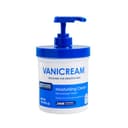
Sensitive skin is not a single condition, and that is precisely why the ranking starts with exclusions. Whatever is irritating you — rosacea, eczema, a compromised barrier from too much acid, or genuine contact allergy — a shorter ingredient list gives the reaction fewer places to come from. That is the whole case for Vanicream: it is the cream dermatologists tend to fall back on when the plan is to strip a routine down to nothing and rebuild it, and the formulation notes on our own listing are mostly a list of what is not in it. The honest trade-off is that you get no ceramide or niacinamide bonus, and the sealing finish feels heavy to some people. If your skin is reactive but not allergy-prone, that trade is worth questioning — which is why it is not the only pick.
2. Whether it rebuilds the barrier or just sits on it
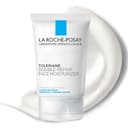
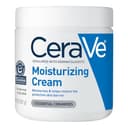
A moisturizer works through three mechanisms, and the published review literature on moisturizers separates them cleanly: humectants such as glycerin and hyaluronic acid pull water into the outer layer, emollients fill the gaps between cells so skin feels smooth, and occlusives slow the water leaving. Barrier-repair creams go one step further by supplying the lipids the barrier is short of. Toleriane Double Repair carries ceramide-3 plus niacinamide, the vitamin with a well-reviewed record for barrier function and for calming redness, in a 75 mL tube light enough for mornings. CeraVe Moisturizing Cream carries ceramides 1, 3 and 6-II and hyaluronic acid in a 340 mL tub for a fraction of the price per mL, which is why it takes the value slot rather than a lower rank. If ceramides are the specific thing you are shopping for, our best ceramide moisturizers page ranks the same shelf on that one criterion.
3. Itch is a different problem from dryness
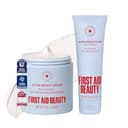
Skin that is dry is uncomfortable; skin that is dry and itchy is inflamed, and the two want different creams. First Aid Beauty Ultra Repair Cream earns its place on one ingredient: colloidal oatmeal, which the FDA recognizes as a skin protectant and which is the reason this whipped cream gets recommended for eczema-prone skin over a plain ceramide cream. It costs clearly more than CeraVe or Cetaphil and it is too heavy for anyone breaking out, both of which we would rather say plainly than bury. If flushing rather than itch is your issue, start instead at actives for redness and rosacea.
4. Texture, because the cream you skip does nothing
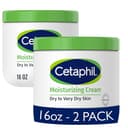
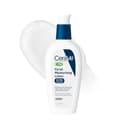
The last criterion is whether you will actually use it twice a day. Rich creams are the right answer for dry, reactive skin and the wrong answer for sensitive skin that is also oily — a real combination, and the one most lists ignore. CeraVe PM Facial Moisturizing Lotion is the pick there: ceramides and niacinamide in an almost weightless 89 mL lotion that sits willingly on top of a retinoid or a BHA. Cetaphil Moisturizing Cream is the honest toss-up with CeraVe's tub — same price bracket, same rich finish, fewer barrier-matching ceramides — and texture preference is a legitimate tiebreaker rather than a cop-out.
How to use a moisturizer on reactive skin
Apply it to skin that is still damp. The AAD's own dry-skin guidance is specific about this: moisturizer applied within a few minutes of washing traps the water still on the surface, which is why the same cream feels different at the sink than it does twenty minutes later. Use more than you think you need, and use it morning and night rather than only when skin feels tight — on a compromised barrier, the point is to stop the loss, not to respond to it.
Two mistakes are worth naming. The first is treating moisturizer as the step that will fix irritation while leaving the thing causing it in place; if an acid or a retinoid is stinging, the fix is frequency, not a thicker cream. The second is changing everything at once when skin reacts, which leaves you with no idea what the culprit was. Our barrier repair guide lays out the two-week reset, and how to patch test is the three-day habit that makes the next new product a much smaller gamble.
Where this fits with the rest of a sensitive-skin routine
Moisturizer is the second decision, not the first. The cleanser sets how much irritation everything after it has to absorb, and on reactive skin a stripping wash undoes a good cream twice a day — the four non-foaming options are ranked in best gentle cleansers for sensitive skin. After that, the actives themselves need the sensitive-skin version rather than the strongest one: a retinol for sensitive skin at a low stated dose, a vitamin C serum for sensitive skin in a gentler derivative form, and the larger-molecule acids rather than glycolic. The full cross-ingredient picture is in best actives for sensitive skin.
One more pairing is worth knowing about if you are on a retinoid: the same creams do double duty as a buffer, applied before or after the retinol to take the edge off the adjustment weeks. The order and the sandwich method are covered in best moisturizer to use with retinol, which ranks a longer list for that single job.