Niacinamide and Tretinoin Together
Yes — and it is one of the few pairings with a mechanism behind it rather than a marketing story: niacinamide works on the exact barrier problems tretinoin causes. The order, the timing, and the one claim to ignore.
How this is funded: we earn a commission if you buy through our links, at no extra cost to you. It never changes which product we recommend, and we’ll tell you when we’d skip one. Full disclosure.
Yes, you can use them together, and you probably should. Niacinamide first, let it absorb, tretinoin on top, moisturizer last — same night, every night you use the tretinoin. This is one of the few pairings in skincare with an actual mechanism behind it rather than a story: tretinoin’s side effects are dryness, flaking, redness and a strained barrier, and the reviewed evidence for niacinamide is specifically about barrier function, the skin’s own ceramide production and inflammation. One ingredient is causing the problem the other one treats.
Why the pairing makes sense
Tretinoin is prescription retinoic acid — the active form, delivered directly, which is what separates it from the over-the-counter retinol that has to convert in the skin first. The AAD’s own explainer draws that line clearly, and the retinoid trial literature on photoaging is built on the prescription strengths. The price of that potency is the adjustment phase: dryness, visible flaking, tightness and stinging, concentrated in the first weeks and the reason a large share of people quit before the drug has done anything.
Niacinamide, meanwhile, is the ingredient whose reviewed evidence reads like a list of those complaints in reverse. The mechanistic review of nicotinamide in skin covers barrier repair, stimulation of ceramide synthesis and anti-inflammatory activity; the most-cited clinical anchor, Bissett’s work on facial skin appearance, used 5% niacinamide over twelve weeks and reported improvement in fine lines, hyperpigmented spots, red blotchiness and texture. We are not aware of a trial that tested the two products side by side as a combination, so the honest framing is mechanistic rather than proven: the pairing is sensible and widely used, not clinically validated as a pair.
The deactivation myth, settled
The claim is that niacinamide converts to nicotinic acid and neutralizes the retinoid, or causes flushing. The conversion is real chemistry and it is also irrelevant here: it needs heat and time, in a container, usually at an unfavourable pH. It is not what happens on your face in the minute between two layers. The practical proof is on the shelf — several products, including one of the retinol serums we rank, put encapsulated retinol and niacinamide in the same formula on purpose, which a formulator would not do if the two cancelled each other out.
Brand conflict lists are not much help on this, because they are written for liability rather than for you. The Ordinary’s own listings tell you not to pair several of its actives with “niacinamide powder” — which is a different proposition from a formulated, buffered serum at a near-skin pH. Our review of its 10% niacinamide serum goes through that list item by item.
The order, in practice
The AAD’s general guidance on product order is thinnest to thickest, with treatment before moisturizer. Applied to this pairing, the default night routine is:
- Gentle cleanser, patted dry.
- Niacinamide serum. Give it a minute to absorb.
- Tretinoin, pea-sized for the whole face, avoiding the eyelids and nostril creases.
- Moisturizer, generously.
If the tretinoin stings or your skin is in the peeling phase, swap to the sandwich: moisturizer first, tretinoin on top of it, then a second layer of moisturizer. That slows delivery slightly and it is the standard rescue move — detailed, with the retinol version of the same problem, in niacinamide and retinol and in how to use retinol without the flaking. Using a moisturizer that already contains niacinamide and ceramides collapses two steps into one, which is why a niacinamide night lotion is among the picks below.
What to expect, week by week
Weeks one to four are the uncomfortable part: dryness and flaking, usually worst around the mouth and nose. Niacinamide and a ceramide cream make that milder, not absent. Weeks four to twelve are when texture starts looking better. Anything you are hoping for in terms of lines or sun-damaged skin is a months-long proposition, consistent with the retinoid photoaging literature rather than with before-and-after photos posted at day ten.
Three things to avoid during those first weeks. Do not add an exfoliating acid — that is the pairing that genuinely compounds irritation, unlike niacinamide. Do not increase the tretinoin frequency because “it is not working yet”. And do not skip sunscreen: retinoids raise sun sensitivity, and an unprotected morning undoes the point of the whole routine. If things have gone past uncomfortable into sore, stop the tretinoin for a few days and follow the reset in how to repair your skin barrier.
One thing this page cannot do for you
Tretinoin is a prescription drug and your prescriber’s instructions outrank anything written here, including on strength, frequency and pregnancy. What is safely general is the supporting half of the routine: niacinamide, a barrier moisturizer and a daily sunscreen are the three things that make a prescription retinoid tolerable, and they are the part you buy yourself. If you are deciding whether you need the prescription at all, the honest comparison is in retinol vs tretinoin.
General guidance, not medical advice. Actives & Acids is written by a skincare enthusiast, not a dermatologist. For a diagnosis, a reaction, or a prescription active like tretinoin, see a qualified professional. Introduce any new active slowly and patch-test first.
What we'd actually buy
Chosen from the same registry as our roundups, on published formulation facts rather than hands-on testing — here is exactly what we do instead.
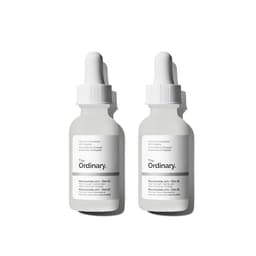
The Ordinary
Niacinamide 10% + Zinc 1%
The cheapest way to put a stated 10% niacinamide under a prescription retinoid, at a brand-stated pH of 5.00 to 6.50 — close to skin's own, which is the relevant fact when you are layering it with a drug. Apply it first, let it dry, then the tretinoin.
Read the full review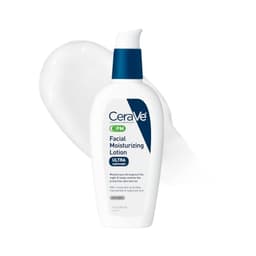
CeraVe
PM Facial Moisturizing Lotion
The buffer most dermatology offices end up recommending: ceramides and niacinamide in an almost weightless night lotion. Use it under the tretinoin as a sandwich layer, or over the top as the moisturizer — either way one product covers both jobs.
See the ceramide creams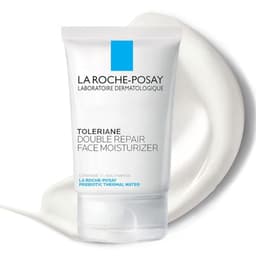
La Roche-Posay
Toleriane Double Repair Face Moisturizer
For the daytime half, when tretinoin has left your skin tight and flaky: ceramide-3 plus niacinamide in a cream light enough to wear under sunscreen. Fragrance-free, which matters when your barrier is already being pushed.
See the sensitive-skin creamsPrice as of October 5, 2026. #ad How we’re funded
Frequently asked questions
Can you use niacinamide and tretinoin together?
Yes. There is no chemical conflict, and the pairing makes sense: tretinoin's side effects are dryness, flaking, redness and a stressed barrier, and niacinamide's reviewed evidence is specifically about barrier function, ceramide production and inflammation. Most people use the niacinamide first and the tretinoin on top, or use a niacinamide-containing moisturizer as the buffer underneath.
Does niacinamide deactivate tretinoin?
No. The claim comes from a misreading: niacinamide can convert to nicotinic acid, which flushes skin, but that conversion needs heat and time in a container — it is not what happens in the seconds between two layers on your face. Plenty of formulations put a retinoid and niacinamide in the same bottle deliberately.
Should I use them at the same time or on different nights?
The same night is fine, and alternating is unnecessary unless you are reacting. Niacinamide is not an exfoliant and does not add to tretinoin's irritation the way an acid does. If anything it is the product you want present on the nights tretinoin is working hardest.
What order do they go in?
Thinnest to thickest, treatment before moisturizer — the AAD's own general guidance on product order. In practice: cleanse, niacinamide serum, let it absorb for a minute, tretinoin, then moisturizer. If the tretinoin stings, invert the buffering step: moisturizer first, tretinoin on top of it, which slows the delivery slightly.
Will niacinamide stop tretinoin from peeling my skin?
It helps, it does not prevent. The peeling phase is tretinoin doing what it does to cell turnover, and no supporting ingredient cancels that. What niacinamide and a ceramide moisturizer do is shorten and soften it, and make it survivable enough that you stay on the drug — which is the part that determines whether you ever see results.
Is 10% niacinamide too strong to use with tretinoin?
It is more than the evidence calls for rather than dangerous. The most-cited facial-appearance trial used 5%, and the stinging and flushing complaints cluster at the higher percentages. If your skin is already irritated from tretinoin, a 5% product or a niacinamide-containing moisturizer is the gentler way to get the same ingredient.
Can I use niacinamide with adapalene or retinol instead?
Yes, identically. The reasoning does not depend on which retinoid you are using — it depends on the fact that every retinoid stresses the barrier while it works. Our niacinamide and retinol guide covers the over-the-counter version of this question.
Sources
- Mechanistic Basis and Clinical Evidence for Nicotinamide (Niacinamide) in Skin (PMC) — Review of niacinamide's barrier, ceramide and pigmentation effects (accessed July 17, 2026)
- Niacinamide: A B vitamin that improves aging facial skin appearance (PubMed) — Bissett et al. — 5% niacinamide improves wrinkles, spots and texture (accessed July 17, 2026)
- American Academy of Dermatology — Retinoid or retinol? — AAD on the difference between prescription retinoids and OTC retinol (accessed July 17, 2026)
- The use of retinoids in the treatment of photoaging (PubMed) — Clinical-trial evidence for topical retinoids in photoaging (accessed July 17, 2026)
- American Academy of Dermatology — Should I apply my skin care products in a certain order? — AAD on the order to apply cleanser, treatment, moisturizer and sunscreen (accessed July 17, 2026)
- Moisturizers — StatPearls (NCBI Bookshelf) — Reference on humectants (hyaluronic acid), occlusives and emollients (accessed July 17, 2026)
Keep reading
Niacinamide and retinol together
The same pairing with the over-the-counter retinoid, including the sandwich method in detail.
Read the guideRetinol vs tretinoin
Same family, very different strength and legal status — when over-the-counter is enough.
Compare themRetinol vs niacinamide
If you are still choosing rather than combining: what each ingredient is honestly for.
Compare themBest niacinamide serums
Four niacinamides ranked on stated percentage, zinc content and pH.
See the picksBest moisturizer to use with retinol
The creams that get people through the adjustment weeks, ranked for buffering.
See the picksHow to layer actives
Where this pairing sits in a whole routine, and which combinations genuinely do conflict.
Read the guide