How to build a routine for redness-prone skin
The whole strategy is to calm and protect, not to exfoliate and treat. Reactive skin usually gets worse when it’s pushed with strong actives, hot water, fragrance and physical scrubs, so the routine strips back to essentials: a gentle cleanser, one soothing active, a barrier moisturizer and daily SPF. Introduce anything new one product at a time, patch test first, and give your skin the benefit of doing less. If a product stings on more than the first use or two, that’s your answer — drop it.
Why azelaic acid is the active of choice
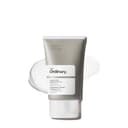
Of all the actives on this site, azelaic acidis the one best suited to redness-prone skin. It’s gentle, and it works on several of the exact things that bother reactive skin at once: it helps calm the look of redness, evens tone and fades post-breakout marks, and keeps pores clearer — all without the sting of a glycolic or the intensity of a retinoid. The stated 10% suspension is an inexpensive, well-known way to get it. Introduce it slowly — every other day at first — and it’s one of the few “treatment” steps reactive skin generally tolerates. Our best azelaic acid roundup compares the options, and azelaic vs mandelic acid covers the other gentle route.
Sun protection is non-negotiable
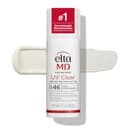
Sun exposure is one of the most common redness triggers, which makes daily sunscreenthe single most important step for redness-prone skin — more important than any active. The EltaMD UV Clear SPF 46earns its place because it’s built on gentle zinc oxide and includes niacinamide, which supports the barrier and is a common recommendation for reactive, redness-prone skin. Mineral-leaning, fragrance-free formulas tend to suit this skin best; a pure mineral option is worth considering if chemical filters sting. Reapply, and don’t skip it on cloudy days.
Support the barrier, calm the flare-ups
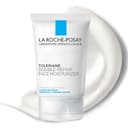
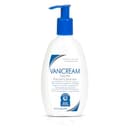
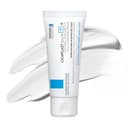
Redness-prone skin usually has a more fragile barrier, so a ceramide-and- niacinamide moisturizer like the La Roche-Posay Toleriane Double Repair does a lot of quiet work: it reinforces the barrier so skin reacts less to everything. Pair it with the most stripped-back cleanseryou can find — the Vanicream Gentle Cleanserleaves out fragrance, dyes and the usual contact allergens — and keep a soothing balm like Cicaplast B5 on hand for the raw, flaky or wind-burned patches that reactive skin gets. Together these three are the calm foundation the whole routine rests on. For more, see how to repair your skin barrier and best actives for sensitive skin.
What to avoid
Just as important as what to use is what to skip. For redness-prone skin, be wary of fragrance, physical scrubs, strong acids like high-strength glycolic, high-strength retinoids, hot water and anything that leaves skin tight or stinging. That doesn’t mean actives are off limits forever — it means introducing them cautiously and reading your skin honestly. When in doubt, do less.