How we ranked these
1. How hard the surfactants work
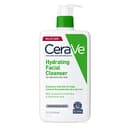
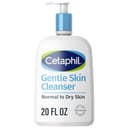
A cleanser cleans by surrounding oil and grime with surfactants so water can carry them away. The problem is that your barrier is partly made of oil, so a surfactant strong enough to strip sebum takes some of the barrier with it — which is what the tight, squeaky feeling actually is. The AAD's own face-washing guidance is built around this: use a mild, non-abrasive cleanser, apply it with fingertips rather than a cloth or scrub, and rinse with lukewarm water. The ranking follows that logic. The two non-foaming lotions — CeraVe Hydrating and Cetaphil Gentle Skin Cleanser — dissolve grime rather than lift it with lather, which is why they suit dry and reactive skin twice a day.
2. What it leaves behind
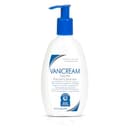
This is where the four separate. A cleanser is on your skin for under a minute, so nothing in it does much treating — but it can deposit lipids on the way out. CeraVe Hydrating leaves ceramides 1, 3 and 6-II plus hyaluronic acid and niacinamide, which is the practical reason it outranks Cetaphil for dry sensitive skin despite the two doing much the same cleaning. Cetaphil relies on glycerin and mild surfactants with fewer added ceramides, and it comes in a 591 mL bottle — the best value here by a wide margin, and a genuine toss-up with CeraVe for most people. Vanicream leaves nothing behind at all, and that is the point of it: it is picked for what it omits, not for what it adds.
3. Sensitive skin that is also oily
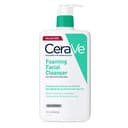
Non-foaming lotions are the right answer for dry reactive skin and the wrong one for a face that is reactive and oily, where a lotion cleanser leaves a film that feels like it did not work. CeraVe Foaming Facial Cleanser is the pick there. It is a real gel-to-foam wash — it will clear sunscreen and a day's oil — but it carries the same three ceramides and niacinamide, which is why it does not finish tight the way a cheap foaming wash does. The honest caveat our own listing carries is that it is too drying for genuinely dry skin, so this is a pick for one skin type rather than a general upgrade.
4. What we did not reward
Three things that get marketed at sensitive skin earned nothing in this ranking. Foaming power, because lather is a surfactant effect and not a cleaning benefit. Botanical extracts, because the ones associated with contact reactions are plant-derived as often as not. And exfoliating beads or cloths, which the AAD's guidance advises against for the same reason it recommends fingertips: mechanical abrasion on reactive skin adds irritation without adding cleaning.
How to wash sensitive skin
Twice a day at most, and once is enough for many people with dry reactive skin — a morning rinse with water alone is a legitimate choice. Use lukewarm water rather than hot, apply with your fingertips, and keep the whole business to under a minute. Then moisturize while the skin is still damp; the AAD's dry-skin guidance puts the cream within a few minutes of the wash, because at that point it traps the water already on the surface. The creams we would pair with any of these are ranked on the same fragrance-free filter.
If you wear sunscreen daily — and on any actives routine you should — one pass of a gentle cleanser genuinely may not remove all of it, and both Vanicream and Cetaphil say as much in their own trade-offs. The fix is a second pass with the same cleanser rather than a stronger product. That is also the moment to stop blaming your moisturizer for congestion that is really unremoved sunscreen.
Where the cleanser sits in an actives routine
It sits first, and it sets your irritation budget for everything after. A stripping wash plus a leave-on acid plus a retinoid is the commonest route to a damaged barrier, and the cleanser is the cheapest of the three to fix. If you are currently reacting to your routine, swap to one of the two non-foaming picks above before you change anything else, then follow the sequence in how to repair your skin barrier. When things are calm again, reintroduce actives one at a time in the order set out in skincare routine order, and keep the acid at the frequency your skin tolerates rather than the one on the bottle. Readers with acne rather than sensitivity are better served by the medicated washes on best face wash for acne.