The Ordinary, Decoded: Which Product for Which Concern
A wall of identical dropper bottles named after chemicals, with no explanation on any of them. This is the translation — by concern, not by ingredient list.
How this is funded: we earn a commission if you buy through our links, at no extra cost to you. It never changes which product we recommend, and we’ll tell you when we’d skip one. Full disclosure.
The Ordinary sells actives the way a chemical supplier would: identical bottles, names that are just the ingredient and its percentage, and essentially no explanation of what any of it is for. That is a genuine editorial virtue — this is a site built on the argument that a published concentration is worth more than a marketing claim, and The Ordinary publishes more numbers than almost anyone. It is also why people buy six bottles, use them all at once, and end up with a wrecked barrier and a shelf of things they cannot identify.
This page is the translation. Not by ingredient list, which the brand already gives you, but by the thing you actually walked in with.
Start here: by concern
| Your concern | The bottle | Why that one |
|---|---|---|
| Oily, shiny, congested | Niacinamide 10% + Zinc 1% | Oil regulation, redness and barrier support in one cheap step |
| Blackheads & blocked pores | Salicylic Acid 2% Solution | Oil-soluble, so it works inside the pore rather than on top of it |
| Redness & post-breakout marks | Azelaic Acid Suspension 10% | Anti-inflammatory and selective on overactive pigment cells |
| Dark spots & dullness | Vitamin C Suspension 23%, or azelaic acid | Two different points in the pigment chain; azelaic is the gentler |
| Fine lines & texture | Retinol 0.5% in Squalane | A printed dose, in a range you can climb deliberately |
| Rough, dull surface | Glycolic Acid 7% Toner or Lactic Acid 10% | Surface AHAs; lactic is the slower, more hydrating one |
| Sensitive skin, wants an acid | Mandelic Acid 10% + HA | The largest AHA molecule, so the slowest and least aggressive |
| Tight, dehydrated skin | Hyaluronic Acid 2% + B5 | A humectant, not a treatment — seal it with a moisturizer |
| Firmness, no irritation tolerance | Multi-Peptide + HA Serum | Comfortable and unproven — a gentle addition, not a retinol substitute |
The four you are most likely to actually need
Niacinamide 10% + Zinc 1%is the default recommendation for a reason. It is cheap, it does several useful things at once — oil, redness, barrier, the appearance of pores — and it conflicts with almost nothing, which makes it the safest thing to add to an existing routine. Worth knowing that the published research on niacinamide used concentrations around 2–5%, so 10% already has headroom; you are not missing out by not buying a 12%. We read the bottle ingredient by ingredient, against the trials, in our Niacinamide 10% + Zinc 1% review.
Azelaic Acid Suspension 10%is the brand’s most under-appreciated bottle. It handles redness, inflamed bumps and the brown marks left behind after they heal, and it is gentle enough for skin that finds most actives too much. Its one real flaw is the texture — a thick, slightly silicone-y suspension that can pill under sunscreen. We read this one line by line too, including how a 10% measures up against the 15% and 20% prescription strengths, in our Azelaic Acid Suspension 10% review.
Retinol 0.5% in Squalane is the anti-aging pick, and the clearest example of why this brand deserves the credit it gets. The percentage is on the label, the same product exists at 0.2% and 1%, and the squalane base takes some of the edge off. Nearly every drugstore retinol competitor refuses to tell you what is in the bottle.
Lactic Acid 10% + HAis where to start with acids — not the peeling solution. It exfoliates and hydrates at the same time, at a stated strength, and is far less likely to end in a barrier repair project. More on the ingredient at lactic acid benefits. The step up from it is the Glycolic Acid 7% Exfoliating Toner, the brand’s biggest-selling acid and the one most responsible for its over-exfoliation stories — we read all forty-two of its ingredients, and where a 7% at pH 3.6 sits against the US and EU consumer limits, in our Glycolic Acid 7% Toner review.
The ones to be careful with
AHA 30% + BHA 2% Peeling Solution.This is a short-contact peel, not a serum: ten minutes, once a week at the absolute most, and genuinely not for sensitive skin, for anyone using a retinoid, or for anyone new to acids. It is responsible for most of the brand’s horror stories, and almost every one of them is a frequency problem. If you want a weekly reset and you are not sure whether you qualify, you do not.
Vitamin C Suspension 23% + HA Spheres 2%.Potent, stable in a waterless base, and gritty — it is a suspension of vitamin C particles, which some people find unpleasant and abrasive. It can also sting. If you want vitamin C and this texture puts you off, that is a normal reaction, and a smoother serum from another brand is a legitimate answer — see best vitamin C serums.
Anything you bought because it was cheap. The pricing makes it trivially easy to buy five actives at once, and that is the actual risk with this brand. Five single-ingredient bottles is not a routine; it is five variables you cannot untangle when your face reacts.
How to actually build a routine out of it
Single-ingredient products mean you assemble the routine yourself, which is the freedom and the trap. Three rules cover most of it.
One new active at a time, four to six weeks apart. Long enough to know whether it suits you, and long enough that when something flares you can name the culprit.
Do not stack the strong ones. Acid and retinoid on separate nights. One exfoliating acid, not two. Vitamin C in the morning, retinoid at night, is the arrangement most people converge on. The full map is at how to layer actives.
Buy the boring parts elsewhere.The Ordinary is an actives brand. A complete routine still needs a gentle cleanser, a proper moisturizer and a sunscreen you will actually wear, and those are not what this brand is for — our ceramide moisturizer picks cover the barrier step. A shelf of nine actives with no sunscreen is a worse routine than one niacinamide and an SPF.
Where this brand genuinely wins — and where it does not
It wins on disclosure. Printed percentages, plain INCI, no invented complexes with trademark symbols. On a site that treats “not published” as a finding rather than a gap, that matters, and it is why so many of this brand’s bottles turn up in our roundups.
It does not win on elegance— several formulas are gritty, tacky or prone to pilling, and texture is a real reason people stop using a product. It does not win on guidance: naming a product after its chemistry and leaving the customer to work out the rest is exactly why a page like this needs to exist. And it does not win on strength for acne: for persistent inflammatory acne, adapalene and benzoyl peroxide are cheap, available everywhere, and better supported than anything on this shelf — our acne treatment picks cover them.
Buy the transparency. Ignore the temptation to buy nine bottles because each one costs less than lunch.
General guidance, not medical advice. Actives & Acids is written by a skincare enthusiast, not a dermatologist. For a diagnosis, a reaction, or a prescription active like tretinoin, see a qualified professional. Introduce any new active slowly and patch-test first.
What we'd actually buy
Chosen from the same registry as our roundups, on published formulation facts rather than hands-on testing — here is exactly what we do instead.
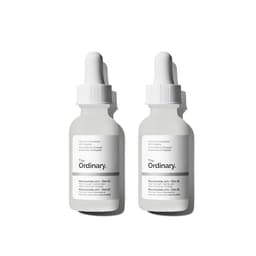
The Ordinary
Niacinamide 10% + Zinc 1%
If you buy one Ordinary product and are not sure what you need, buy this. Oil, redness, congestion and barrier support in one cheap bottle, and almost nothing conflicts with it.
See it ranked in fullPrice as of October 15, 2026. #ad How we’re funded
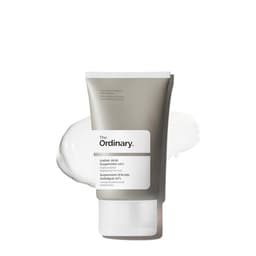
The Ordinary
Azelaic Acid Suspension 10%
The one for redness and the marks left behind by breakouts — gentle enough for reactive skin, and it treats the cause and the consequence together.
See it ranked in fullPrice as of October 15, 2026. #ad How we’re funded
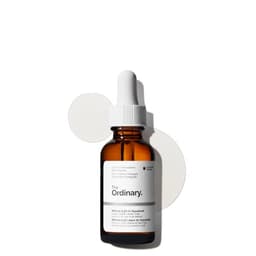
The Ordinary
Retinol 0.5% in Squalane
The anti-aging pick, and the one that shows the brand at its best: a printed 0.5% in squalane, sold alongside 0.2% and 1% so you can climb on purpose.
See it ranked in fullPrice as of October 15, 2026. #ad How we’re funded
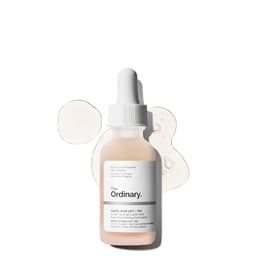
The Ordinary
Lactic Acid 10% + HA
The forgiving exfoliant. A printed 10% lactic acid with hyaluronic acid in the base — where to start with acids instead of the peeling solution.
See it ranked in fullPrice as of October 15, 2026. #ad How we’re funded
Frequently asked questions
Which The Ordinary product is best for dark spots?
Azelaic Acid Suspension 10% for defined marks and post-breakout pigmentation, because it acts on overactive pigment cells rather than lightening skin broadly. For general dullness and uneven tone, a vitamin C is the more direct brightener — the brand's 23% suspension is potent but has a gritty texture that not everyone gets on with. Whichever you pick, daily sunscreen decides whether it works.
Which The Ordinary product is best for acne?
Salicylic Acid 2% Solution if your problem is blackheads and congestion, because a BHA gets inside the pore. Azelaic Acid Suspension 10% if it is inflamed spots plus the marks they leave. For persistent inflammatory acne, the honest answer is that neither is as strong as adapalene or benzoyl peroxide, which are cheap and sold everywhere.
Which The Ordinary product is best for wrinkles?
Retinol 0.5% in Squalane, and the reason is the label rather than the formula being magic: the percentage is printed, and the same product exists at 0.2% and 1% so you can climb strengths deliberately. Retinoids have the deepest evidence base of any over-the-counter anti-aging ingredient. The peptide serum is gentler and considerably less proven.
Is The Ordinary's AHA 30% + BHA 2% Peeling Solution safe to use?
It is a strong, short-contact peel, not a routine product — a ten-minute weekly treatment at most, and one plenty of people should skip entirely. If your skin is sensitive, if you are using a retinoid, or if you are new to acids, start with a 5-10% lactic or a 2% BHA instead. The peel is the product most responsible for the brand's reputation for chemical burns, and almost always because it was used too often.
How many The Ordinary products should I use at once?
One new one at a time, four to six weeks apart. The brand's pricing makes it easy to buy six bottles for the cost of one department-store serum, and that is exactly the trap — six single-ingredient actives introduced in a week is how people end up with a damaged barrier and no idea which product caused it. A complete routine needs a cleanser, one or two actives, a moisturizer and sunscreen.
Sources
- Mechanistic Basis and Clinical Evidence for Nicotinamide (Niacinamide) in Skin (PMC) — Review of niacinamide's barrier, ceramide and pigmentation effects (accessed July 17, 2026)
- Vitamin C in dermatology (PMC) — Telang — review of topical vitamin C forms, stability and photoprotection (accessed July 17, 2026)
- American Academy of Dermatology — Retinoid or retinol? — AAD on the difference between prescription retinoids and OTC retinol (accessed July 17, 2026)
- U.S. FDA — Alpha Hydroxy Acids — FDA on AHAs and increased sun sensitivity (accessed July 17, 2026)
- A Comprehensive Review of Azelaic Acid: Pharmacological Properties, Clinical Applications and Topical Formulations (PMC) — Review of azelaic acid's action on pigmentation, inflammation and acne (accessed August 19, 2026)
Keep reading
The Ordinary Salicylic Acid 2% Solution review
Which of the brand's three salicylic acids is which, and what the label actually says.
Read the reviewActives for beginners
If this is your first routine, start here — what to add, in what order, and how long to wait between additions.
Read the guideHow to layer actives
The conflict map for a shelf of single-ingredient bottles — what stacks, what alternates, what stays apart.
Read the guideHow to build a skincare routine
The structure the products go into: cleanser, treatment, moisturizer, SPF, and nothing you don't need.
Read the guideBest actives for dark spots
The cross-brand shortlist for uneven tone, if you would rather not restrict yourself to one label.
See the picksCommon skincare mistakes
Including the one this brand makes easy: buying six actives at once because they are cheap.
Read the guideThe Ordinary Niacinamide 10% + Zinc 1% review
The brand's best-known bottle read ingredient by ingredient against the trials — what the 10% and the zinc are actually evidenced to do.
Read the reviewThe Ordinary Azelaic Acid Suspension 10% review
The brand's most under-appreciated tube, read off its seventeen-ingredient label and the two FDA-approved azelaic acid drug labels — and the silicone-suspension problem explained.
Read the reviewThe Ordinary Glycolic Acid 7% Toner review
The brand's biggest-selling acid, read off its forty-two-ingredient label: the published pH band, the US and EU consumer AHA limits it sits between, and the vasodilator in the formula.
Read the review