Actives & Acids

Benzoyl Peroxide Alternatives

Five picks for anyone done with bleached pillowcases and peeling skin, ranked by which of benzoyl peroxide's three jobs you are actually replacing - and the one job only one of them does.

By Stephen V.Last updated How we pick

The best single swap, and the one with an acne label on the box, is Differin Adapalene Gel 0.1%. If what you want replaced is benzoyl peroxide’s antibacterial side, the only pick here with published antimicrobial evidence behind it is The Ordinary Azelaic Acid Suspension 10%. And the budget pick, at a few dollars, is The Ordinary Salicylic Acid 2% Solution— which is the right answer if blackheads rather than inflamed spots sent you looking.

First, what you are replacing, because this page is not an argument against it. Benzoyl peroxide is one of the few acne actives the 2024 AAD acne guideline backs with a STRONG recommendation, and nothing below carries a stronger one. It is also cheap, sold everywhere, and it does not drive bacterial resistance the way a topical antibiotic does. The reasons to leave are real but narrow: it bleaches towels, pillowcases and clothing permanently, it dries and peels a lot of skin, and some people simply cannot settle on it. Every price below is live and dated from our own price layer; we own no units, and our method is how we pick.

How this is funded: we earn a commission if you buy through our links, at no extra cost to you. It never changes which product we recommend, and we’ll tell you when we’d skip one. Full disclosure.

Quick picks

Ranked on formulation, stated concentration and buyer fit. Select a row to jump to the full write-up. We have not tested these products — here is exactly what we do instead.

#ProductBest forPrice
1
Differin Adapalene Gel 0.1%

Differin Adapalene Gel 0.1%

The first prescription-strength topical retinoid to reach US drugstore shelves — a labeled 0.1% adapalene with strong evidence for acne. It's a retinoid, so expect a break-in period and treat it accordingly.

Best overall, and the only one with an OTC acne drug label
$23.97 · View on Amazon

Price as of November 21, 2026. #ad How we’re funded

2
The Ordinary Azelaic Acid Suspension 10%

The Ordinary Azelaic Acid Suspension 10%

A multitasker with real evidence behind it for redness, bumps and post-acne marks — and one of the rare actives usually safe for rosacea-prone skin. A labeled 10%, for a handful of dollars.

Best on the antibacterial job
$12.20 · View on Amazon

Price as of November 21, 2026. #ad How we’re funded

3
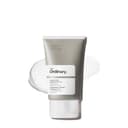
The Ordinary Salicylic Acid 2% Solution

The Ordinary Salicylic Acid 2% Solution

An oil-soluble BHA that slips down into pores, at a labeled 2% and a rock-bottom price. The budget way to target blackheads and congestion with a leave-on salicylic acid.

Best for blackheads, and the budget pick
$6.70 · View on Amazon

Price as of November 21, 2026. #ad How we’re funded

4
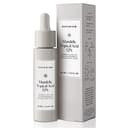
Naturium Mandelic Topical Acid 12%

Naturium Mandelic Topical Acid 12%

The strongest stated mandelic acid on the shelf, with niacinamide and vitamin E alongside it. The 12% is the reason to buy it; the niacinamide is the reason it is tolerable at that strength, and the reason to check what else is already in your routine.

Best for sensitive or deeper skin tones
$16.00 · View on Amazon

$19.9920% off

Price as of November 21, 2026. #ad How we’re funded

5
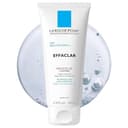
La Roche-Posay Effaclar Medicated Gel Cleanser (2% Salicylic Acid)

La Roche-Posay Effaclar Medicated Gel Cleanser (2% Salicylic Acid)

A salicylic-acid wash aimed at congestion and blackheads. Since BHA in a cleanser is gone in under a minute, think of it as a gentle assist rather than a substitute for a leave-on exfoliant.

Best wash-off swap
$18.99 · View on Amazon

Price as of November 21, 2026. #ad How we’re funded

The picks in full

#1Best overall, and the only one with an OTC acne drug label

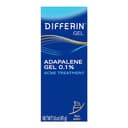
Differin Adapalene Gel 0.1%

The first prescription-strength topical retinoid to reach US drugstore shelves — a labeled 0.1% adapalene with strong evidence for acne. It's a retinoid, so expect a break-in period and treat it accordingly.

Strengths

  • A disclosed 0.1% adapalene — the first prescription-strength retinoid to go OTC in the US
  • Backed by strong clinical evidence against acne
  • Fragrance-free gel at a reasonable, drugstore price

Trade-offs

  • Expect an initial purge and dryness for the first several weeks
  • It raises sun sensitivity, so daily SPF is non-negotiable
  • Not for use during pregnancy — check with a professional first
Key activeAdapalene (synthetic retinoid)
Stated concentration0.1%
FormatLight gel
Fragrance-freeYes
Best forAcne-prone, Resilient

Formulation note. A 0.1% adapalene gel — a synthetic retinoid with strong published support for acne. Because it's a retinoid, it doesn't belong on the same night as other retinoids or strong acids, and the early purge, dryness and sun sensitivity are part of the deal.

Ingredients and claims read from the product listing, on July 18, 2026. “Not published” means the brand does not state that figure.

#2Best on the antibacterial job

The Ordinary Azelaic Acid Suspension 10%

A multitasker with real evidence behind it for redness, bumps and post-acne marks — and one of the rare actives usually safe for rosacea-prone skin. A labeled 10%, for a handful of dollars.

Strengths

  • A disclosed 10% azelaic acid with solid evidence for redness and pigmentation
  • Usually well-tolerated by rosacea-prone skin
  • Layers comfortably with most other actives

Trade-offs

  • The silicone suspension has a distinctive, faintly grainy feel
  • Overapply it and it can pill beneath some sunscreens
Key activeAzelaic acid
Stated concentration10%
FormatSilicone cream-gel
Fragrance-freeYes
Best forRosacea-prone, Blemish-prone, Sensitive

Formulation note. 10% azelaic acid. The evidence backs it for rosacea redness, mild acne and pigmentation, and it's mild enough for reactive skin — an unusually versatile, well-tolerated active.

Ingredients and claims read from the product listing, on July 18, 2026. “Not published” means the brand does not state that figure.

#3Best for blackheads, and the budget pick

The Ordinary Salicylic Acid 2% Solution

An oil-soluble BHA that slips down into pores, at a labeled 2% and a rock-bottom price. The budget way to target blackheads and congestion with a leave-on salicylic acid.

Strengths

  • A disclosed 2% salicylic acid in a leave-on formula
  • Oil-soluble, so it works inside the pore rather than just on top
  • One of the cheapest BHAs you can buy

Trade-offs

  • Ease in 2-3 nights a week — daily from the start can over-exfoliate
  • The watery formula can feel slightly drying on its own
  • Don't stack it with retinol the same night while you're building tolerance
Key activeSalicylic acid (BHA)
Stated concentration2%
FormatWatery serum
Fragrance-freeYes
Best forOily, Blemish-prone, Congested

Formulation note. A 2% salicylic acid leave-on. Because BHA is oil-soluble, it reaches into the pore lining where water-soluble AHAs can't — which is exactly why it's the tool for blackheads and clogged pores.

Ingredients and claims read from the product listing, on July 18, 2026. “Not published” means the brand does not state that figure.

#4Best for sensitive or deeper skin tones

Naturium Mandelic Topical Acid 12%

The strongest stated mandelic acid on the shelf, with niacinamide and vitamin E alongside it. The 12% is the reason to buy it; the niacinamide is the reason it is tolerable at that strength, and the reason to check what else is already in your routine.

Strengths

  • A disclosed 12% — the highest mandelic figure we found on a live listing
  • Niacinamide and vitamin E are in the formula, so the buffering is built in rather than layered on
  • Mid-price for a 12%, from a brand already in this registry for its azelaic and niacinamide serums

Trade-offs

  • No fragrance-free claim we could verify on the brand's own page for this product
  • The published pH range on the brand's page is a general statement about its formulas rather than a product-specific spec — treat it as unconfirmed
  • Stacking a 12% AHA with niacinamide is a lot at once if you already run a niacinamide serum
Key activeMandelic acid (AHA) + niacinamide
Stated concentration12%
FormatLight serum
Fragrance-freeNot published
Best forBlemish-prone, Uneven tone, Normal

Formulation note. 12% mandelic acid with niacinamide and tocopherol in a nineteen-ingredient formula, with propanediol as the solvent and aminomethyl propanol as the buffer. The percentage is published; the pH is not published per product, which matters more at 12% than at 10% because the free-acid share is what the strength actually buys. Mandelic's larger molecule is still the reason a 12% of it stings less than a 7% glycolic.

Ingredients and claims read from the product listing, on October 24, 2026. “Not published” means the brand does not state that figure.

#5Best wash-off swap

La Roche-Posay Effaclar Medicated Gel Cleanser (2% Salicylic Acid)

A salicylic-acid wash aimed at congestion and blackheads. Since BHA in a cleanser is gone in under a minute, think of it as a gentle assist rather than a substitute for a leave-on exfoliant.

Strengths

  • A labeled 2% salicylic acid with LHA for mild exfoliation
  • Handy for keeping daily oil and congestion in check
  • Built for sensitive, breakout-prone skin

Trade-offs

  • As a rinse-off BHA it barely touches the skin, so don't expect leave-on results
  • Used daily alongside other actives, it can leave skin overdry
Key activeSalicylic acid (BHA)
Stated concentration2%
FormatGel
Fragrance-freeNo
Best forOily, Congested, Blemish-prone

Formulation note. 2% salicylic acid with LHA and glycerin. A cleanser only sits on the skin briefly, so this is a gentle daily nudge — a leave-on BHA handles the heavy work.

Ingredients and claims read from the product listing, on July 18, 2026. “Not published” means the brand does not state that figure.

Which of its three jobs are you replacing?

“Alternative” only becomes a useful word once you name the property, and benzoyl peroxide does three separable things. They lead to three different purchases, which is why a flat list of substitutes is the wrong shape for this question.

Job one: killing the bacteria. This is the hard one to replace, and it is the finding of this page. Benzoyl peroxide’s central claim is antimicrobial action against the organism implicated in inflamed acne, which is why the AAD’s overview puts it alongside retinoids as a first-choice topical and why clinicians pair it with antibiotics specifically to hold resistance down. Of everything in our registry, exactly one alternative has a published pharmacological review covering antimicrobial action as well as pigment and inflammation: azelaic acid. Salicylic acid, mandelic acid and adapalene are not antibacterials. They are very good at other things. If your acne is red, raised and inflamed rather than bumpy and congested, that distinction is the whole decision.

Job two: clearing the pore.If what benzoyl peroxide did for you was keep blackheads and closed comedones down, you have the easiest swap on this page and the cheapest. Salicylic acid is a beta hydroxy acid — the FDA’s own cosmetic ingredient page is the reference for that classification — and being oil-soluble is what lets it work inside a pore rather than on the surface of one. A 2% leave-on costs less than a coffee and does not touch your laundry. Adapalene does the same job by a different route, as a retinoid that normalizes how the pore lining sheds.

Job three: not irritating you. This is the one most people are actually here for, and it has the most uncomfortable answer. The published response to benzoyl peroxide irritation is a lower percentage, not a different molecule. Mills and colleagues compared 2.5%, 5% and 10% on inflammatory acne and found 2.5% matched the stronger two for efficacy with less irritation. If you quit a 10% wash, the evidence-led next step is a 2.5% leave-on rather than anything on this list — and we rank one at best benzoyl peroxide. We get paid either way, so we would rather say it than sell you a worse answer.

How we ranked them

1. What the guideline says, not what the bottle says. The 2024 AAD acne guideline is the backbone of this hub, and it does not treat every active equally. Benzoyl peroxide and topical retinoids carry STRONG recommendations; azelaic acid and salicylic acid are weaker, conditional recommendations. So adapalene — a retinoid, sold over the counter, in the same strong class as the product you are leaving — takes the top slot, and everything else is ranked below it on the evidence rather than on how pleasant it is.

2. Whether it is a drug or a cosmetic.This is sharper than it sounds. Adapalene 0.1% is sold in the US as an over-the-counter acne DRUG with a Drug Facts panel, and so is benzoyl peroxide. The salicylic acid solution we rank declares its active as a drug too — its brand page lists “Salicylic Acid 2% (Acne Treatment)” in a Drug Facts panel with the remaining eleven ingredients listed separately. Azelaic acid and mandelic acid at these strengths are sold as cosmetics. A cosmetic can be an excellent product; it just has not been through the same door, and a page about replacing a drug should say which of its substitutes are drugs.

3. Whether the percentage is printed.Four of the five picks publish an exact figure: adapalene 0.1%, azelaic acid 10%, salicylic acid 2% at a stated pH of 3.20–4.00, mandelic acid 12%. The cleanser publishes 2% salicylic acid. That is a well-disclosed shortlist, and it is a filter rather than a coincidence — ranking an undisclosed “blemish complex” above a printed figure is how this category misleads people.

4. Whether it will stain your bedding. None of the five will. That is not a formulation triumph, it is just the absence of an oxidizer, but it is the practical reason a lot of readers are on this page and it would be strange not to state it plainly.

5. Tolerance on sensitive and deeper skin. Mandelic acid earns its slot here on molecule size rather than on marketing: it is the largest of the common AHAs, which slows how fast it gets in, which is why it is the one this site keeps recommending for reactive skin and for anyone worried that an aggressive acid will leave a mark darker than the spot it treated.

Which one, by why you are switching

“I want the strongest thing I can still buy without a prescription.” Adapalene 0.1%. A synthetic retinoid in the same strong-recommendation class as the product you are replacing, with an actual OTC acne label rather than a cosmetic claim, in a 45 mL tube that lasts months. Expect a genuine adjustment period: dryness, flaking, and often a stretch where things look worse around weeks two to six. Start every other night. The full method is in our adapalene guide, and the direct comparison is at adapalene vs benzoyl peroxide.

“My acne is inflamed, and I need the antibacterial part back.” Azelaic acid 10%. It is the only pick here whose published review covers antimicrobial activity alongside its effects on inflammation and pigment, which is a combination no other alternative on this page offers — and the pigment half matters more than it sounds, because the marks acne leaves behind often outlast the acne. Its cons are textural rather than clinical: it is a silicone cream-gel that pills under some sunscreens. See azelaic acid for acnefor the full case, including where the guideline ranks it — and hydroquinone alternatives if the marks left behind are now bothering you more than the spots, because this is the one pick that works on both.

“It was blackheads and congestion, not big red spots.” Salicylic acid 2%, and you can stop reading here because it is also the cheapest thing on the page. Oil-soluble, so it works down inside the pore; a stated pH in the 3.20–4.00 range; a Drug Facts panel that tells you to cover the affected area one to three times daily. Its own label warns that irritation and dryness are more likely if you use another topical acne medication at the same time, which is worth reading twice if you are mid-switch. More at how to get rid of blackheads and best salicylic acid.

“Everything stings, and I scar or mark easily.” Mandelic acid 12%, with niacinamide in the same bottle. The largest common AHA molecule, which means slower penetration and a gentler ride, and the one acid this site recommends without caveat for reactive skin and for deeper skin tones where an over-aggressive exfoliant can trade a spot for a mark. It is the slowest-acting pick here; that is the trade, and it is a fair one. Full field at best mandelic acid.

“I just want it out of my leave-on routine.” Then do not replace the leave-on at all — move the active into the wash. A 2% salicylic acid gel cleanser gives you an acne active with a contact time of seconds instead of hours, which is the single easiest way to cut irritation without giving up on actives. It will do less than a leave-on. That is the point. Our full cleanser ranking is at best face wash for acne.

The thing nobody searching this expects

Benzoyl peroxide and the top pick on this page are not actually rivals, and the regulator now says so. In May 2026 the FDA approved an adapalene 0.1% plus benzoyl peroxide 2.5% combination gel for nonprescription use in people 12 and older — the first OTC adapalene and benzoyl peroxide combination in the US, per Galderma’s own announcement. The two ingredients at the center of this page are now sold deliberately co-formulated, at the low benzoyl peroxide percentage the irritation evidence points to. If your objection to benzoyl peroxide was the dose rather than the molecule, that is the most interesting development in this category in years, and it is not a product we rank, because we hold no live registry listing for it. We would rather tell you it exists.

One ordering note that follows from the same chemistry: benzoyl peroxide degrades tretinoin on contact in light, while adapalene is stable against it — the published stability work found more than 50% tretinoin degradation in about two hours. That is why adapalene can be co-formulated with benzoyl peroxide and tretinoin cannot, and it is the reason the combination above is possible at all. The practical version is in benzoyl peroxide and retinol.

What this page refuses to tell you

That any of these is as strong as benzoyl peroxide on inflamed acne. The 2024 guideline does not support that and neither do we. Adapalene shares its strong-recommendation class; azelaic acid and salicylic acid sit in a weaker, conditional one. If you have painful, deep, scarring acne, the honest advice is not a different serum — it is a clinician, because the prescription tier of this category is where that is treated.

Any home remedy or “natural” swap. Tea tree oil, honey, toothpaste, apple cider vinegar: we hold no source that publishes a usable concentration for any of them, so we cannot tell you what dose you would be applying, and a page that cannot name a dose has no business recommending one.

That you should stack these to compensate. Switching from one active to three is how a switch turns into a barrier flare, and an irritated face reads as worse acne before it reads as better. One replacement, four to six weeks, then reassess. How to layer actives covers the sequencing, and signs of over-exfoliation covers the failure mode.

That the bleaching problem is a reason to avoid benzoyl peroxide. It is a laundry problem with a laundry solution: white towels, white pillowcases, and let it dry before you get dressed. Plenty of people decide that is a fair price for a strong recommendation, and this page exists for the people who decide it is not — not to talk anyone out of it.
Frequently asked questions

What is the best alternative to benzoyl peroxide?

Adapalene 0.1%, for most people. It is the only alternative in our registry sold as an over-the-counter acne drug rather than a cosmetic, and as a topical retinoid it sits in the same strong-recommendation class as benzoyl peroxide in the 2024 AAD acne guideline. It does not bleach fabric. The trade is an adjustment period of dryness and flaking, and often a stretch around weeks two to six where skin looks worse before it improves, so start every other night rather than nightly.

Which acne alternative doesn't bleach towels and sheets?

All five picks on this page are fabric-safe — adapalene, azelaic acid, salicylic acid, mandelic acid and a salicylic acid cleanser. Bleaching is specific to benzoyl peroxide's oxidizing chemistry, and it is permanent rather than something that washes out, which is why it is one of the most common reasons people go looking for a substitute. If you would rather keep benzoyl peroxide, the workaround is mundane: white linens, and let it dry fully before it touches fabric.

Is there an alternative that kills acne bacteria like benzoyl peroxide does?

Azelaic acid is the closest, and it is the only pick here with a published pharmacological review covering antimicrobial action alongside its effects on inflammation and pigmentation. It is not presented as an equal: the 2024 AAD guideline treats benzoyl peroxide as a strong recommendation and azelaic acid as a weaker, conditional one. Salicylic acid, mandelic acid and adapalene are not antibacterials at all — they clear pores and calm inflammation, which is a different job and a real distinction if your acne is inflamed rather than congested.

Benzoyl peroxide dried out my skin. What should I use instead?

Possibly less benzoyl peroxide. The published comparison of 2.5%, 5% and 10% on inflammatory acne found 2.5% matched the stronger two for efficacy with less irritation, so the evidence-led move after quitting a 10% wash is a 2.5% leave-on rather than a different ingredient. If you would still rather change molecules, mandelic acid 12% is the gentlest pick on this page, and moving your active into a cleanser cuts contact time from hours to seconds. A better moisturizer underneath also fixes more than people expect.

Can I use adapalene and benzoyl peroxide together instead of choosing?

Yes, and as of May 2026 you can buy them pre-combined: Galderma's own announcement records FDA approval of an adapalene 0.1% plus benzoyl peroxide 2.5% gel for nonprescription use in people 12 and older, the first OTC combination of the two in the US. That is chemically possible because adapalene is stable in contact with benzoyl peroxide, unlike tretinoin, which the published stability work found degraded more than 50% in about two hours in its presence. We do not rank that combination product because we hold no live listing for it.

Is salicylic acid or azelaic acid the better swap?

It depends on what your acne looks like, and this is the most useful question on the page. Blackheads, closed bumps and congestion: salicylic acid, because it is oil-soluble and works inside the pore, and it is also the cheapest option here by a wide margin. Red, raised, inflamed spots plus the brown marks they leave behind: azelaic acid, because its published review covers antimicrobial and anti-inflammatory action as well as pigmentation. If you genuinely have both, pick one for six weeks rather than running them together.

How long before I know whether the swap worked?

Give any of these four to six weeks before judging, and do not change two things at once. Retinoids in particular get worse before they get better, so judging adapalene at week three will usually tell you to quit a product that was about to work. The exception is irritation: redness, stinging and a compromised barrier are reasons to slow down immediately rather than wait it out, and that is a frequency problem far more often than a product problem.

Sources

Keep reading