Benzoyl Peroxide and Retinol Together
The deactivation worry is real for one retinoid and not for another, and that single fact decides whether you layer them or split them across the day. The published numbers, and the honest schedule either way.
How this is funded: we earn a commission if you buy through our links, at no extra cost to you. It never changes which product we recommend, and we’ll tell you when we’d skip one. Full disclosure.
The rule most people have heard — that benzoyl peroxide destroys retinoids — is half right, and the half that is wrong is the half that matters. If your retinoid is tretinoin, do not apply it with benzoyl peroxide in the same step: benzoyl peroxide in the morning, tretinoin at night. If your retinoid is adapalene, layering is genuinely fine, which is why the two are sold in the same tube. The evidence for that distinction is specific, old and rarely quoted accurately, so here it is.
What the stability study actually found
The source everyone is paraphrasing is a 1998 British Journal of Dermatology paper from Galderma’s own research group. Commercial formulations — adapalene 0.1% gel and tretinoin 0.025% gel — were each mixed with an equal volume of a commercial 10% benzoyl peroxide lotion and exposed to light over 24 hours. The authors’ finding, in their words: “with and without exposition to light, adapalene exhibits a remarkable stability whereas tretinoin is very sensitive to light and oxidation”, and “the combination of benzoyl peroxide and light results in more than 50% degradation of tretinoin in about 2 h and 95% in 24 h”.
Two things follow. The first is that the tretinoin warning is real and quantified, not folklore — losing half your active in two hours is not a rounding error. The second is that it does not generalize to every retinoid, and treating it as though it does has sent a lot of people away from a combination the dermatology guidance actively supports.
The proof that adapalene is different: it is sold pre-mixed
You do not have to take the 1998 paper’s word for it. In May 2026 the FDA approved an adapalene 0.1% plus benzoyl peroxide 2.5% combination gel for nonprescription use in people aged 12 and over — the first over-the-counter adapalene and benzoyl peroxide combination in the US, with retail availability from that summer. No manufacturer formulates two actives into one tube if one oxidizes the other out of existence, and no regulator approves it.
That is also why the combination is worth bothering with. The AAD’s acne guidance is built around combining mechanisms rather than escalating one: benzoyl peroxide is antibacterial and reduces inflammatory lesions, a retinoid normalizes how the pore lining sheds. They treat different parts of the same problem, which is a better argument for using both than “more actives, faster results” ever was. The division of labour is set out in adapalene vs benzoyl peroxide.
Where cosmetic retinol sits in all this
Honestly: we do not have the same data for it. The stability work was done on prescription tretinoin and on adapalene, not on the cosmetic retinol in a drugstore serum. What is known is that benzoyl peroxide is a strong oxidizing agent and that retinol is oxidation-sensitive — it is why retinol comes in opaque, air-limiting packaging in the first place.
So the sensible position is the cautious one, and it costs nothing: benzoyl peroxide in the morning, retinol at night. You get both actives, you avoid a question nobody has answered for your particular product, and you also avoid stacking two drying ingredients in a single application. The AAD’s own explainer on the difference between prescription retinoids and over-the-counter retinol is a useful five minutes if you are not sure which of the three you own.
The schedule we would actually run
Morning: benzoyl peroxide wash, rinsed off. Moisturizer. Sunscreen. Night: gentle cleanser, retinoid on dry skin, moisturizer over the top. That is it. If your acne is mostly on the chest, back or shoulders rather than the face, the leave-on and body-wash version of the same logic is in benzoyl peroxide for body acne.
Three practical notes. Use a wash rather than a leave-on for the benzoyl peroxide if you are drying out — brief contact is much gentler at the same labeled strength, which is the whole case for the 4% cream wash among the picks below. Keep the strength modest: the published comparison of benzoyl peroxide strengths does not support the idea that 10% buys proportionally more benefit, and in a routine with a retinoid in it the extra irritation is a real cost. And expect bleached fabric: benzoyl peroxide takes the color out of towels and pillowcases permanently, so use white ones.
Introduce one at a time
The commonest way this routine fails is starting both in the same week. Two drying actives at once produces stinging, flaking and redness within a fortnight, at which point you have no idea which one to blame and most people quit both. Start with the retinoid, give it two to four weeks at two or three nights a week, then add the morning benzoyl peroxide — or do it the other way round if inflamed spots are the urgent problem.
Keep a barrier moisturizer in the routine from day one rather than adding it as a rescue. If things do go past uncomfortable, the reset is in how to repair your skin barrier, and the signs that you are over-treating rather than adjusting are listed in retinol side effects. If acne is still not responding after three consistent months of both, that is a dermatologist conversation rather than a shelf problem — prescription options, including oral treatment, are a genuine escalation path and the AAD’s guideline covers them.
General guidance, not medical advice. Actives & Acids is written by a skincare enthusiast, not a dermatologist. For a diagnosis, a reaction, or a prescription active like tretinoin, see a qualified professional. Introduce any new active slowly and patch-test first.
What we'd actually buy
Chosen from the same registry as our roundups, on published formulation facts rather than hands-on testing — here is exactly what we do instead.
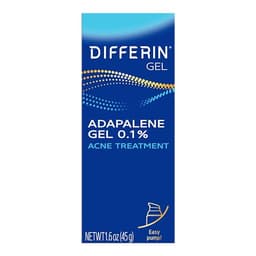
Differin
Adapalene Gel 0.1%
The retinoid that makes this question easy: adapalene showed remarkable stability when mixed with benzoyl peroxide and exposed to light, which is why the two are sold co-formulated in a single approved gel. A labeled 0.1%, over the counter, and the one to pick if you want benzoyl peroxide in the same routine.
Read the adapalene guidePrice as of October 5, 2026. #ad How we’re funded
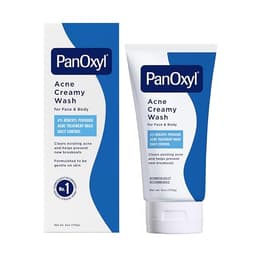
PanOxyl
Antimicrobial Acne Creamy Wash (4% Benzoyl Peroxide)
The low-irritation way to carry benzoyl peroxide in a retinoid routine: a 4% creamy wash, on the skin for under a minute, in the morning. A wash is far less drying than a leave-on at the same strength, which matters when the other half of your routine is already stressing the barrier.
See the BP products ranked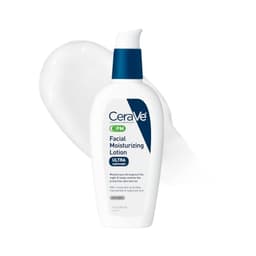
CeraVe
PM Facial Moisturizing Lotion
The third product this routine needs and most people skip: ceramides and niacinamide in a weightless night lotion, to go over the retinoid. Two drying actives in one routine is exactly the situation a barrier moisturizer exists for.
See the ceramide creamsFrequently asked questions
Can you use benzoyl peroxide and retinol together?
Yes, but not in the same application if your retinoid is tretinoin. In the primary stability study, commercial tretinoin 0.025% gel mixed with a 10% benzoyl peroxide lotion and exposed to light lost more than 50% of its tretinoin in about 2 hours and 95% over 24 hours. Adapalene in the same experiment showed remarkable stability with and without light. So: split tretinoin and benzoyl peroxide across the day; adapalene can be layered.
Does benzoyl peroxide deactivate retinol?
The published work is on tretinoin and adapalene rather than on cosmetic retinol, so the honest answer is that we do not have the same data for retinol specifically. Benzoyl peroxide is a strong oxidizer and retinol is oxidation-sensitive, so the cautious approach — benzoyl peroxide in the morning, retinol at night — costs you nothing and removes the question.
Why are adapalene and benzoyl peroxide sold in the same tube then?
Because adapalene is stable with it. The FDA approved an adapalene 0.1% plus benzoyl peroxide 2.5% combination gel for nonprescription use in people 12 and older in May 2026, making it the first over-the-counter adapalene and benzoyl peroxide combination in the US. A formulator cannot put two actives in one tube if one destroys the other.
Which should I apply in the morning and which at night?
Benzoyl peroxide in the morning, retinoid at night. That order suits both ingredients: the retinoid raises sun sensitivity, so night is the right slot for it, and a benzoyl peroxide wash fits naturally into a morning routine. It also means the two never meet on your skin.
Is using both too much for my skin?
It can be, and the AAD's acne guidance supports combining actives rather than piling them on in one week. Introduce one, give it two to four weeks, then add the second. Use a wash rather than a leave-on for the benzoyl peroxide if you are drying out, and moisturize after both. If your skin is stinging, flaking and red, cut frequency before you cut the ingredient.
What strength of benzoyl peroxide should I use with a retinoid?
The lower end. The published comparison of benzoyl peroxide strengths does not show the high strengths buying you much extra benefit, and in a routine that already contains a retinoid the irritation cost of a 10% leave-on is real. A 4% wash, or a 2.5% leave-on spot treatment, is the sensible pairing.
Does benzoyl peroxide bleach things?
Yes, reliably. It bleaches towels, pillowcases and clothing, and it does not wash out. Use white towels and white bedding with any benzoyl peroxide product, and let it dry before you get dressed or go to bed.
Sources
- Chemical stability of adapalene and tretinoin when combined with benzoyl peroxide in presence and in absence of visible light and ultraviolet radiation (PubMed) — Martin, Meunier, Montels and Watts (Galderma R&D), British Journal of Dermatology 1998 Oct;139 Suppl 52:8-11, PMID 9990414 — commercial adapalene 0.1% gel and tretinoin 0.025% gel were each mixed with an equal volume of a commercial 10% benzoyl peroxide lotion and exposed to light over 24 hours. "With and without exposition to light, adapalene exhibits a remarkable stability whereas tretinoin is very sensitive to light and oxidation. The combination of benzoyl peroxide and light results in more than 50% degradation of tretinoin in about 2 h and 95% in 24 h." This is the primary source behind the rule that tretinoin and benzoyl peroxide should not be applied at the same time, and behind the fact that adapalene can be co-formulated with benzoyl peroxide (accessed October 5, 2026)
- Galderma — U.S. FDA approval for the Differin Epiduo Acne Gel prescription-to-OTC switch — The manufacturer's own announcement: the FDA approved Differin Epiduo Acne Gel (adapalene 0.1% + benzoyl peroxide 2.5%) for nonprescription use in people 12 and older on May 22, 2026, with retail availability from summer 2026 — the first over-the-counter adapalene/benzoyl peroxide combination in the US (accessed September 22, 2026)
- American Academy of Dermatology — Updated guidelines for the management of acne — AAD 2024 acne management guideline summary (accessed July 17, 2026)
- American Academy of Dermatology — Acne: Diagnosis and treatment — AAD overview of benzoyl peroxide, retinoids, salicylic and azelaic acid for acne (accessed July 17, 2026)
- Comparing 2.5%, 5%, and 10% benzoyl peroxide on inflammatory acne vulgaris (PubMed) — Mills et al. — 2.5% matched 5% and 10% for efficacy with less irritation (accessed August 19, 2026)
- American Academy of Dermatology — Retinoid or retinol? — AAD on the difference between prescription retinoids and OTC retinol (accessed July 17, 2026)
Keep reading
Adapalene vs benzoyl peroxide
If you are choosing one rather than combining: which active suits which kind of acne.
Compare themHow to use benzoyl peroxide
Strength, contact time, the dryness management and the laundry rules.
Read the guideThe adapalene (Differin) guide
The over-the-counter retinoid that is stable with benzoyl peroxide, and how to start it.
Read the guideBest OTC acne treatments
The actives with real acne evidence, ranked — and how to combine them without wrecking your barrier.
See the picksRetinol vs adapalene
Both are retinoids; only one is aimed at acne. Which one your skin actually needs.
Compare themHow to layer actives
The conflicts that are real, the ones that are myths, and the order for a whole routine.
Read the guide