What hydroquinone is known for, before we replace it
It is the benchmark. The AAD’s patient guidance on melasma lists topical skin-lightening agents as first-line for mild cases and names hydroquinone at the head of that list, alongside tretinoin with a mild corticosteroid, the triple-combination cream, azelaic acid, kojic acid and vitamin C. Nothing on this page is an argument that hydroquinone does not work. It is the reference the other ingredients get measured against, which is exactly why a page like this one gets searched for.
Two things changed around it, and they pull in opposite directions. The regulatory one is above: OTC hydroquinone is no longer legally marketed in the US, so the comparison most readers want to make is against a product they cannot buy. The clinical one is that the prescription route did not go away. If the only thing standing between you and hydroquinone was access, the best alternative to hydroquinone is hydroquinone from a prescriber — which is a sentence this site earns nothing from, and the FDA’s own advice points the same way: “Consumers should talk to their health care professional about treatment options for certain skin conditions,” “including aged or dark spots.” We are not going to pretend a $12 serum is a substitute for a clinic visit on melasma that has not budged in two years.
We also report, as the FDA’s and not as ours, what that communication says about harm: reports of “serious side effects including skin rashes, facial swelling, and ochronosis (discoloration of skin)”, with “ochronosis which may be permanent”. That is the agency’s stated basis for advising consumers not to use the unapproved products. It is not our verdict on the molecule, and we draw no conclusion from it about prescription use under supervision.
How we ranked the alternatives
1. Does a dermatology body name it?This is the first filter and it does most of the work. Of everything in our registry that touches pigment, exactly two ingredient classes appear in the AAD’s own melasma list: azelaic acid — which it singles out as a gentler option — and vitamin C. Those take the top two slots. Alpha arbutin, niacinamide and adapalene do not appear in it, which does not make them useless; it makes them ranked lower on purpose.
2. Does the label publish a number?The whole point of a hydroquinone replacement is that you knew what you were getting — 2% or 4%, printed. So a serum that prints a percentage outranks one that says “brightening complex”. Five of the six picks here publish a figure: 10% azelaic acid, 15% L-ascorbic acid, 2% alpha arbutin, 10% niacinamide, 0.1% adapalene. That is an unusually well-disclosed shortlist for this category, and it is not an accident — it is the filter.
3. How strong is the evidence, honestly graded? There is a real hierarchy here and flattening it would be the easy lie. Azelaic acid has a published pharmacological review behind its action on pigmentation and inflammation. Topical vitamin C has a dermatology review covering its forms, its stability and its photoprotective role. Niacinamide has a mechanistic review that includes pigmentation. Adapalene is a retinoid, the class with the deepest photoaging literature on this site. Alpha arbutin has the thinnest file of the six, and we say so in its write-up rather than in a footnote.
4. Can you stay on it?Pigment work is measured in months, not weeks — the AAD’s own guidance says results usually take 3 to 12 months. An ingredient you abandon in week three because it stings is worth less than a gentler one you keep using, which is why a 2% arbutin serum at skin-neutral pH earns a slot above nothing at all, and why the single most expensive pick on this page is a sunscreen.
Which one, by why you are switching
“I want the closest thing to hydroquinone that a dermatologist would recognize.” Azelaic acid. It is in the AAD’s melasma list, it is named there as the gentler option, and the published review behind it covers pigmentation and inflammation together — which matters if your marks are post-acne rather than hormonal. The 10% suspension we rank first prints its figure and costs less than most moisturizers. Its real cons are textural: it is a silicone cream-gel that pills under some sunscreens and can grab at makeup. Our full ranking is at best azelaic acid, and the pigment-specific case is in azelaic acid for hyperpigmentation.
“I want the antioxidant route.” Vitamin C, and specifically an L-ascorbic acid serum rather than a derivative if your skin will take it. The AAD names vitamin C in the same list; the dermatology review we cite covers why the form and the packaging decide whether a bottle is still active when you open it. The pick here publishes 15% L-ascorbic acid with vitamin E and ferulic acid, the architecture with the most-cited photoprotection trial behind it. It is also the one pick on this page that oxidizes: it will go amber, and when it does, it is finished. See best vitamin C serum for dark spots for the rest of the field, or best vitamin C serum under $20if the price of this one is the problem — though read the finding on that page first, because the ferulic acid architecture is exactly what the cheaper shelf does not carry.
“Acids and retinoids are off the table for me.” Alpha arbutin. No exfoliation, no retinoid, a printed 2%, and a formula the brand says it pH-matched specifically to keep the arbutin from breaking down in water. Here is the honest version of why it is on this page and why it is third rather than first. Arbutin is chemically a glucoside of hydroquinone — that is the opening line of the one mechanism paper we hold, which found it inhibits tyrosinase in cultured human melanocytes as a reversible competitive inhibitor. But that paper has three problems a shopper should know about: it is cell culture rather than skin, its authors worked in a cosmetics manufacturer’s own research center, and the compound it studied is the beta glucopyranoside while the serums on sale are alpha arbutin, a different isomer. Shared chemistry is a reason to look; it is not a clinical result. We publish no hydroquinone-to-arbutin equivalence figure, because we hold no source that gives one.
“I want the cheapest thing that does something.” Niacinamide, as an addition rather than a replacement. The review we cite covers barrier function, sebum and pigmentation, and at 10% with 1% zinc it is the least demanding active in this entire registry to fit into a routine. It will not do what azelaic acid does on a stubborn patch. It is the pick for someone building a routine they can keep for a year. Full field at best niacinamide serums.
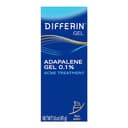
“My spots came with rough texture and breakouts.” Then the retinoid rung. The AAD’s melasma list names tretinoin, which is prescription-only; adapalene 0.1% is the over-the-counter retinoid, sold with an acne label rather than a pigment one, and that distinction is deliberate on our part. It earns its slot here because post-inflammatory marks and the acne that caused them are one problem, and because retinoids are the best-evidenced class on this site for turnover. It is also the pick most likely to make things briefly worse before better. Read our adapalene guide first, and retinol vs tretinoin if you are weighing the prescription step.
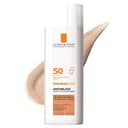
“I have tried four of these and nothing holds.” Sunscreen, and specifically a tinted one. This is the least satisfying recommendation on the page and the one with the hardest numbers behind it. The published review we cite on visible light reports that melasma patients using an iron-oxide-containing sunscreen achieved “15% greater Melasma Area and Severity Index (MASI) improvement” and “28% greater lightening on colorimetry” than patients using an otherwise similar UV-only sunscreen — and that “fewer than two-thirds of patients with hyperpigmentation use sunscreen and fewer than 10% reapply appropriately”. The AAD’s melasma guidance asks for zinc oxide, titanium dioxide or iron oxide at SPF 30 or higher, reapplied through the day, because “sunlight causes the skin to make more pigment, which can darken existing melasma and cause new patches”. If you buy one thing from this page and it is not this, you may be funding a problem you are also treating. The field is ranked at best sunscreen for dark spots.
How to actually run these, without stacking them
The commonest way this goes wrong is buying four of the six and using them all at once. Pick one pigment active, add sunscreen, and give it a season. Niacinamide layers under almost anything. Azelaic acid and a retinoid can usually alternate nights rather than share one. Vitamin C goes in the morning under sunscreen; azelaic or the retinoid at night. If you want the detail rather than the summary, how to layer actives and skincare routine order both cover it, and our dark spots page builds the whole routine rather than ranking one shelf.
One more practical note, because it decides how this feels: every pigment ingredient here works on new pigment, not on the pigment already sitting in your skin. That is why the timeline is months and why sun exposure undoes it so efficiently. Patch testing first is cheap insurance — how to patch test.
What this page refuses to tell you
That any of these is “as good as hydroquinone”. We hold no head-to-head trial putting any product in our registry against hydroquinone, so we publish no such comparison and no equivalence percentage. What we can tell you is which of these a dermatology body lists in the same breath, and that is the ordering you are reading.
That hydroquinone is dangerous and you are better off without it. That is not our call and the evidence does not support that framing. The FDA’s communication concerns unapproved OTC products and names reported adverse effects; it also names an approved prescription product and tells consumers to talk to a health care professional. A page selling serums is the wrong place to get a verdict on a prescription drug.
Where to buy OTC hydroquinone.We link to no seller of it and publish no price for it. Per the FDA’s own communication such products are unapproved drugs and are not legally marketed in the US, and a product outside that system is also a product whose contents nobody has signed off on. If a site is selling you 2% hydroquinone over the counter today, that is the category the FDA wrote about.
What to do about melasma in pregnancy, or alongside a medication. That is a clinical question about one person and this page refuses it, the same way our tretinoin alternativespage refuses the equivalent one. The AAD does note that melasma triggered by pregnancy or a medication may fade once that ends — which is a reason to talk to a clinician before buying anything, not a reason to buy from us.
That kojic acid or tranexamic acid are not worth considering. The AAD names kojic acid in the same list and we do not rank it, for one boring reason: there is no kojic acid product in this registry with a published percentage and a live price, so ranking it would mean recommending something we cannot specify. Tranexamic acid is the same gap. Both are real options and both are the clearest product holes this page exposes on our own shelf.