Ingredient Comparisons: Which Active for Which Job
Benzoyl peroxide or salicylic acid? Vitamin C or niacinamide? Azelaic or niacinamide? The direct answer to each matchup up front, the reasoning underneath, and the bottles worth buying either way.
Straight answers
- Retinol or niacinamide?
- Retinol if your complaint is fine lines, rough texture or sun-damaged skin — no over-the-counter ingredient has a deeper evidence base for those. Niacinamide if it is redness, oiliness, visible pores or skin that reacts to everything; it is also the safer first active, because it has no adjustment phase and does not raise sun sensitivity. Most people end up using both, because niacinamide treats the barrier problems retinol causes. Full comparison
- Hyaluronic acid or retinol?
- Retinol if the complaint is fine lines, texture or sun damage — it changes the skin over months, and nothing a hydrator does substitutes for that. Hyaluronic acid if the complaint is tightness, dullness or dehydration, and as the easier first purchase: no adjustment phase, no sun-sensitivity consideration, nothing to build tolerance to. They have no conflict of any kind, and the hydrator is the cheapest way to make the retinoid tolerable enough to keep using. Full comparison
- Retinol or collagen?
- Retinol, if the question is firmness. It acts on the cells that make your collagen. A topical collagen cream applies the finished protein to the outside of the skin, where it is far too large to join your dermis and functions instead as a humectant and film-former — which is to say a good moisturizer. Keep it if you like how it feels; buy the firming elsewhere. Peptides are the honest middle ground. Full comparison
- Retinol or glycolic acid?
- Glycolic acid if you want visible change in weeks — it is an exfoliant, so it works on the surface you can see, and dullness and rough texture improve fastest. Retinol if the complaint is sun damage and fine lines, where the clinical evidence sits and where twelve weeks is the unit of patience. One asymmetry worth knowing: there is a published consumer-use band for AHAs (10% or less at pH 3.5 or above, with sun protection) and no equivalent figure anywhere for over-the-counter retinol. Full comparison
- Ceramides or hyaluronic acid?
- Ceramides, if you are choosing one. Hyaluronic acid is a humectant that holds water in the surface layers and stops the moment you stop using it; ceramides are part of the barrier that keeps water in at all. Dry skin that is dry because the barrier is leaking is not fixed by adding more water to it. The giveaway is in the ingredient lists: both hyaluronic acid serums we rank contain ceramides, so the formulators do not treat this as a choice either. Full comparison
- Azelaic acid or salicylic acid?
- Salicylic acid for blackheads, clogged pores and oily congestion — it is oil-soluble, which is the whole reason it reaches inside the follicle. Azelaic acid for redness, rosacea-type flushing and the flat brown marks spots leave behind; it is barely an exfoliant at all, and its described activity is anti-inflammatory and pigment-related. They share the word “acid” and almost no mechanism, so buying the wrong one is how people conclude acids do not work on them. Full comparison
- Mineral or chemical sunscreen?
- Mineral if your skin is reactive, rosacea-prone or mid-way through a retinoid adjustment phase — and if the “which is safer” debate bothers you, since it uses the two filters nobody argues about. Chemical if you want it to disappear on the skin, if you have a medium-to-deep skin tone that a cast shows on, or if you need to cover face and body. Both are regulated sunscreen drugs; the variable that dwarfs the filter question is how much you apply and whether you reapply. Full comparison
- Benzoyl peroxide or salicylic acid?
- Benzoyl peroxide for red, inflamed, tender pimples — it kills the bacteria involved in them. Salicylic acid for blackheads, whiteheads and congestion — it is oil-soluble, so it clears the clog from inside the pore. Most acne is a mix of both, which is why the two are so often used together. Full comparison
- Vitamin C or niacinamide?
- Vitamin C if you want a daytime antioxidant that visibly brightens and works on existing dark spots. Niacinamide if you want oil control, barrier support and a gentler fade with almost no irritation risk. They do not cancel each other out — that claim is a myth from decades-old lab work, not from modern formulas. Full comparison
- Azelaic acid or niacinamide?
- Azelaic acid when you have something to treat: rosacea redness, inflamed bumps, or post-acne marks. Niacinamide when you want daily maintenance for barrier and oil. Azelaic is the treatment, niacinamide is the supporter, and they layer together without a conflict. Full comparison
- Which niacinamide percentage should I buy?
- A stated 10% for most people, and 5% if your skin is reactive. The classic research landed its results at 4–5%; the 12% bottles sit well above anything that has been studied, so the extra percentage buys irritation risk rather than a better outcome. What matters far more is that the brand states the number at all. Full comparison
- Which actives can I use in the same routine?
- Niacinamide and hyaluronic acid go with anything. Retinol plus an exfoliating acid, or vitamin C plus an acid, should be alternated rather than stacked. Benzoyl peroxide is the one to isolate — it degrades retinol and vitamin C, so give it its own half of the day. Full comparison
Every comparison in full
Each one takes a single matchup, states the verdict, then shows the formulation reasoning behind it — stated percentages, mechanism and cost per milliliter, never a claim we tested anything.
Retinol vs Niacinamide
The vitamin A active against the vitamin B3 one: one rebuilds and resurfaces, the other repairs and calms. Which to start with, and why most people need both.
Hyaluronic Acid vs Retinol
Water held at the surface today against structural change over months. Which to buy first if you can only buy one, and why the pairing has no downside at all.
Retinol vs Collagen
One of these two is a molecule your skin cannot absorb. What a collagen cream really does, where peptides fit, and where the money should go.
Hyaluronic Acid vs Sodium Hyaluronate
Same molecule, two INCI names. What the label difference means, and the thing that actually decides how a hydrator performs.
Retinol vs Glycolic Acid
One removes what is already dead; the other changes what your skin does next. Which works faster, which has the wrinkle evidence, and the published use band only one of them has.
Our top pick
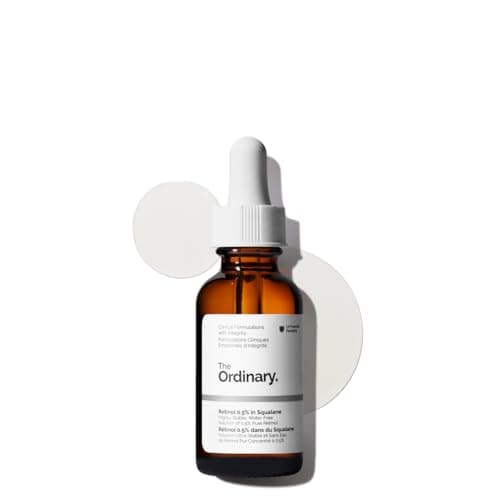
The Ordinary Retinol 0.5% in Squalane
$9.30 · View on AmazonPrice as of October 18, 2026. #ad How we’re funded
Ceramides vs Hyaluronic Acid
One pulls water in, the other stops it leaving. Which to buy for dry, oily and barrier-damaged skin, and why the ingredient lists already answer it.
Our top pick
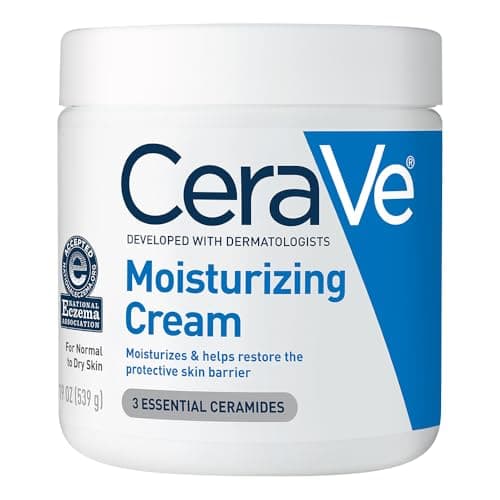
CeraVe Moisturizing Cream
$18.96 · View on AmazonPrice as of October 18, 2026. #ad How we’re funded
Azelaic Acid vs Salicylic Acid
Pore tool against inflammation-and-pigment tool. Which to buy for blackheads, rosacea, inflamed spots and post-acne marks — they share a word and little else.
Our top pick
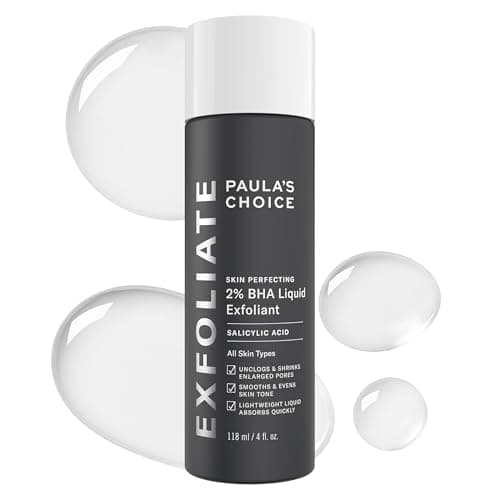
Paula's Choice Skin Perfecting 2% BHA Liquid Exfoliant
$37.00 · View on AmazonPrice as of October 18, 2026. #ad How we’re funded
Mineral vs Chemical Sunscreen
Two filter systems, one job. Which suits reactive, acne-prone and deeper skin — and the one part of the safety argument we will not pretend to settle.
Our top pick
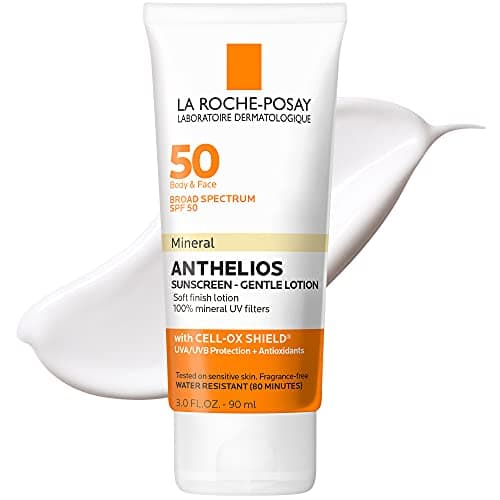
La Roche-Posay Anthelios Mineral SPF 50 Gentle Lotion
$25.97 · View on AmazonPrice as of October 18, 2026. #ad How we’re funded
Benzoyl Peroxide vs Salicylic Acid
Bacteria versus clog. Which active suits inflamed pimples, which suits blackheads, and how to run both without stripping your skin.
Vitamin C vs Niacinamide
Two brighteners aimed at different problems — and the myth that they cancel each other out, dismantled.
Azelaic Acid vs Niacinamide
Treatment versus maintenance: azelaic for redness, bumps and marks, niacinamide for barrier and oil. Both, if you can.
Best Niacinamide Serums
Every stated percentage compared, with the cost-per-mL math and an honest note on why 12% is not an upgrade.
Our top pick
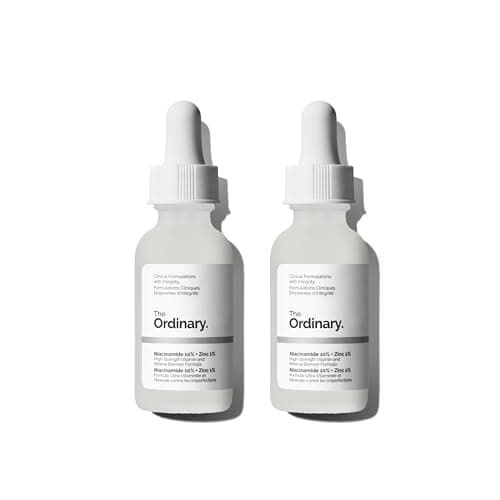
The Ordinary Niacinamide 10% + Zinc 1%
$12.00 · View on AmazonPrice as of October 18, 2026. #ad How we’re funded
Best Salicylic Acid Products
If the comparison sent you to BHA, this is which leave-on to buy — compared on stated percentage and format.
Our top pick
Paula's Choice Skin Perfecting 2% BHA Liquid Exfoliant
$37.00 · View on AmazonPrice as of October 18, 2026. #ad How we’re funded
How to Layer Actives (Routine Builder)
Once you have picked your winners, this is how they share a week — the conflict matrix plus a build-your-own AM/PM schedule.

How to settle any ingredient matchup yourself
Almost every “X vs Y” question on a skincare forum comes down to four questions, asked in order. Work through them and you rarely need the comparison page at all.
- What is the actual problem? Not “my skin is bad” — is it inflamed spots, clogged texture, flat brown marks, persistent flushing, or shine? Each of those points at a different mechanism, and the mechanism picks the ingredient.
- Is this a treatment or a supporter? Benzoyl peroxide, azelaic acid, salicylic acid and retinoids are treatments — they change something and they cost you tolerance. Niacinamide, hyaluronic acid and ceramides are supporters — they cost almost nothing and make everything else easier. A treatment-versus-supporter comparison is usually a false choice.
- Does the brand publish the percentage? If it does not, you cannot compare it. We print “Not published” rather than guess, because what a brand hides is information too.
- Can your barrier take it right now? The best active for your concern is still the wrong purchase if your skin is already stinging. Fix the barrier first; the treatment works better on skin that is not already angry.
Percentages: what the number on the label really tells you
The single most common buying error in this category is treating concentration as a quality score. It is not. For niacinamide, the well-known research landed its results around 5%, so the 10% and 12% bottles on the shelf are already above the studied range — a stated 10% is a reasonable default and 12% mostly suits very oily skin that tolerates actives easily. For benzoyl peroxide, a head-to-head trial found 2.5% matched 5% and 10% on inflammatory acne with less irritation, which is why our benzoyl peroxide picks do not simply crown the strongest tube. For salicylic acid, 2% is the over-the-counter ceiling and there is nothing above it to chase. For azelaic acid, 10% is the drugstore standard and 15–20% is prescription-only.
The corollary matters just as much: a stated percentage you can read beats an unstated one you cannot, at any strength. Two serums both marketed for “brightening” are not comparable if only one of them tells you what is in it.
Where each active actually wins
| If your concern is… | Start with | Pair it with | Read |
|---|---|---|---|
| Red, inflamed, tender pimples | Benzoyl peroxide (2.5–5%) | Niacinamide, to offset the dryness | BPO vs salicylic |
| Blackheads, whiteheads, congestion | Salicylic acid (up to 2%) | Niacinamide, for oil control | Best salicylic acid |
| Brown marks left after a breakout | Azelaic acid (10%) | Niacinamide, and daily sunscreen | Azelaic vs niacinamide |
| Dullness and existing dark spots | Vitamin C, in the morning | Niacinamide — no conflict | Vitamin C vs niacinamide |
| Shine, visible pores, fragile barrier | Niacinamide (stated 5–10%) | A ceramide moisturizer | Best niacinamide serums |
| Persistent facial redness or flushing | Azelaic acid (10%) | Niacinamide; skip strong AHAs | Azelaic for rosacea |
Winning the matchup is not the same as building a routine
Picking correctly in three separate comparisons can still leave you with three actives that should not all land on your face on a Tuesday night. Benzoyl peroxide degrades retinol and vitamin C. Retinol plus a strong acid on the same evening is the fastest route to a compromised barrier. Niacinamide and hyaluronic acid are the two you can add anywhere, which is exactly why they show up as the “pair it with” column above. Once you have chosen your winners, run them through the layering guide and routine builder — it has the conflict matrix and a worked weekly schedule you can copy.
And add them one at a time, a fortnight apart. It is the least exciting advice on this page and the piece that decides whether any of the rest of it works. If you start three actives in the same week and your face objects, you have no way of knowing which one to drop — patch-test first, then introduce slowly, and keep sunscreen non-negotiable the moment an acid or a retinoid joins the routine.
Frequently asked questions
What is the difference between an active and an acid?
Loosely, an 'active' is any ingredient with a demonstrated effect on skin — retinol, niacinamide, vitamin C, benzoyl peroxide. The exfoliating acids (glycolic, lactic, mandelic, salicylic) are a subset that work by loosening the bonds between surface skin cells. Azelaic acid is the odd one out: it has 'acid' in the name but does not exfoliate, which is why reactive skin often tolerates it when it cannot tolerate glycolic.
Which two actives should almost everyone start with?
A daily sunscreen and one treatment active matched to your main concern — usually salicylic acid for congestion, benzoyl peroxide for inflamed spots, azelaic acid for redness or marks, or a retinoid for texture and lines. Niacinamide is a sensible third because it supports the barrier and conflicts with nothing.
Is a higher percentage always more effective?
No, and for several of these actives the evidence points the other way. A 2.5% benzoyl peroxide matched 5% and 10% in a head-to-head trial with less irritation, and niacinamide's published results cluster around 5% rather than the 10-12% on the shelf. Past the studied range you are usually buying irritation, not benefit.
Can I use two treatment actives at once?
Sometimes, but not by default. Two actives that irritate along the same pathway — a retinoid and a strong exfoliating acid, say — should be alternated on different nights rather than stacked. Splitting them across morning and night is the simplest workable arrangement, and benzoyl peroxide in particular should be kept away from retinol and vitamin C because it degrades both.
How long before a comparison winner actually shows results?
Expect weeks, not days. Benzoyl peroxide and salicylic acid usually show a difference in inflamed spots and congestion inside two to four weeks. Pigment is far slower: azelaic acid, niacinamide and vitamin C are all working on months-long timelines for marks and uneven tone, and none of them will do anything at all if you are not wearing sunscreen.
Sources
- American Academy of Dermatology — Acne: Diagnosis and treatment — AAD overview of benzoyl peroxide, retinoids, salicylic and azelaic acid for acne (accessed July 17, 2026)
- U.S. FDA — Beta Hydroxy Acids in Cosmetics — FDA on salicylic acid as a beta hydroxy acid (accessed July 17, 2026)
- A Comprehensive Review of Azelaic Acid: Pharmacological Properties, Clinical Applications and Topical Formulations (PMC) — Review of azelaic acid's action on pigmentation, inflammation and acne (accessed August 19, 2026)
- Niacinamide: A B vitamin that improves aging facial skin appearance (PubMed) — Bissett et al. — 5% niacinamide improves wrinkles, spots and texture (accessed July 17, 2026)
- Vitamin C in dermatology (PMC) — Telang — review of topical vitamin C forms, stability and photoprotection (accessed July 17, 2026)
- Comparing 2.5%, 5%, and 10% benzoyl peroxide on inflammatory acne vulgaris (PubMed) — Mills et al. — 2.5% matched 5% and 10% for efficacy with less irritation (accessed August 19, 2026)