Actives & Acids

Best Hyaluronic Acid Serums

Three hyaluronic acid serums compared on what they pair with, how they feel and cost-per-mL — the humectant layer that holds water in your skin.

By Stephen V.Last updated How we pick

Hyaluronic acid is a humectant, not a moisturizer — a distinction worth getting straight before you buy. It is a molecule your skin already makes, and it can hold a remarkable amount of water; a serum simply lays a fresh dose on the surface to pull moisture into the upper layers and leave skin looking plumper and smoother. What it does not do is seal that water in. Left on its own in dry air it can even draw moisture out of your skin instead of into it, which is why every serum here works best under a cream that locks the whole thing down.

So we grade less on the hyaluronic acid itself — it is largely a commodity — and more on the company it keeps and how it wears. The best formulas add ceramides, B5 or multiple molecular weights so the layer both hydrates and supports the barrier, and they sink in without the tacky, grabby finish that makes people give up on the category. Because the active is cheap to produce, price mostly buys texture and supporting ingredients, so it is worth doing the cost-per-mL math before you reach for a prestige bottle.

How this is funded:we earn a commission if you buy through our links, at no extra cost to you. It never changes which product we recommend, and we’ll tell you when we’d skip one. Full disclosure.

Quick picks

Ranked on formulation, stated concentration and buyer fit. Select a row to jump to the full write-up. We have not tested these products — here is exactly what we do instead.

#ProductBest forPrice
1
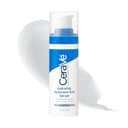
CeraVe Hyaluronic Acid Serum (B5 + Ceramides)

CeraVe Hyaluronic Acid Serum (B5 + Ceramides)

The most well-rounded hyaluronic acid serum here precisely because it's more than HA — ceramides and vitamin B5 let it hydrate while helping the barrier keep that water locked in. No fragrance.

Best overall
$17.28 · View on Amazon

$22.9925% off

Price as of July 19, 2026. #ad How we’re funded

2
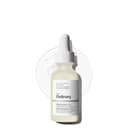
The Ordinary Hyaluronic Acid 2% + B5

The Ordinary Hyaluronic Acid 2% + B5

The value yardstick: a labeled 2% multi-weight hyaluronic acid with B5 for a few dollars. Put it on damp skin and lock it in with moisturizer, since in dry air HA can otherwise draw water the wrong direction.

Best on a budget
$9.90 · View on Amazon

Price as of July 19, 2026. #ad How we’re funded

3
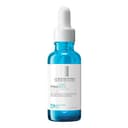
La Roche-Posay Hyalu B5 Hyaluronic Acid Serum

La Roche-Posay Hyalu B5 Hyaluronic Acid Serum

The luxe choice — two hyaluronic acid weights joined by vitamin B5 and madecassoside, a calming centella extract. This is the one to buy when comfort and finish count as much as the HA.

Best for sensitive skin
$39.99 · View on Amazon

Price as of July 19, 2026. #ad How we’re funded

The picks in full

#1Best overall

CeraVe Hyaluronic Acid Serum (B5 + Ceramides)

The most well-rounded hyaluronic acid serum here precisely because it's more than HA — ceramides and vitamin B5 let it hydrate while helping the barrier keep that water locked in. No fragrance.

Strengths

  • Ceramides and vitamin B5 riding along with the hyaluronic acid
  • Fragrance-free and never tacky
  • Sits well under any moisturizer

Trade-offs

  • A bit dearer than the plain-HA budget option
  • It uses several HA weights but doesn't publish the exact percentages
Key activeHyaluronic acid + ceramides
Stated concentrationNot published
FormatLight gel-serum
Fragrance-freeYes
Best forDry, Normal, Sensitive

Formulation note. Hyaluronic acid with three essential ceramides and vitamin B5. HA pulls water in while the ceramides slow its escape — which is why HA performs better paired with them than on its own.

Ingredients and claims read from the product listing, on July 18, 2026. “Not published” means the brand does not state that figure.

#2Best on a budget

The Ordinary Hyaluronic Acid 2% + B5

The value yardstick: a labeled 2% multi-weight hyaluronic acid with B5 for a few dollars. Put it on damp skin and lock it in with moisturizer, since in dry air HA can otherwise draw water the wrong direction.

Strengths

  • A disclosed 2% HA spanning several molecular weights
  • Extremely cheap
  • The reformulated version now folds in ceramides

Trade-offs

  • Overdo it and it turns tacky
  • In very dry air it needs damp skin and a seal on top, or it can end up drying you out
Key activeHyaluronic acid
Stated concentration2%
FormatSlightly tacky gel
Fragrance-freeYes
Best forNormal, Dry, Combination

Formulation note. 2% hyaluronic acid across low, medium and high molecular weights, with B5 and ceramides. HA is a humectant that needs water to latch onto, so apply it to damp skin and seal it in.

Ingredients and claims read from the product listing, on July 18, 2026. “Not published” means the brand does not state that figure.

#3Best for sensitive skin

La Roche-Posay Hyalu B5 Hyaluronic Acid Serum

The luxe choice — two hyaluronic acid weights joined by vitamin B5 and madecassoside, a calming centella extract. This is the one to buy when comfort and finish count as much as the HA.

Strengths

  • Two HA weights with vitamin B5 and soothing madecassoside
  • A cushioned, polished texture
  • Made with sensitive skin in mind

Trade-offs

  • Several times what budget HA serums cost
  • It's the added ingredients, not the HA, that account for the price
Key activeHyaluronic acid + madecassoside
Stated concentrationNot published
FormatCushiony serum
Fragrance-freeNo
Best forDry, Sensitive, Mature

Formulation note. Hyaluronic acid in two weights with vitamin B5 and madecassoside. The calming centella derivative is what sets it apart, since the HA content itself is nothing exceptional.

Ingredients and claims read from the product listing, on July 18, 2026. “Not published” means the brand does not state that figure.

How to choose a hyaluronic acid serum

Since the star ingredient is essentially the same everywhere, decide on the supporting cast and the finish. If you want the serum to do double duty, choose one with ceramides so it hydrates and reinforces the barrier in a single step. If your skin reacts easily, a formula built around B5 (panthenol) tends to feel soothing and low-drama. And if you just want the cheapest way to add a hydration layer, a plain 2% with a couple of molecular weights covers the basics for a fraction of the price.

The one rule that makes it work

Apply hyaluronic acid to slightly damp skin, then trap it with a moisturizer on top. That is the whole trick. On bare, dry skin in a dry room a humectant has nothing to grab, so it can pull water from deeper down and leave you tighter than before. Damp skin plus an occlusive cream turns the same serum into a reliable plumping step.

Cost-per-mL and the prestige markup

This is a category where the markup is easy to see once you look. Divide the shelf price by the milliliters in the bottle and the budget pick often lands at a small fraction of a luxury serum’s per-mL cost while delivering the same humectant. You are paying the difference for texture, added actives and packaging — all legitimate reasons to spend more, but only if you actually notice them. Hyaluronic acid also layers with essentially everything, so it slots in before your niacinamide or after an exfoliating acid to take the edge off. If you are building a full lineup, our routine order guide shows where the hydration step sits.

Frequently asked questions

Does hyaluronic acid moisturize on its own?

Not exactly. It is a humectant that pulls water into the upper skin, but it does not seal it in. Always follow it with a moisturizer, ideally on slightly damp skin, so the water it attracts stays put.

Can hyaluronic acid dry out my skin?

It can, in very dry air and used alone. Without a cream on top, a humectant may draw moisture from deeper in the skin toward the surface where it evaporates. Applying to damp skin and locking it in with moisturizer prevents this.

Is an expensive hyaluronic acid serum worth it?

The hyaluronic acid itself is largely a commodity, so a budget bottle delivers the same humectant. A pricier serum can be worth it for texture, ceramides, B5 or multiple molecular weights — but check the cost-per-mL first.

When should I apply it in my routine?

After cleansing and any watery treatments, before your heavier moisturizer, on slightly damp skin. It layers with almost everything, so you can use it morning and night without conflicts.

Sources

Keep reading