Ceramides vs Hyaluronic Acid: Which Does Your Skin Need?
Hyaluronic acid pulls water into the surface of your skin. Ceramides are part of the structure that stops it leaving again. Those are different jobs, which is why the honest answer to 'which one' is usually 'the second one, and then both' — and why every hyaluronic acid serum we rank quietly contains ceramides.
How this is funded: we earn a commission if you buy through our links, at no extra cost to you. It never changes which product we recommend, and we’ll tell you when we’d skip one. Full disclosure.
The verdict: if you buy one thing, buy a ceramide moisturizer— CeraVe Moisturizing Cream, which happens to contain hyaluronic acid too, so one purchase settles the argument. Buy a hyaluronic acid serum as the second step, not the first, and only if you will put something over it.
That ranking is not a preference. It follows from what the two ingredients do.
One holds water, the other stops it leaving
Hyaluronic acidis a humectant. The reference literature on moisturizers sorts ingredients into humectants, which attract and bind water, emollients, which smooth, and occlusives, which slow water loss — and hyaluronic acid sits firmly in the first group. Applied topically it holds water in the surface layers. The reviews of topical HA support improvements in hydration and in the appearance of fine lines, and they are careful about that word appearance: this is water management, and it stops when you stop.
Ceramidesare not a treatment ingredient in the same sense. They are lipids that form part of the barrier itself — the structure that keeps water in and irritants out. Supplying them topically is maintenance of that structure rather than an addition on top of it, and the reviews of barrier-supporting ingredients treat ceramide content as part of how well a barrier functions.
Put plainly: hyaluronic acid adds water to a bucket. Ceramides help with the hole in the bucket. If your skin is dry because it is losing water faster than it should, the second problem is the one worth solving.
Side by side
| Ceramides | Hyaluronic acid | |
|---|---|---|
| Ingredient class | Barrier lipid | Humectant |
| What it does | Supports the structure that keeps water in | Binds water in the surface layers |
| Usual product format | Cream or lotion | Serum |
| Effect when you stop | Gradual — you are maintaining a structure | Immediate — the water goes with it |
| Can it backfire? | No meaningful failure mode beyond being too rich for oily skin | Yes — in dry air, unsealed, it can leave skin tighter |
| Best for dry skin | Yes — first choice | Only with a cream over the top |
| Best for oily skin | A light ceramide lotion, yes | Yes — hydration without weight |
| Percentage published? | Essentially never — brands name the ceramides, not the dose | Sometimes — one of our picks prints 2% |
| In the other category’s products? | Our top ceramide cream also contains hyaluronic acid | Both our HA serums also contain ceramides |
The giveaway is in the ingredient lists
The most useful evidence on this question is not a study — it is what the formulators did. In our own registry, The Ordinary’s 2% hyaluronic acid now includes ceramides. CeraVe’s hyaluronic acid serum contains three of them plus vitamin B5. CeraVe’s ceramide cream contains hyaluronic acid. Every product here that leads on one of these two ingredients has quietly added the other.
That is not marketing padding. A humectant without something to hold the water it attracts is doing half a job, and the people formulating these products know it. Which means the real-world version of “ceramides vs hyaluronic acid” is mostly a question about which product format you want to buy, not which molecule is superior.
How to use them together, in order
1. Cleanse, and do not rinse your face bone dry.The AAD’s dry-skin advice is to moisturize while skin is still damp, and this whole arrangement depends on it.
2. Hyaluronic acid serum onto damp skin. A few drops, patted in. On dry skin in dry air it has nothing to work with.
3. Ceramide moisturizer over the top, within a minute. This is the step that converts the serum from a pleasant feeling into hydration that is still there at lunchtime.
4. Sunscreen, in the morning. Unrelated to either ingredient and more important than both.
If you want the longer version of each, how to use hyaluronic acid covers the damp-skin rule properly and ceramides benefits covers what the ceramide half is and is not doing.
Which to buy, by situation
Dry, tight, flaking skin. Ceramide cream first, and a generous amount of it. Add the HA serum later if you want; it is the smaller lever.
Oily or combination skin that still feels dehydrated. HA serum plus a light ceramide lotion. This is the pairing that most often gets mistaken for needing a richer cream.
A barrier damaged by actives. Ceramides, and stop the thing that damaged it first. No amount of either ingredient outruns nightly over-exfoliation.
Sensitive or reactive skin. A fragrance-free ceramide cream is the lowest-risk product in this entire category. One of our HA picks is fragranced; the other two options here are not.
Mature skin.Both, with the understanding that neither is the anti-aging active. Hyaluronan content in skin changes with age, which is the usual argument for the serum — and the honest caveat is that applying HA topically is not the same thing as restoring it. The structural work belongs to a retinoid; see hyaluronic acid vs retinol.
Bottom line
Ceramides fix the leak; hyaluronic acid tops up the water. If you are choosing one, choose the ceramide moisturizer — it is the product with no failure mode, it costs less per use, and ours contains hyaluronic acid anyway. Then add an HA serum onto damp skin if you like how it feels, and always put something over it. The argument between these two ingredients exists mostly in marketing; on the ingredient lists, they are already working together.
General guidance, not medical advice. Actives & Acids is written by a skincare enthusiast, not a dermatologist. For a diagnosis, a reaction, or a prescription active like tretinoin, see a qualified professional. Introduce any new active slowly and patch-test first.
What we'd actually buy
Chosen from the same registry as our roundups, on published formulation facts rather than hands-on testing — here is exactly what we do instead.
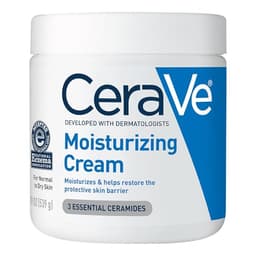
CeraVe
Moisturizing Cream
The ceramide pick, and the one to buy if you only buy one product from this page. Three ceramides plus hyaluronic acid in a 340 mL tub at a budget price — it answers both halves of this comparison in a single purchase.
See it ranked in fullPrice as of October 19, 2026. #ad How we’re funded
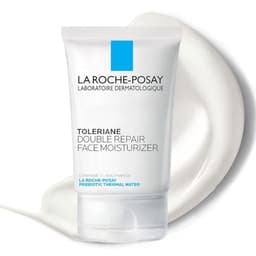
La Roche-Posay
Toleriane Double Repair Face Moisturizer
The ceramide option for daytime and for reactive skin: ceramide-3 and niacinamide in a light cream you can wear under sunscreen. Lighter than the tub, smaller than the tub, and easier to live with on combination skin.
See it ranked in fullPrice as of October 19, 2026. #ad How we’re funded
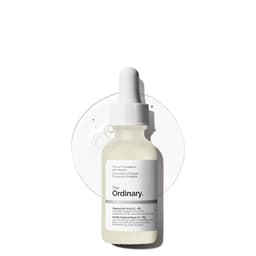
The Ordinary
Hyaluronic Acid 2% + B5
The hyaluronic acid to buy if you want the humectant step cheaply: a labeled 2% across several molecular weights, with B5 and ceramides. Apply to damp skin and seal it — in dry air, unsealed HA is the one way this ingredient works against you.
See it ranked in fullPrice as of October 19, 2026. #ad How we’re funded
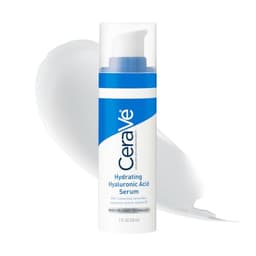
CeraVe
Hyaluronic Acid Serum (B5 + Ceramides)
The hyaluronic acid serum that already took this page's advice: HA with three ceramides and vitamin B5, so the water it draws in has something holding it there. The most sensible single bottle if you want both ingredients in one serum step.
See it ranked in fullFrequently asked questions
Which is better, ceramides or hyaluronic acid?
Ceramides, if you are forced to choose, because they address the cause rather than the symptom. Hyaluronic acid is a humectant — it holds water in the surface layers and the effect stops when you stop using it. Ceramides are lipids that belong to the skin's own barrier, and a moisturizer that supplies them is helping the structure that keeps water in. Dry skin that is dry because the barrier is leaking will not be fixed by adding more water to it.
What is the difference between ceramides and hyaluronic acid?
Function and position. Hyaluronic acid is a humectant that binds water, held in the surface layers, and the reference literature on moisturizers classes it with the water-attracting ingredients rather than with the ones that seal. Ceramides are structural lipids that make up part of the barrier between your living skin cells and the outside air. One is water management; the other is wall maintenance.
Can you use ceramides and hyaluronic acid together?
Yes, and most formulators already do it for you. Both hyaluronic acid serums we rank contain ceramides, and our top ceramide cream contains hyaluronic acid — which tells you how little of a conflict this is. The standard order is the HA serum on damp skin, then the ceramide moisturizer over the top to hold it there.
Which is better for dry skin?
Ceramides, and the application technique matters as much as the ingredient. The AAD's dry-skin guidance is to moisturize while the skin is still damp, which is exactly the move that makes a humectant-plus-ceramide pairing work: damp skin provides the water, the HA holds it, the ceramide cream slows its escape. A hyaluronic acid serum alone, in dry winter air, with nothing over it, is the one scenario where this ingredient disappoints people.
Which is better for oily skin?
Hyaluronic acid, usually — a light gel-serum gives oily skin hydration without the occlusive weight it tends to reject. But oily skin still has a barrier, and a light ceramide lotion over the serum is a better arrangement than a serum alone. Our lightweight ceramide pick exists for exactly this.
Does hyaluronic acid pull water out of your skin?
In very dry air, with nothing sealing it in, a humectant can draw moisture from the deeper layers toward the surface where it evaporates — which is why 'apply to damp skin and moisturize on top' is not a marketing nicety. This is the most common reason someone reports that a hyaluronic acid serum made their skin feel tighter. The fix is the ceramide step, not a stronger serum.
Do ceramides repair the skin barrier?
They support it. The barrier is a mix of ceramides, cholesterol and fatty acids, and supplying ceramides topically is a sensible way to help a depleted one — the reviews of barrier-focused ingredients describe ceramide content as part of what makes the barrier work. What a cream cannot do is rebuild a barrier while you keep stripping it: the first step is always removing whatever is damaging it, usually over-exfoliation or a harsh cleanser.
Which one helps with fine lines?
Hyaluronic acid produces a short-term improvement in the appearance of fine lines, because plumping the surface with water genuinely changes how they read — the clinical literature on topical HA supports hydration and the appearance of fine lines specifically, and is honest that it is appearance. Neither ingredient is a treatment for the structural signs of aging; that is the retinoid file.
Is sodium hyaluronate different from hyaluronic acid?
It is the salt form, smaller and more stable, and it appears on ingredient lists constantly. For practical purposes treat it as hyaluronic acid; we have a dedicated page on the distinction if you want the detail.
Sources
- Moisturizers — StatPearls (NCBI Bookshelf) — Reference on humectants (hyaluronic acid), occlusives and emollients (accessed July 17, 2026)
- Hyaluronic acid: A key molecule in skin aging (PubMed) — Papakonstantinou et al., Dermato-Endocrinology 2012 — review of hyaluronan's role in skin hydration and how its content changes with age (accessed September 12, 2026)
- Benefits of topical hyaluronic acid for skin quality and signs of skin aging (PMC) — Literature review plus clinical evidence on what topically applied hyaluronic acid does for hydration and the appearance of fine lines (accessed September 12, 2026)
- Mechanistic Basis and Clinical Evidence for Nicotinamide (Niacinamide) in Skin (PMC) — Review of niacinamide's barrier, ceramide and pigmentation effects (accessed July 17, 2026)
- American Academy of Dermatology — Dermatologists' top tips for relieving dry skin — AAD on moisturizing damp skin and choosing a cream for dry skin (accessed July 17, 2026)
Keep reading
Best ceramide moisturizers
The ceramide side ranked in full, from the budget tub to the daytime cream.
See the picksBest hyaluronic acid serums
The HA side ranked in full, including which ones publish a percentage.
See the picksHow to repair your skin barrier
The recovery plan if your skin is dry because something is damaging it.
Read the guideCeramides benefits
What ceramides do, what they do not do, and how much of them a label tells you.
Read the guideHow to use hyaluronic acid
Damp skin, seal on top — the two rules that decide whether HA works for you.
Read the guideHyaluronic acid vs sodium hyaluronate
The salt-form question, settled, including what the molecular weight claims are worth.
Read the comparison