Hyaluronic Acid vs Retinol
These two are not competing for the same job, which is why the comparison is less of a contest than the search suggests. One holds water at the surface tonight; the other works on the structure of the skin over months. Which to buy first, and the pairing that makes retinol bearable.
How this is funded: we earn a commission if you buy through our links, at no extra cost to you. It never changes which product we recommend, and we’ll tell you when we’d skip one. Full disclosure.
This comparison gets searched a lot and it is almost a category error. One of these ingredients is a water-binding molecule that works on the top of your skin in minutes; the other is a vitamin A derivative that changes how your skin behaves over months. Asking which is better is like asking whether a glass of water beats going to the gym.
That said, there is a real question underneath it — if I can only buy one, which one?— and it has a clear answer.
The short answer
Buy retinol if your complaint is fine lines, rough texture or sun-damaged skin. No over-the-counter ingredient has a deeper evidence base for those, and nothing a hydrator does will substitute for it. Buy hyaluronic acidif your complaint is tightness, dullness, dehydration, or skin that feels parched by the afternoon — and buy it first if you are new to actives, because it has no adjustment phase and nothing to go wrong.
Then, if you can afford both: use them together, on the same night, in that order. The pairing is one of the few in skincare with no trade-off at all, and it is the standard fix for retinoid flaking.
Hyaluronic acid vs retinol at a glance
| Hyaluronic acid | Retinol | |
|---|---|---|
| What it is | A humectant — a sugar molecule that binds water, found naturally in skin | A vitamin A derivative that converts in skin toward retinoic acid |
| What it does | Holds water in the upper layers; skin looks plumper and feels more comfortable | Speeds cell turnover and acts on collagen; texture, tone and fine lines improve |
| How fast you see something | Same day | Weeks for texture, months for lines |
| Does the effect persist if you stop? | No — it is water, and it leaves | Partly, and it fades over months |
| Adjustment phase | None | Yes — dryness, flaking, stinging for the first few weeks |
| Raises sun sensitivity? | No | Yes — daily sunscreen is non-negotiable |
| Safe in pregnancy? | Generally considered so; ask your doctor | Topical retinoids are normally avoided — ask your doctor |
| Time of day | Either, or both | Night |
| Buy it for | Dehydration, tightness, dullness, comfort | Fine lines, texture, photoaging, uneven tone |
What hyaluronic acid is evidenced to do
Hyaluronan is a molecule your skin already makes, and its content in skin changes with age — which is the usual argument for applying more of it. The published literature on topical hyaluronic acid supports a narrower claim than that argument implies: it improves hydration and the appearance of skin quality and fine lines. The standard reference description of a moisturizer classes it as a humectant, one of the three functional parts of a moisturizer alongside emollients and occlusives.
That is genuinely useful. Dehydrated skin looks dull, creases more readily and feels uncomfortable, and a humectant fixes all three within a day. What it is not is structural. A hyaluronic acid serum does not rebuild anything, and the effect stops when you stop — it is water, and water leaves. Do not read “reduces the appearance of fine lines” as “treats wrinkles.”
One practical caveat that catches people out: a humectant left bare on the skin in dry air can pull water from the deeper layers and leave skin feeling tighter than before. Applying it to damp skin and sealing it with a moisturizer is not an upsell, it is how the ingredient is supposed to be used, and how to use hyaluronic acid covers it.
What retinol is evidenced to do
This is the ingredient with the deep file. The clinical work on topical retinoids in photoaging is why dermatology takes this class seriously at all, and the reviews of retinol specifically describe effects on collagen and on the epidermis — structural change rather than an optical one. The AAD frames the distinction between prescription retinoids and over-the-counter retinol as one of potency, with the prescription versions stronger and faster, not as a difference in kind.
The costs are equally well documented and they are what the whole hydration conversation is about. A retinoid speeds turnover faster than the barrier adapts, so the first weeks bring dryness, flaking, tightness and sometimes stinging. It raises UV vulnerability, so daily sunscreen stops being optional. And it is slow: weeks for texture, months for lines, as how long retinol takes to work sets out.
Why this is a pairing, not a choice
Put the two lists side by side and the arrangement is obvious. Retinol delivers the result and creates a dryness problem. Hyaluronic acid does nothing structural and solves a dryness problem instantly. They are complements, and the pairing has no mechanical conflict of any kind: a humectant has no pH requirement to clash with, nothing to oxidise, and no competing receptor.
One brand in our registry has simply put them in the same bottle — a pure retinol serum formulated with niacinamide and hyaluronic acid — and that is the clearest possible endorsement of the logic. If you would rather buy one product than two, that is the shape to look for.
Worth being clear about the myth this question often carries: hyaluronic acid does notdeactivate or dilute retinol. The confusion comes from the word “acid.” The acids you do need to keep away from a retinoid on the same night are the exfoliating ones — glycolic, lactic, mandelic, salicylic. Hyaluronic acid is not one of them, is not acidic in use, and does not exfoliate. How to layer actives has the full conflict matrix.
The routine, if you are running both
At night, on cleansed skin: hyaluronic acid serum onto skin that is still slightly damp, the retinoid next, a moisturizer last. If the retinoid stings at that spacing, swap the order and put the moisturizer on before the retinoid — buffering costs you a little potency and buys you compliance, which is the better trade in month one.
In the morning: hyaluronic acid again if you like it, then sunscreen. Retinoids stay at night, both because they are less stable in light and because the sun sensitivity they cause is easier to manage that way. Our sunscreen picks for people using a retinoid are on best sunscreen for retinol users, and skincare routine order has the complete AM and PM sequence.
Two or three nights a week is the right starting frequency for the retinoid, not nightly. The hydrator has no such limit — use it as often as your skin likes it.
If you can only buy one thing, and it is not either of these
Worth saying plainly, because it is the honest answer for a lot of people arriving at this comparison: if you do not yet own a daily sunscreen and a moisturizer that suits you, those two outrank both ingredients on this page for anti-aging value. A retinoid without sun protection is working against itself, and a hyaluronic acid serum with no moisturizer over it is only half a product. Start at how to build a skincare routine, and come back for the actives once the basics are habitual.
Bottom line
Retinol changes the skin; hyaluronic acid changes how the skin looks and feels today. If your concern is aging and you can only buy one, buy the retinoid and accept the slow timeline and the sunscreen obligation. If your concern is comfort, dullness or dehydration — or you want the easiest possible first active — buy the hyaluronic acid. If you can buy both, do, because the hydrator is the cheapest way to make the retinoid tolerable enough to keep using, and keeping using it is the entire game.
General guidance, not medical advice. Actives & Acids is written by a skincare enthusiast, not a dermatologist. For a diagnosis, a reaction, or a prescription active like tretinoin, see a qualified professional. Introduce any new active slowly and patch-test first.
What we'd actually buy
Chosen from the same registry as our roundups, on published formulation facts rather than hands-on testing — here is exactly what we do instead.
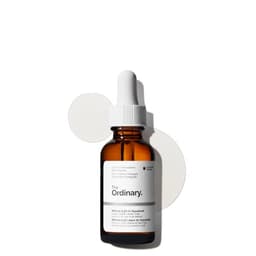
The Ordinary
Retinol 0.5% in Squalane
If you are buying one product and your complaint is lines, texture or sun damage, buy the retinoid. A printed 0.5% in a squalane base for a few dollars is the cheapest honest entry to the only over-the-counter ingredient class with a deep anti-aging evidence base.
See it ranked in fullPrice as of October 10, 2026. #ad How we’re funded
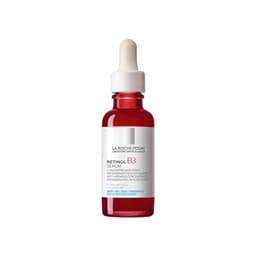
La Roche-Posay
Pure Retinol Face Serum (B3 + HA)
The retinoid for someone who flakes. It bundles niacinamide and hyaluronic acid in with the retinol, which is the pairing this whole page is about, in one bottle rather than two. The strength is not published, which is the trade.
See it ranked in full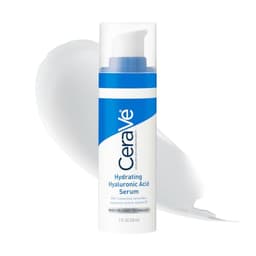
CeraVe
Hyaluronic Acid Serum (B5 + Ceramides)
The hydrator we would pair with a retinoid. Fragrance-free, and it leaves ceramides and vitamin B5 behind as well as the hyaluronic acid — which is the part that helps when the problem you are managing is retinoid dryness rather than dullness.
See it ranked in full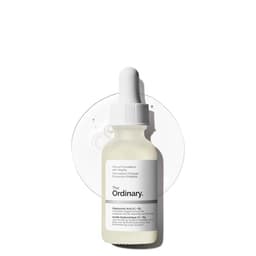
The Ordinary
Hyaluronic Acid 2% + B5
The cheap way to answer the hydration half. A labeled 2% hyaluronic acid with B5, fragrance-free, for a few dollars — enough that buying both sides of this comparison costs less than one mid-range serum.
See it ranked in fullPrice as of October 10, 2026. #ad How we’re funded
Frequently asked questions
Hyaluronic acid or retinol — which is better?
They do different jobs, so the honest answer depends on your complaint. Retinol is the one with the deep evidence base for fine lines, rough texture and photoaging; hyaluronic acid is a humectant that holds water at the surface and makes skin look plumper and feel more comfortable. If you must choose one and your concern is aging, buy retinol. If your concern is tightness, dullness or skin that feels parched, buy hyaluronic acid. Most people end up using both, and the reason is that hyaluronic acid treats the dryness retinol causes.
Can you use hyaluronic acid and retinol together?
Yes, and it is one of the few pairings in skincare with no downside at all. Hyaluronic acid is not an acid in the exfoliating sense, it has no pH requirement that conflicts with retinol, and it does not deactivate anything. Apply the hyaluronic acid to slightly damp skin, then the retinoid, then a moisturizer — or put the hyaluronic acid serum on first as a buffer if the retinoid stings.
Which should a beginner buy first?
Hyaluronic acid, if you want the easier first purchase: there is no adjustment phase, no flaking, no sun-sensitivity consideration and nothing to build tolerance to. Retinol, if you want the purchase that changes your skin rather than its water content — but go in knowing it takes months and the first few weeks can be uncomfortable. A sensible first routine is a hydrator plus sunscreen, with the retinoid added once that is habitual.
Does hyaluronic acid reduce wrinkles?
It reduces the appearance of fine lines while it is on your skin, which is a real and immediate effect, and it is not the same thing as changing the lines. Reviews of topical hyaluronic acid find benefits for hydration and the appearance of skin aging; the mechanism is water held in the upper layers. Retinoids act on collagen and epidermal turnover, which is structural. Buy hyaluronic acid for how your skin looks and feels this week, retinol for where it is in a year.
Will hyaluronic acid stop retinol from working?
No. There is no interaction. The myth comes from confusing hyaluronic acid — a humectant with no exfoliating action — with the exfoliating acids, which genuinely do need care around retinoids. Glycolic, lactic, mandelic and salicylic acid are the ones to keep off the same night as a retinoid. Hyaluronic acid is not in that group.
I use retinol and my skin is flaking. Is hyaluronic acid the fix?
Partly, and not on its own. A humectant draws water into the upper layers but needs something over the top to stop it leaving again — in dry air an unsealed humectant can make skin feel worse rather than better. The complete fix is a hyaluronic acid serum on damp skin, a moisturizer over it, and less frequent retinoid use until things settle. The moisturizer is doing more of the work than the serum is.
Hyaluronic acid vs retinol for mature skin?
Both, with the retinoid as the treatment and the hydrator as support. Hyaluronan content in skin changes with age, which is the common argument for topping it up topically, and topical hyaluronic acid does improve hydration and the look of fine lines. But the ingredient with trial evidence for the structural signs of photoaging is the retinoid. On thinner, drier mature skin the practical order is to establish the hydrator and moisturizer first so the retinoid has something to land on.
Do I need sunscreen with either of them?
You need sunscreen regardless, and with a retinoid it is non-negotiable — retinoids make skin more vulnerable to UV. Hyaluronic acid carries no such consideration, but no anti-aging routine makes sense without daily broad-spectrum protection, and the FDA's own guidance is that most people apply far less than the amount SPF is tested at.
Sources
- American Academy of Dermatology — Retinoid or retinol? — AAD on the difference between prescription retinoids and OTC retinol (accessed July 17, 2026)
- Human Skin Aging and the Anti-Aging Properties of Retinol (PubMed) — Review of topical retinol's effect on collagen and photoaging (accessed July 17, 2026)
- The use of retinoids in the treatment of photoaging (PubMed) — Clinical-trial evidence for topical retinoids in photoaging (accessed July 17, 2026)
- Hyaluronic acid: A key molecule in skin aging (PubMed) — Papakonstantinou et al., Dermato-Endocrinology 2012 — review of hyaluronan's role in skin hydration and how its content changes with age (accessed September 12, 2026)
- Benefits of topical hyaluronic acid for skin quality and signs of skin aging (PMC) — Literature review plus clinical evidence on what topically applied hyaluronic acid does for hydration and the appearance of fine lines (accessed September 12, 2026)
- Moisturizers — StatPearls (NCBI Bookshelf) — Reference on humectants (hyaluronic acid), occlusives and emollients (accessed July 17, 2026)
- U.S. FDA — Sunscreen: How to Help Protect Your Skin from the Sun — FDA on SPF numbers, broad-spectrum and application amount (accessed July 17, 2026)
Keep reading
Best hyaluronic acid serums
If you chose the hydrator: every serum compared on molecular weight, what else is in the bottle and cost per mL.
See the picksBest retinol serums
If you chose the retinoid: every stated percentage compared, with the honest note on the ones that publish nothing.
See the picksHyaluronic acid vs niacinamide
The other half of the hydration question: do you need a humectant, a barrier active, or both?
Compare themRetinol vs niacinamide
The same choice from the other side — treatment against maintenance, and why most people run both.
Compare themBest moisturizer to use with retinol
The product doing most of the work in the pairing this page recommends.
See the picksHow to use hyaluronic acid
The damp-skin-and-seal rule, and the dry-climate mistake that makes a humectant backfire.
Read the guideVitamin C and hyaluronic acid
The other pairing with no downside, and the order that gets the most out of both.
Read the guide