How to choose between these
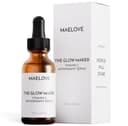
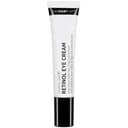
The deciding question is whether they already use a retinoid. If yes, don’t give another one — give the vitamin C serum instead. It works in the morning rather than at night, so it adds to their routine rather than competing with it, and it is the other active in this category with a serious evidence base. If no, and they are curious, the stated 0.5% retinol in squalane is the right first bottle: a printed percentage in a cushioning base, which is close to the gentlest sensible entry point. If no, and their skin is reactive, skip retinoids entirely and give the peptide serum, which is the low-irritation option in this group.
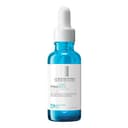
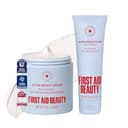
If you want the gift to feel like a gift when it is unwrapped rather than to be technically optimal, the Hyalu B5 serum and the Ultra Repair Cream are the two that read as presents. Both are genuinely good products; both also come in packaging that does the job a gift needs to do.
Why vitamin C is the safest “results” gift
Retinoids get the headlines, but they come with an adjustment period — dryness, flaking, sometimes a few weeks of skin looking worse before better. That is a difficult thing to hand someone in December. A well-formulated vitamin C serum has a much gentler entry: it goes on in the morning under sunscreen, the evidence for its role in the skin is substantial, and the worst realistic outcome is that they don’t notice much. The pick above states 15% L-ascorbic acid on the label, which is the form with the most research behind it and the one most likely to be hidden behind a vague “vitamin C complex” elsewhere. Our L-ascorbic acid vs derivatives page explains why that distinction is worth caring about.
Peptides, honestly
Peptide serums are the polite option: pleasant, extremely unlikely to irritate, and compatible with anything else the recipient is using. They are also the pick where we would set expectations lowest. The published reviews of topical cosmetic peptides are considerably more cautious than the marketing — absorption through intact skin is a genuine limitation and the evidence base is thinner than for retinoids or vitamin C. That does not make it a bad gift; it makes it the right gift for someone whose skin cannot tolerate a retinoid, and the wrong one for someone hoping for a visible change in six weeks. We would rather tell you that now than have the gift under-deliver.
The eye cream question
Eye creams are the most gifted and least understood product in the category, so it is worth being precise. Eyelid skin is the thinnest on the face, which is exactly why a retinoid there needs to be a much lower dose than the one used on cheeks and forehead — and why almost no brand will tell you what dose theirs contains. The pick above is on this list specifically because it publishes a figure, which puts it in a small minority. If the person you are buying for has ever mentioned that eye creams sting, that missing number is the reason. Our retinol eye cream roundup compares six of them on exactly this point.
One caveat on fragrance
Five of the six picks above are fragrance-free per the listing. The exception is the Hyalu B5 serum, which carries fragrance despite being formulated with sensitive skin in mind. If the recipient is specifically reactive to fragrance, choose one of the other five; our sensitive-skin page has the fragrance-free alternatives ranked.
If the budget is bigger
Spending more in this category buys a nicer base, better packaging and a more pleasant experience — it does not reliably buy a higher stated concentration of the active, and quite often buys a lower one that the brand declines to name. So if you want to spend more, our advice is to buy more of the routine rather than a more expensive single bottle: the vitamin C serum for mornings, the retinol for nights, and a rich moisturizer to go over the top is a complete and genuinely thoughtful parcel. If you would rather spend it on one thing, the Ultra Repair Cream is the pick that best justifies a premium — a colloidal-oatmeal and ceramide formula that does something specific for very dry, reactive winter skin.