How to choose actives for oily skin
The aim is to manage oil, not wage war on it. Reach for a humectant-led routine with a couple of well-chosen actives rather than the harshest products you can find. Niacinamide helps regulate how much oil the skin produces and refines the look of enlarged pores over time. A beta hydroxy acid keeps those pores clear because it’s oil-soluble and works inside them. A gentle AHA adds glow and evens tone. And a light, oil-free moisturizer keeps skin hydrated so it has no reason to overcompensate. You don’t need all of these at full strength every day — build up slowly and see how your skin settles.
Why stripping oil backfires
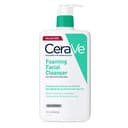
Harsh, high-foam cleansers and astringent toners feel satisfying because skin is squeaky afterwards, but that squeak is the sound of a stripped barrier. When skin is over-cleansed it loses water as well as oil, and a compromised barrier frequently responds by producing more oil, not less. The result is a cycle: strip, rebound, strip harder. Breaking it means switching to a gentle daily cleanser like the CeraVe Foaming Facial Cleanser, which is formulated for normal-to-oily skin — it removes excess oil without leaving skin tight, and it keeps ceramides in the mix so the barrier stays intact.
Oily skin still needs to be moisturized
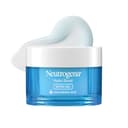
Skipping moisturizer is the most common oily-skin mistake. Dehydrated skin signals for more oil, so a lightweight moisturizer is part of oil control, not the opposite of it. The trick is texture: a gel or oil-free formula such as Neutrogena Hydro Boost Water Gel delivers hyaluronic acid in a weightless finish that hydrates without the heavy, occlusive feel that puts oily skin off moisturizing in the first place. Non-comedogenic, oil-free labels are what to look for here.
Pairing niacinamide with a BHA
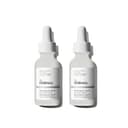
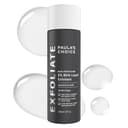
Niacinamide and salicylic acid are a natural combination for oily, breakout-prone skin. The Ordinary Niacinamide 10% + Zinc 1% works on oil production and the look of pores, while a leave-on BHA like Paula’s Choice 2% BHA physically keeps those pores clear of the plugs that turn into blackheads and spots. A common rhythm is niacinamide in the morning and a BHA a few evenings a week, though many people tolerate both in the same routine once their skin is used to each. If your oiliness comes with frequent breakouts, the acne concern guide covers the stronger actives, and the best salicylic acid roundup compares BHA options directly. For a fuller look at niacinamide, see the niacinamide serum roundup and what niacinamide does.
Add gentle exfoliation and daily sunscreen
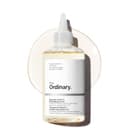
A gentle AHA earns its place for the glow and even tone that oily skin can lack when dead cells build up on a slick surface. The Ordinary Glycolic Acid 7%as an occasional toning step brightens and smooths without the grease. Whatever actives you run, a light, non-comedogenic sunscreen every morning is essential — exfoliating acids raise sun sensitivity, and oily skin has plenty of fluid, gel and matte-finish sunscreen options that won’t feel heavy. Introduce actives one at a time so you can see what your skin is responding to; the layering guide spells out what to keep apart.
Oily, or oily and dehydrated?
Not all shine is the same. Skin that’s genuinely oily is greasy but comfortable. Skin that’s oily anddehydrated is shiny on the surface yet feels tight, looks dull, and can flake in patches — usually because it’s been over-stripped. The distinction changes what you do: truly oily skin can lean harder on regulating actives, while oily-dehydrated skin needs the humectants and the gentler cleanser first to rebuild water content before you push the actives. If you’re not sure which you are, ease off the strong products for a week or two and watch how skin behaves — comfortable shine is oil, tight shine is dehydration.