Actives & Acids

Best Products for Dry Skin & a Damaged Barrier

Hydration you can layer and barrier creams that seal it in — the humectants, ceramides and soothing balms that fix tight, flaky, over-stripped skin.

By Stephen V.Last updated How we pick

Dry skin and a damaged barrier feel similar — tight, flaky, sometimes stinging — but they’re worth telling apart. Genuinely dry skin simply doesn’t make enough oil, so it needs richer, more occlusive products. A damaged barrier is skin that was fine until something stripped it: over-exfoliation, too many actives at once, harsh cleansers, or cold, dry air. The good news is that the fix for both starts in the same place. You rebuild hydration in layers — a humectant to pull in water, an emollient to soften, and an occlusive to seal it all in — and you stop doing whatever wore the barrier down.

The picks below cover each of those layers so you can assemble a routine rather than hope one hero product does everything. There’s a rich ceramide cream for the sealing step, a couple of hydrating serums for the water-binding step, a soothing balm for skin that’s actively irritated, and a lightweight night lotion for when a heavy cream feels like too much. None of it is complicated, and most of it is inexpensive. Below the table you’ll find how to layer these correctly, the damp-skin trick that makes hydration actually work, what to stop doing while your barrier recovers, and when persistent dryness is a condition that needs a dermatologist rather than a new moisturizer.

How this is funded:we earn a commission if you buy through our links, at no extra cost to you. It never changes which product we recommend, and we’ll tell you when we’d skip one. Full disclosure.

Quick picks

Ranked on formulation, stated concentration and buyer fit. Select a row to jump to the full write-up. We have not tested these products — here is exactly what we do instead.

#ProductBest forPrice
1
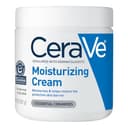
CeraVe Moisturizing Cream

CeraVe Moisturizing Cream

The go-to dry-skin cream and tough to beat on value — three ceramides and hyaluronic acid in a big, low-cost tub. Rich enough for very dry skin and fragrance-free enough for most sensitive skin.

Best overall barrier cream
$18.96 · View on Amazon

$20.497% off

Price as of August 31, 2026. #ad How we’re funded

2
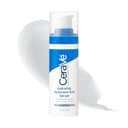
CeraVe Hyaluronic Acid Serum (B5 + Ceramides)

CeraVe Hyaluronic Acid Serum (B5 + Ceramides)

The most well-rounded hyaluronic acid serum here precisely because it's more than HA — ceramides and vitamin B5 let it hydrate while helping the barrier keep that water locked in. No fragrance.

Best hydrating serum
$17.28 · View on Amazon

$22.9925% off

Price as of August 31, 2026. #ad How we’re funded

3
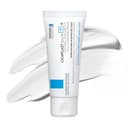
La Roche-Posay Cicaplast Balm B5

La Roche-Posay Cicaplast Balm B5

A calming repair balm worth keeping around for the flaky, over-exfoliated, retinol-burned patch. Panthenol and madecassoside soothe and shield while a battered barrier heals.

Best for a compromised barrier
$18.99 · View on Amazon

Price as of August 31, 2026. #ad How we’re funded

4
La Roche-Posay Hyalu B5 Hyaluronic Acid Serum

La Roche-Posay Hyalu B5 Hyaluronic Acid Serum

The luxe choice — two hyaluronic acid weights joined by vitamin B5 and madecassoside, a calming centella extract. This is the one to buy when comfort and finish count as much as the HA.

Best premium HA serum
$39.99 · View on Amazon

Price as of August 31, 2026. #ad How we’re funded

5
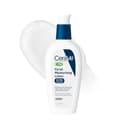
CeraVe PM Facial Moisturizing Lotion

CeraVe PM Facial Moisturizing Lotion

A featherweight night lotion with ceramides and niacinamide — light enough that oily and breakout-prone skin will genuinely keep it on, which is why it turns up in so many routines.

Best lightweight night lotion
$14.97 · View on Amazon

$19.9925% off

Price as of August 31, 2026. #ad How we’re funded

The picks in full

#1Best overall barrier cream

CeraVe Moisturizing Cream

The go-to dry-skin cream and tough to beat on value — three ceramides and hyaluronic acid in a big, low-cost tub. Rich enough for very dry skin and fragrance-free enough for most sensitive skin.

Strengths

  • Three essential ceramides and hyaluronic acid in a barrier-repairing base
  • A huge amount of product for the money
  • No added fragrance

Trade-offs

  • The tub is less sanitary than a pump, so dip in with clean hands
  • Too rich for oily skin in the summer months
Key activeCeramides + hyaluronic acid
Stated concentrationNot published
FormatRich cream
Fragrance-freeYes
Best forDry, Normal, Sensitive

Formulation note. Ceramides 1, 3 and 6-II with hyaluronic acid, released slowly via MVE technology. A true barrier-repair formula at a bargain-bin price.

Ingredients and claims read from the product listing, on July 18, 2026. “Not published” means the brand does not state that figure.

#2Best hydrating serum

CeraVe Hyaluronic Acid Serum (B5 + Ceramides)

The most well-rounded hyaluronic acid serum here precisely because it's more than HA — ceramides and vitamin B5 let it hydrate while helping the barrier keep that water locked in. No fragrance.

Strengths

  • Ceramides and vitamin B5 riding along with the hyaluronic acid
  • Fragrance-free and never tacky
  • Sits well under any moisturizer

Trade-offs

  • A bit dearer than the plain-HA budget option
  • It uses several HA weights but doesn't publish the exact percentages
Key activeHyaluronic acid + ceramides
Stated concentrationNot published
FormatLight gel-serum
Fragrance-freeYes
Best forDry, Normal, Sensitive

Formulation note. Hyaluronic acid with three essential ceramides and vitamin B5. HA pulls water in while the ceramides slow its escape — which is why HA performs better paired with them than on its own.

Ingredients and claims read from the product listing, on July 18, 2026. “Not published” means the brand does not state that figure.

#3Best for a compromised barrier

La Roche-Posay Cicaplast Balm B5

A calming repair balm worth keeping around for the flaky, over-exfoliated, retinol-burned patch. Panthenol and madecassoside soothe and shield while a battered barrier heals.

Strengths

  • Panthenol (B5), madecassoside and shea to soothe and shield
  • A solid rescue after overdoing retinol or acids
  • Doubles up on lips, hands and dry patches as well

Trade-offs

  • As a sealing balm it's too heavy to use all over on oily skin
  • It's a rescue product rather than a daily active
Key activePanthenol (B5) + madecassoside
Stated concentrationNot published
FormatRich balm
Fragrance-freeYes
Best forIrritated, Compromised barrier, All

Formulation note. Panthenol, madecassoside and shea butter in a sealing balm. Made to protect and calm irritated skin — the one to grab when an active has pushed the barrier past its limit.

Ingredients and claims read from the product listing, on July 18, 2026. “Not published” means the brand does not state that figure.

#4Best premium HA serum

La Roche-Posay Hyalu B5 Hyaluronic Acid Serum

The luxe choice — two hyaluronic acid weights joined by vitamin B5 and madecassoside, a calming centella extract. This is the one to buy when comfort and finish count as much as the HA.

Strengths

  • Two HA weights with vitamin B5 and soothing madecassoside
  • A cushioned, polished texture
  • Made with sensitive skin in mind

Trade-offs

  • Several times what budget HA serums cost
  • It's the added ingredients, not the HA, that account for the price
Key activeHyaluronic acid + madecassoside
Stated concentrationNot published
FormatCushiony serum
Fragrance-freeNo
Best forDry, Sensitive, Mature

Formulation note. Hyaluronic acid in two weights with vitamin B5 and madecassoside. The calming centella derivative is what sets it apart, since the HA content itself is nothing exceptional.

Ingredients and claims read from the product listing, on July 18, 2026. “Not published” means the brand does not state that figure.

#5Best lightweight night lotion

CeraVe PM Facial Moisturizing Lotion

A featherweight night lotion with ceramides and niacinamide — light enough that oily and breakout-prone skin will genuinely keep it on, which is why it turns up in so many routines.

Strengths

  • Ceramides and niacinamide in an almost weightless lotion
  • Fragrance-free and non-comedogenic
  • Sits well on top of actives such as retinol or BHA

Trade-offs

  • Too thin for very dry skin come winter
  • The pump can sputter unevenly as the bottle runs low
Key activeCeramides + niacinamide
Stated concentrationNot published
FormatLight lotion
Fragrance-freeYes
Best forOily, Combination, Acne-prone

Formulation note. Ceramides, niacinamide and hyaluronic acid in a lightweight lotion. The light feel is the entire point — it's the moisturizer oily skin actually won't skip.

Ingredients and claims read from the product listing, on July 18, 2026. “Not published” means the brand does not state that figure.

How to choose products for dry skin

Effective moisturizing isn’t one product — it’s three kinds of ingredient working together. Humectants like hyaluronic acid and glycerin draw water into the upper layers of skin. Emollients soften and smooth the rough, flaky surface. Occlusivesand barrier lipids such as ceramides sit on top and slow the water escaping. Dry skin usually needs all three; a damaged barrier especially needs the ceramide and occlusive part, because the lipids that normally hold everything together have been depleted. When you’re reading a label, that’s the mix to look for rather than any single miracle ingredient.

Layer humectant, then emollient, then occlusive

In practice that means applying the thinnest, most water-based product first and the richest last. A hydrating serum such as the CeraVe Hyaluronic Acid Serum or the more premium La Roche-Posay Hyalu B5 goes on first to deliver the humectant. Then you seal it with a ceramide-rich cream like CeraVe Moisturizing Cream, which supplies both the emollient and the occlusive step in one pot. If your skin feels overwhelmed by a heavy cream at night, the lighter CeraVe PM lotion still contains ceramides and niacinamide in a texture that absorbs faster. The ceramide moisturizer and hyaluronic acid serum roundups compare the options within each of those layers.

The damp-skin rule

When and how you apply matters as much as what you apply. Humectants pull water from wherever it’s available, so applying a hyaluronic acid serum to bone-dry skin in a dry room can actually draw moisture out of deeper layers. Apply serums and creams to skin that’s still slightly damp from cleansing, within a minute or two, and lock them in with your occlusive step. That single habit does more for dryness than upgrading to a more expensive product does.

What strips the barrier — and what to pause

If your skin got dry rather than always being dry, something is stripping it. The usual culprits are over-exfoliation, running too many actives at once (a retinoid plus an acid plus a vitamin C, say), foaming cleansers that leave skin squeaky and tight, and very hot water. While you rebuild, pause the actives. Stop the exfoliating acids and retinoids for a couple of weeks, switch to a gentle non-foaming cleanser, and let a soothing balm do the repair. The La Roche-Posay Cicaplast Balm B5, with panthenol, is made for exactly this — a compromised, angry barrier that needs calming before it can tolerate anything active again. Once skin is comfortable, reintroduce actives one at a time; our layering guide shows how to do that without tipping straight back into irritation.

When dryness is a condition, not a routine problem

Sometimes better moisturizing isn’t enough. Persistent, itchy, cracked or inflamed patches — especially in the folds of the elbows and knees, or that keep returning in the same spot — can be eczema or another skin condition rather than ordinary dryness. If good barrier care over several weeks doesn’t settle it, or the skin is broken, weeping or intensely itchy, see a dermatologist. The right diagnosis unlocks treatments that a moisturizer alone can’t provide, and it stops you cycling through products that were never going to fix the real cause. If sensitivity is the bigger theme, the sensitive-skin guide pairs well with this one.
Frequently asked questions

In what order do I apply products for dry skin?

Thinnest to thickest. Cleanse, then apply a water-based hydrating serum such as a hyaluronic acid serum while skin is still slightly damp, then seal it with a richer ceramide cream. The serum supplies the water, the cream keeps it from evaporating. In the morning, finish with sunscreen.

Why does hyaluronic acid sometimes make my skin feel drier?

Hyaluronic acid is a humectant, so it pulls in water from wherever it can. In a dry environment or on bone-dry skin it can draw moisture from deeper layers instead of the air. Apply it to slightly damp skin and always seal it with a moisturizer on top so the water it attracts stays put.

Should I stop using actives if my skin is dry and irritated?

If your skin became dry after adding actives, yes — pause them. Over-exfoliation and stacking a retinoid, an acid and a vitamin C are common causes of a stripped barrier. Give it a couple of weeks with just a gentle cleanser, a soothing balm and a barrier cream, then reintroduce actives one at a time.

When is dry skin actually something a dermatologist should see?

When good barrier care over several weeks does not settle it, or when skin is itchy, cracked, weeping or keeps flaring in the same spot. Persistent patches like that can be eczema rather than ordinary dryness, and a proper diagnosis unlocks treatments a moisturizer alone cannot provide.

Sources

Keep reading